
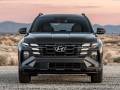
The 2025 Hyundai Tucson is here, and it’s making waves in the compact SUV segment with a refreshed design, improved technology, and more efficient powertrains. Hyundai has taken what was already one of the most popular SUVs on the market and made it even better for 2025. Whether you’re looking for fuel efficiency, a stylish ride, or advanced safety features, the new Tucson aims to tick all the right boxes.
In this in-depth guide, we’ll cover everything you need to know about the 2025 Hyundai Tucson—from trims and performance to safety, pricing, and how it stacks up against rivals like the Honda CR-V and Toyota RAV4.


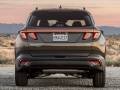


Introduction to the 2025 Hyundai Tucson
Since its debut, the Hyundai Tucson has been a favorite among drivers who want a compact SUV that blends style, comfort, and practicality. The 2025 model year continues this legacy, but with several key updates.
Hyundai has focused on modern design tweaks, improved hybrid efficiency, and smarter in-cabin technology. The result is a vehicle that competes not just on affordability but also on innovation and sustainability.
What’s New in the 2025 Hyundai Tucson?
Hyundai hasn’t done a complete overhaul, but the 2025 Tucson brings noticeable upgrades in three key areas:
Updated Exterior Design
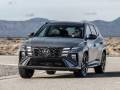
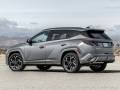
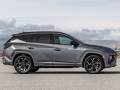
The new Tucson features sharper headlights, a bolder grille, and sleeker lines, giving it a more aggressive road presence. Hyundai’s “parametric dynamics” design language remains, but with refinements that make the SUV look more upscale.
Interior Comfort and Cabin Upgrades
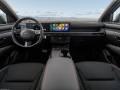
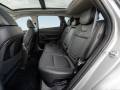
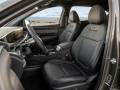
Inside, the cabin has been updated with premium materials, larger screens, and improved ergonomics. Soft-touch surfaces and ambient lighting create a more premium feel, especially in higher trims.
Technology and Infotainment Enhancements
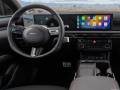
Hyundai has upgraded the infotainment system to a larger, more responsive touchscreen with wireless Apple CarPlay and Android Auto. The digital instrument cluster is also more customizable, giving drivers a futuristic experience.
2025 Hyundai Tucson Trim Levels
Hyundai offers the Tucson in several trims to fit different budgets and preferences.
SE and SEL Trims
The entry-level SE trim is perfect for budget-conscious buyers, offering essential features like an 8-inch touchscreen and advanced safety tech. The SEL adds more comfort with heated front seats and additional driver aids.
N Line Trim
For sportier styling, the N Line trim brings unique exterior accents, sport seats, and paddle shifters. It’s aimed at drivers who want a more dynamic look without going full performance.
Limited Trim
At the top, the Limited trim offers luxury touches like leather upholstery, a panoramic sunroof, and advanced driver-assistance features.
Performance and Engine Options
Hyundai gives buyers flexibility with multiple powertrain options.
Standard Gasoline Engine
The base engine is a 2.5-liter 4-cylinder producing around 187 horsepower, paired with an 8-speed automatic transmission. It’s smooth and capable for daily driving.
Hybrid Powertrain
The hybrid version combines a 1.6-liter turbocharged engine with an electric motor, delivering better fuel economy and stronger acceleration.
Plug-in Hybrid Version
The plug-in hybrid Tucson (PHEV) offers an all-electric range of about 30 miles, making it a smart choice for commuters who want to cut fuel costs.
Fuel Efficiency and MPG Ratings
Fuel efficiency is a big selling point for the 2025 Tucson:
- Standard gas engine: ~26 mpg city / 33 mpg highway
- Hybrid model: ~38 mpg combined
- Plug-in hybrid: ~35 mpg combined + 30 miles electric range
This puts it ahead of several competitors in its class.
Safety Features and Driver Assistance Systems
Hyundai has made safety a top priority for the 2025 Tucson. Every trim level comes standard with Hyundai SmartSense, the brand’s suite of driver-assist technologies.
Key features include:
- Forward Collision-Avoidance Assist (FCA): Helps detect vehicles and pedestrians, automatically applying brakes if a collision seems likely.
- Lane Keeping Assist (LKA): Gently steers the vehicle back into its lane if it drifts without signaling.
- Blind-Spot Collision Warning (BCW): Monitors adjacent lanes and alerts the driver of vehicles in blind spots.
- Smart Cruise Control (SCC): Maintains a set distance from the car ahead, adjusting speed automatically.
- Rear Cross-Traffic Collision-Avoidance Assist: Warns and applies brakes if a vehicle is detected when reversing.
In higher trims, drivers get access to Highway Driving Assist (HDA), which blends adaptive cruise control with lane-centering tech for semi-autonomous highway driving.
Infotainment and Connectivity Options
Tech-savvy buyers will appreciate the upgraded infotainment system in the 2025 Tucson.
- Base models include an 8-inch touchscreen with wireless Apple CarPlay and Android Auto.
- Higher trims feature a 12.3-inch touchscreen with faster response times, improved graphics, and over-the-air updates.
- Multiple USB-C ports, wireless charging, and a premium Bose sound system make road trips more enjoyable.
Hyundai has also improved voice recognition, allowing drivers to control climate settings, navigation, and media using natural commands.
Interior Space, Cargo, and Practicality
One of the Tucson’s strongest selling points is its spacious interior.
- Passenger comfort: The rear seats recline and offer generous legroom, making long drives comfortable.
- Cargo capacity: With rear seats up, the Tucson offers 38.7 cubic feet of space, expanding to over 74 cubic feet with the seats folded.
- Smart features: A hands-free power liftgate and hidden storage compartments add convenience for families.
Hyundai has carefully balanced style with practicality, ensuring the Tucson is as useful for daily errands as it is for weekend adventures.
Driving Experience and Ride Quality
The 2025 Hyundai Tucson delivers a smooth, refined ride. The suspension absorbs bumps with ease, and steering feels light yet precise, making it easy to maneuver in tight city streets.
- Gasoline engine models are adequate for everyday driving, though acceleration isn’t sporty.
- Hybrid and plug-in hybrid versions provide quicker responses, thanks to electric motor assistance.
- Noise insulation has been improved, reducing road and wind noise at highway speeds.
Overall, the Tucson strikes a balance between comfort and capability, with a ride quality that rivals some luxury SUVs.
2025 Hyundai Tucson vs. Competitors
The compact SUV market is crowded, so how does the Tucson stack up against its toughest rivals?
Hyundai Tucson vs. Honda CR-V
- CR-V offers slightly more cargo space.
- Tucson has better infotainment tech and a bolder design.
- Hybrid options are more fuel-efficient in the Tucson.
Hyundai Tucson vs. Toyota RAV4
- RAV4 is known for reliability, but Tucson provides a more upscale cabin.
- Tucson’s plug-in hybrid has a longer EV range compared to RAV4 Prime.
Hyundai Tucson vs. Kia Sportage
- The Sportage shares its platform with the Tucson but leans sportier in styling.
- Tucson edges ahead with more luxurious interior options.
Pricing and Value for Money
Hyundai has kept the 2025 Tucson competitively priced.
Base Price and Trim Comparisons
- SE: Starting around $28,000
- SEL: From $30,500
- N Line: From $34,000
- Limited: From $38,500
- Hybrid and PHEV versions: From $34,000–$42,000 depending on trim
Long-Term Ownership Costs
Hyundai offers one of the best warranties in the business:
- 5-year/60,000-mile basic warranty
- 10-year/100,000-mile powertrain warranty
- Complimentary maintenance for 3 years/36,000 miles
This makes the Tucson a value-packed SUV with lower ownership costs compared to many rivals.
Pros and Cons of the 2025 Hyundai Tucson
Pros:
- Attractive exterior and modern interior
- Multiple powertrain choices, including hybrid and PHEV
- Excellent warranty coverage
- Advanced safety tech standard across all trims
- Spacious cargo and passenger room
Cons:
- Base engine isn’t very powerful
- Higher trims can get pricey
- Infotainment system may take time to get used to
Release Date and Availability
The 2025 Hyundai Tucson is expected to arrive in U.S. dealerships in late 2024, with global rollouts continuing through early 2025. Pre-orders are already open in select markets.
Expert Opinions and Early Reviews
Automotive experts are already praising the 2025 Tucson for its balance of style, efficiency, and value.
- Car and Driver highlights its upscale cabin and hybrid efficiency.
- MotorTrend praises Hyundai’s safety-first approach and intuitive tech.
- Early customer reviews note the quiet ride and premium feel for the price point.
Is the 2025 Hyundai Tucson Worth Buying?
If you’re shopping for a compact SUV in 2025, the Tucson should definitely be on your shortlist. It offers:
- Excellent fuel efficiency with hybrid options
- Cutting-edge technology for the price
- Best-in-class warranty coverage
- A versatile balance of style and practicality
Whether you’re a family needing space or a commuter seeking fuel savings, the Tucson delivers strong value across the board.
Frequently Asked Questions (FAQs)
Q1: What engine options are available in the 2025 Hyundai Tucson?
A: You can choose from a 2.5L gas engine, a hybrid version, or a plug-in hybrid model.
Q2: How fuel-efficient is the 2025 Tucson?
A: The gas version gets around 26/33 mpg, the hybrid offers about 38 mpg combined, and the plug-in hybrid delivers 30 miles of all-electric range.
Q3: Does the 2025 Tucson support Apple CarPlay and Android Auto?
A: Yes, wireless Apple CarPlay and Android Auto are standard across trims.
Q4: What is the price of the 2025 Hyundai Tucson?
A: Prices start at around $28,000 for the SE trim and go up to about $42,000 for higher trims and PHEV models.
Q5: Is the Hyundai Tucson a reliable SUV?
A: Yes, backed by Hyundai’s industry-leading warranty and strong reliability record, the Tucson is a dependable choice.
Q6: When will the 2025 Tucson be available for purchase?
A: It’s expected to hit dealerships by late 2024, with full availability in early 2025.
Conclusion
The 2025 Hyundai Tucson is more than just an upgrade—it’s a bold step forward in the compact SUV segment. With refreshed styling, advanced tech, efficient hybrid options, and unbeatable warranty coverage, it stands out as one of the best choices in its class.
For buyers who want a versatile SUV that balances value, comfort, and innovation, the 2025 Tucson is a winner.
Learn more directly from Hyundai’s official site: Hyundai USA – Tucson