
The automotive industry is experiencing a massive transformation, and one of the latest models to embody this shift is the 2026 Nissan Micra EV. Once known as a budget-friendly city car powered by small petrol engines, the Micra has now evolved into a fully electric hatchback, bringing advanced technology, modern styling, and sustainable mobility to urban drivers.
With the global push toward electrification, Nissan has taken a bold step by revamping the beloved Micra into an affordable EV designed for city living. Built on the same platform as the Renault 5 E-Tech, this compact hatchback is set to offer two battery options, modern features, and competitive pricing, making it a strong contender in the growing electric small-car segment.
But what makes the 2026 Nissan Micra EV stand out from the competition? Let’s explore its history, design, specs, and why it might just become the go-to electric city car of the future.





Evolution of the Nissan Micra: From Petrol to Electric
A Brief History of the Micra Nameplate
Since its debut in the early 1980s, the Nissan Micra has been a familiar name in cities worldwide. Known for its compact size, fuel efficiency, and affordability, the Micra has always catered to budget-conscious drivers who needed a practical urban car.
Over the decades, the Micra has evolved through multiple generations, shifting from quirky boxy shapes in the ‘80s to more modern hatchback styling in recent years. It built a reputation for reliability and ease of ownership, especially in markets like Europe, Asia, and the Middle East.
Why Nissan Transitioned to Electric Power
As emissions regulations tightened and cities began to restrict combustion-engine vehicles, Nissan decided it was time to electrify the Micra brand. Leveraging its success with the Nissan LEAF—the world’s first mass-market EV—Nissan applied its EV expertise to create a smaller, more affordable electric model.
By basing the Micra EV on the Renault-Nissan AmpR Small platform (CMF-B EV), Nissan could cut development costs while still delivering cutting-edge EV technology. This move ensures that the Micra remains relevant in the electric era, offering an entry point for buyers seeking their first EV.
Platform and Engineering
Renault-Nissan AmpR Small (CMF-B EV) Architecture
The 2026 Micra EV is built on the AmpR Small architecture, also known as the CMF-B EV platform. This dedicated EV platform is shared across the Renault-Nissan-Mitsubishi alliance and is specifically designed for small electric hatchbacks.
The benefits of this platform include:
- Efficient battery packaging that allows a low floor and maximizes cabin space.
- Weight optimization to balance performance with affordability.
- Scalability, enabling multiple models (like the Renault 5 E-Tech) to share components and reduce production costs.
Shared DNA with the Renault 5 E-Tech
Since the Micra shares its base with the Renault 5 E-Tech, the two cars have similar dimensions, range figures, and even technology. However, Nissan has worked hard to ensure the Micra retains a unique identity, with distinct styling, interior design, and trim options.
This partnership allows Nissan to offer the Micra EV at a competitive price, while still benefiting from Renault’s battery and motor technology.
Exterior Design and Styling
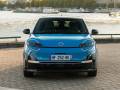
Retro-Modern Aesthetic with “Bug-Eye” Headlights
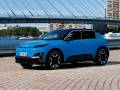
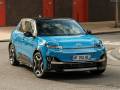
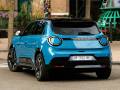
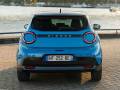
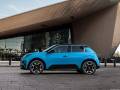
One of the most striking features of the 2026 Micra EV is its round LED headlights, a playful nod to earlier generations of the Micra. Combined with a sleek front fascia, smooth lines, and a compact hatchback profile, the car blends retro charm with modern flair.
Aerodynamics and Compact Proportions
Measuring under 4.0 meters in length and 1.8 meters in width, the Micra EV is designed to be maneuverable in city traffic. The short overhangs, hidden rear door handles, and sculpted sides improve aerodynamics, boosting both efficiency and style.
Color Options and Personalization Features
Like many modern city cars, the Micra EV is expected to come with a wide range of vibrant color options and personalization packages. Two-tone paint, customizable interior accents, and stylish alloy wheels will appeal to younger buyers looking for an affordable yet fashionable EV.
Interior Comfort and Technology
Dual 10.1-Inch Digital Displays
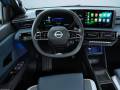
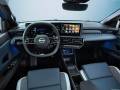
Step inside the 2026 Micra EV, and you’ll be greeted by a futuristic yet practical cabin. The highlight is a pair of 10.1-inch digital screens—one serving as the driver’s instrument cluster, the other as the infotainment display. Unlike many competitors that use a single screen for everything, Nissan has smartly angled both displays toward the driver, ensuring excellent visibility and ergonomics.
Infotainment and Connectivity
Connectivity is at the heart of the Micra EV. It supports:
- Google Built-in Services: Maps, Assistant, and Play Store integration.
- Apple CarPlay & Android Auto: Seamless smartphone connectivity.
- Over-the-Air Updates: Software and feature updates delivered remotely.
Physical climate controls remain below the central display—something many drivers will appreciate compared to rivals that bury everything in touchscreens. Ambient lighting with multiple color choices adds to the modern, cozy atmosphere inside.
Seating Space, Comfort, and Cargo Practicality
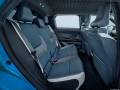
Despite being a compact hatchback, Nissan has designed the cabin to be spacious and versatile. The flat EV floor means rear passengers enjoy more legroom than in older Micra generations. Seats are ergonomically shaped, with higher trims offering premium fabric or vegan leather upholstery.
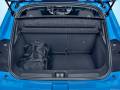
Cargo space is practical for daily use. While the exact boot capacity has not been disclosed, expectations are around 300 liters, expandable with rear seats folded. For city dwellers, this makes it more than capable of handling groceries, luggage, or small furniture hauls.
Powertrain and Performance
Standard 40 kWh Variant (120 hp, 310 km Range)
The entry-level Micra EV comes with a 40 kWh battery powering a 90 kW motor (around 120 hp). Torque sits at roughly 225 Nm, enough to deliver smooth acceleration for city driving.
- Range: Up to 310 km (WLTP).
- 0–100 km/h: Around 9.0 seconds.
- Best Suited For: Urban commuters and short-distance drivers.
Extended 52 kWh Variant (150 hp, 408 km Range)
For those seeking more power and range, the 52 kWh model is the better choice. It offers a 110 kW motor (about 150 hp) and 245 Nm of torque, making it more spirited on highways.
- Range: Up to 408 km (WLTP).
- 0–100 km/h: Approximately 8.0 seconds.
- Best Suited For: Drivers needing versatility for city and occasional long trips.
Driving Modes and Regenerative Braking
Nissan brings its e-Pedal technology to the Micra EV, allowing drivers to control acceleration and braking with a single pedal. Adjustable regenerative braking—via a paddle behind the steering wheel—lets drivers fine-tune how much the car slows when lifting off the accelerator.
This system not only enhances efficiency but also makes urban driving effortless and intuitive.
Charging and Battery Technology
AC and DC Fast-Charging Speeds
Charging is a critical factor for EV adoption, and Nissan has ensured the Micra EV offers flexible charging solutions:
- 40 kWh variant: Up to 80 kW DC fast charging.
- 52 kWh variant: Up to 100 kW DC fast charging.
Both versions also support 11 kW AC charging for home wallboxes or workplace chargers.
Charging Times and Home Charging Solutions
- DC Fast Charging: 20–80% in about 30 minutes (52 kWh) or 26 minutes (40 kWh).
- AC Charging (11 kW): Full charge in around 5–6 hours.
- Household Plug (2.3 kW): Overnight charging in 20+ hours, making a wallbox a recommended upgrade.
Vehicle-to-Load (V2L) Capability
The Micra EV includes Vehicle-to-Load technology, enabling owners to power external devices like laptops, camping equipment, or even household appliances. For outdoor enthusiasts or during power outages, this feature turns the Micra into a mobile energy source.
Dimensions, Weight, and Practicality
Exterior Dimensions Compared to Rivals
- Length: ~3.99 m (shorter than a Peugeot e-208, similar to Renault 5).
- Width: 1.80 m.
- Wheelbase: 2.54 m.
This compact footprint makes the Micra EV ideal for urban streets, tight parking spaces, and congested city centers.
Cargo Capacity and Passenger Space
Despite its compact size, the flat EV floor maximizes passenger space. Rear legroom is improved compared to the outgoing petrol Micra, and boot space is practical for daily use. Foldable rear seats increase versatility, though exact liters will vary depending on battery size.
Suspension Setup and Ride Comfort
The Micra EV features MacPherson struts at the front and a multi-link suspension at the rear—a rare setup in this class. This ensures a comfortable ride without sacrificing agility, making it fun to drive in cities while still composed on highways.
Safety Features and Driver Assistance
ProPILOT Semi-Autonomous Driving
One of the biggest upgrades is Nissan’s ProPILOT Assist, a semi-autonomous system offering:
- Adaptive cruise control.
- Lane centering.
- Stop-and-go traffic handling.
For an affordable EV, this level of automation is a huge selling point.
Standard Safety Systems
Expect a robust safety package including:
- Automatic Emergency Braking (AEB).
- Blind-Spot Monitoring.
- Rear Cross-Traffic Alert.
- Lane Departure Warning.
Crash Test Expectations
Though official Euro NCAP crash ratings are pending, Nissan aims for a 5-star safety score, leveraging strong crash structures and advanced airbag systems.
Market Positioning and Competition
Competitors: Renault 5, Peugeot e-208, Fiat 500e
The Micra EV enters a competitive small EV segment, facing:
- Renault 5 E-Tech: Its sibling, sharing the same platform.
- Peugeot e-208: Stylish, slightly more premium.
- Fiat 500e: Quirky, retro design, but with less range.
Advantages of the Micra EV
- Affordable entry-level pricing.
- Spacious cabin for its class.
- Nissan’s proven EV expertise (from the LEAF).
Challenges in the EV Hatchback Market
- Charging speed lags behind premium rivals.
- WLTP range may fall short in real-world driving.
- Heavy reliance on European demand—global rollout remains uncertain.
Expected Price and Trim Levels
European Pricing Forecasts
Pricing is expected to start below €25,000 for the 40 kWh version and go up to around €30,000 for the 52 kWh variant. This places the Micra EV in direct competition with budget-friendly EVs like the Citroën ë-C3.
Possible Trims and Features by Grade
- Base Trim: Essential EV features, smaller battery.
- Mid Trim: Larger infotainment, more driver aids.
- High Trim: ProPILOT, advanced infotainment, extended battery.
Affordability and Incentives
With EU government incentives, prices could drop by €5,000–7,000, making the Micra EV a very attractive first EV for many buyers.
Availability and Global Launch Timeline
Release Date in Europe
The Micra EV is set to launch in late 2025, with first deliveries in early 2026.
Potential Arrival in Other Markets
Currently, Nissan has not confirmed launches outside Europe. However, given demand in Asia, the Middle East, and South America, an eventual rollout is possible.
Import and Taxation Challenges
Outside the EU, pricing will depend on import tariffs, shipping, and local incentives. For example, markets like Algeria may see higher costs due to taxes, unless locally assembled versions are introduced.
Environmental Impact and Sustainability
Battery Recycling and Green Production
Nissan emphasizes sustainability, using recyclable materials in both the interior and battery design. The company has also partnered with recycling firms to ensure responsible battery disposal and reuse.
How the Micra EV Fits Into Nissan’s Sustainability Roadmap
The Micra EV supports Nissan’s Ambition 2030 plan, which aims for 50% electrified sales in Europe by 2030. By offering an affordable EV, Nissan is democratizing access to clean mobility.
Pros and Cons of the 2026 Nissan Micra EV
Strengths
- Affordable entry point to EV ownership.
- Stylish, retro-modern design.
- Spacious interior with advanced tech.
- Strong safety and driver assistance features.
Weaknesses
- Charging speeds (80–100 kW) lag behind rivals.
- Limited global availability at launch.
- Real-world range likely lower than WLTP figures.
Frequently Asked Questions (FAQs)
Q1: What is the range of the 2026 Nissan Micra EV?
The Micra EV offers up to 310 km (40 kWh) or 408 km (52 kWh) under WLTP testing.
Q2: How fast can it charge?
It supports up to 100 kW DC fast charging, enabling a 20–80% charge in under 30 minutes.
Q3: Will the Micra EV be available outside Europe?
Initially, it will launch in Europe in early 2026, with potential expansion to other markets later.
Q4: How much will the 2026 Micra EV cost?
Prices are expected to start under €25,000, making it one of the most affordable EVs in its class.
Q5: Is the Micra EV suitable for long trips?
Yes, especially the 52 kWh variant, which can handle occasional highway travel thanks to its ~408 km range.
Q6: Does it include autonomous driving features?
Yes, higher trims come with ProPILOT Assist, offering semi-autonomous driving on highways.
Conclusion: Is the 2026 Micra EV Worth It?
The 2026 Nissan Micra EV represents a bold new chapter for a familiar name. Once a humble petrol city car, it has now transformed into a stylish, affordable, and practical electric hatchback.
For city drivers seeking an entry-level EV that doesn’t compromise on technology, safety, or style, the Micra EV is one of the most exciting new options. While it faces competition from Renault, Peugeot, and Fiat, its blend of affordability, range, and Nissan’s EV expertise could make it a top choice in the segment.
If Nissan can deliver on pricing and expand availability beyond Europe, the Micra EV could become the global small EV many have been waiting for.
Nissan Global – Ambition 2030 Roadmap