

The 2025 BMW M1000RR is a track-ready beast wrapped in street-legal skin. Designed by BMW Motorrad to push boundaries, the M1000RR continues to redefine the superbike segment. Whether you’re an amateur track-day warrior or a superbike enthusiast like 650ib, this machine blends raw power with German precision. Let’s explore how this next-gen superbike compares to its rivals, what’s new for 2025, and why it’s making headlines for its horsepower and high-tech performance.
What’s New in the 2025 BMW M1000RR?
Overview of BMW Motorrad’s M-Series Evolution
The M1000RR made its debut as the first M-series motorcycle, inspired by BMW’s motorsport division. With each iteration, BMW has pushed the envelope in aerodynamics, electronics, and performance.
Key Design Enhancements for 2025
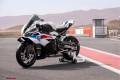
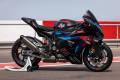
The 2025 model gets a revised fairing, aggressive winglets, and improved airflow management. Carbon fiber parts have increased to shave off extra weight, while maintaining structural strength.
Electronics & Aerodynamic Innovations
The updated electronics suite includes faster processors for traction control and improved connectivity via the BMW Motorrad Connected App. Aerodynamically, this bike now has more downforce at high speeds without sacrificing top-end performance.





BMW M1000RR Horsepower & Engine Specs
Engine Displacement and Power Output (HP)
At the heart of the 2025 BMW M1000RR lies a 999cc inline-four engine, pushing a jaw-dropping 212 horsepower (hp) at 14,500 rpm. This increase over the previous model reflects upgraded titanium internals and refined combustion efficiency.
Torque, Top Speed & Performance Numbers
It generates 113 Nm of torque, allowing it to rocket from 0-100 km/h in under 3.1 seconds, with a top speed over 314 km/h (195+ mph). These figures place it in league with race-spec machines.
Comparison with 2024 Model and Other Superbikes
Compared to the 2024 version, the 2025 M1000RR benefits from lighter engine components and a re-tuned ECU. Against rivals like the Ducati Panigale V4R, Yamaha R1M, and Aprilia RSV4 Factory, the BMW shines with a more usable powerband and advanced rider aids.
Chassis, Suspension & Handling Dynamics
Lightweight Carbon Frame and Swingarm
BMW continues its tradition of lightweight engineering by employing carbon fiber in the frame and rear swingarm, which improves cornering response and reduces unsprung mass.
Suspension Setup: Track vs Street Tuning
The semi-active suspension (Dynamic Damping Control – DDC) automatically adjusts to terrain and riding style, making it agile on track and composed on bumpy roads.
Braking System and M Carbon Wheels
With Brembo M Brakes and M Carbon wheels, the M1000RR offers superb stopping power with reduced rotational mass, boosting acceleration and deceleration alike.
BMW M1000RR 2025 vs 650ib’s Build
650ib’s Custom Modifications & Performance Gains
YouTuber 650ib is known for modifying his M1000RR with aftermarket exhausts, ECU flashes, and aerodynamic tweaks. His 2025 M1000RR includes Sprint filters, full titanium Akrapovič systems, and custom tuning, resulting in over 220 hp at the rear wheel.
Rider Experience and Feedback
650ib praises the refined ride feel, especially under hard acceleration. He noted improved mid-range torque and smoother corner exits thanks to custom suspension tuning.
Electronic Rider Aids & Riding Modes
Dynamic Traction Control (DTC)
The 2025 model features a lean-sensitive DTC system that adapts in real-time, ensuring maximum grip without sacrificing speed.
Wheelie Control, Launch Control & Slide Assist
With programmable launch control, wheelie control, and slide control, riders can push limits safely. These features mirror MotoGP-level tech, now available to everyday riders.
GPS Lap Timer, Track Analytics, and Data Logging
Integrated GPS and ride analytics allow you to record lap times, analyze braking zones, and evaluate throttle control—all via your smartphone.
Aerodynamics & Wind Tunnel Engineering
Carbon Winglets and Downforce Optimization
BMW’s engineers used F1-style wind tunnel testing to develop larger carbon winglets that generate up to 16.3 kg of downforce at top speeds, keeping the front wheel planted.
Effect on Stability at High Speeds
This downforce translates into better cornering stability, reduced wheelies, and more predictable handling in extreme conditions.
Comfort, Ergonomics & Ride Position
Seat Design and Rider Triangle Updates
While the 2025 M1000RR is focused on track ergonomics, BMW added padding and adjusted the rider triangle slightly for better long-distance comfort.
Road vs Track Usability
This is still a bike built for speed, but its riding modes and smoother throttle mapping make it surprisingly docile in urban environments.
BMW M1000RR Price, Availability & Variants
Standard vs Competition Package Pricing
- Standard M1000RR: $36,500 USD (est.)
- M1000RR Competition: $42,000+ USD (with carbon wheels, race parts, and GPS kit)
Global Release Timeline
The M1000RR 2025 is expected to reach dealerships in Q4 2025 across North America, Europe, and parts of Asia.
Real World Riding Impressions
Street Riding Performance
Despite its racetrack roots, the M1000RR handles urban roads with poise thanks to adjustable modes, quickshifter, and excellent low-speed throttle response.
Track Days and Lap Time Reports
Early testers report lap time improvements of 1-2 seconds over the 2024 model on circuits like Nürburgring and Willow Springs due to better aerodynamics and corner stability.
BMW M1000RR vs Rivals: Head-to-Head Comparisons
| Feature | BMW M1000RR | Ducati Panigale V4R | Yamaha R1M | Aprilia RSV4 Factory |
|---|---|---|---|---|
| Horsepower | 212 hp | 221 hp | 200 hp | 217 hp |
| Top Speed | 195+ mph | 199+ mph | 186 mph | 198 mph |
| Dry Weight | 192 kg | 193 kg | 199 kg | 193.5 kg |
| Winglets | Yes | Yes | No | Yes |
| Electronics | Advanced | Very Advanced | Advanced | Advanced |
Maintenance, Warranty & Reliability Insights
Service Intervals and Costs
BMW recommends service every 6,000 miles or annually. Typical maintenance includes valve checks, oil changes, and brake fluid replacement. Costs can run $500–$1,000 per year.
BMW Warranty & Roadside Assistance
Each M1000RR comes with a 3-year unlimited mileage warranty and optional roadside assistance in select markets.
Who Should Buy the 2025 BMW M1000RR?
Enthusiasts, Track Riders, and Collectors
The M1000RR is ideal for:
- Riders who frequent track days
- Superbikes collectors
- Enthusiasts who appreciate motorsport technology in a street-legal format
Pros and Cons of the 2025 BMW M1000RR
Key Advantages
- Incredible horsepower with smooth delivery
- Race-proven aerodynamics and electronics
- Lightweight construction with premium materials
- High resale value and exclusivity
Minor Drawbacks to Consider
- Expensive maintenance and insurance
- Not beginner-friendly
- Limited pillion comfort
FAQs About the 2025 BMW M1000RR
What is the horsepower of the 2025 BMW M1000RR?
The 2025 M1000RR produces 212 horsepower, making it one of the most powerful liter-class bikes available.
How fast is the BMW M1000RR 2025?
Its top speed exceeds 195 mph, with 0-60 mph acceleration under 3.1 seconds.
What upgrades did 650ib make to his BMW M1000RR?
650ib added a full titanium Akrapovič exhaust, Sprint filters, ECU tuning, and carbon aero components, pushing over 220 hp at the wheel.
Is the BMW M1000RR street legal?
Yes, the 2025 BMW M1000RR is fully street legal, although it’s optimized for the track.
What’s the top speed of the 2025 M1000RR?
The bike is capable of reaching speeds over 314 km/h (195+ mph).
What’s the price of the 2025 BMW M1000RR?
Pricing starts at $36,500 USD, with Competition models reaching $42,000+ USD.
Conclusion: Is the 2025 BMW M1000RR Worth It?
The BMW M1000RR 2025 is more than just a motorcycle—it’s a masterpiece of motorsport engineering. With elite performance, stunning aerodynamics, and top-tier electronics, it’s built for riders who want the best. If you’re looking to dominate the track and still turn heads on the street, this is your ultimate two-wheeled weapon.
BMW Motorrad Official Website – M1000RR Product Page