
Since its debut in 2010, the Nissan Leaf has been a pioneer in the world of electric mobility. It was one of the first mass-market EVs, helping thousands of drivers transition from gas-powered vehicles to fully electric transportation. Fast forward to 2026, and the Leaf has undergone its most dramatic transformation yet. No longer just a compact hatchback, the new generation positions itself as a stylish crossover with longer range, faster charging, and a host of advanced features that set it apart in today’s competitive EV market.
For buyers considering their next electric vehicle, the 2026 Nissan Leaf offers a compelling mix of affordability, practicality, and cutting-edge technology. In this guide, we’ll break down every detail—pricing, trims, features, charging, and real-world usability—so you can decide if it’s the right EV for your lifestyle.










What’s New in the 2026 Nissan Leaf?
The 2026 Leaf isn’t just an upgrade—it’s a complete reinvention. Here’s what makes it stand out:
Complete Redesign: From Hatchback to Compact Crossover
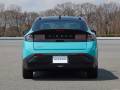
The old Leaf was a compact hatchback with quirky looks, but the new design embraces a sleeker, SUV-inspired silhouette. Its aerodynamic profile not only improves efficiency but also gives it a modern, premium look. Wider stance, sharper lines, and a sporty grille-less front make it one of Nissan’s boldest EV redesigns.
Improved Battery Options and Range
Buyers now have two battery choices:
- 52 kWh pack (Base S trim) – Affordable entry-level option.
- 75 kWh pack (S+, SV+, Platinum+) – Delivers up to 303 miles (≈488 km) of range, making it one of the most competitive EVs in its class.
This range improvement directly addresses one of the biggest criticisms of older Leaf models: limited travel distance.
Upgraded Interior and Infotainment System
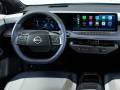
Inside, the Leaf gets a dual-display setup—a digital driver’s screen and a central infotainment unit measuring 12.3 to 14.3 inches depending on trim. Premium materials, wireless smartphone integration, and Google built-in services make it feel high-tech yet user-friendly.
Advanced Charging Capabilities (NACS + J1772)
The 2026 Nissan Leaf comes with dual charging options. It supports both the widely used J1772 plug and the NACS (Tesla) connector, unlocking access to Tesla Superchargers across North America. With DC fast charging up to 150 kW, you can add substantial range in just 30 minutes.
2026 Nissan Leaf Specifications
Let’s take a closer look at the nuts and bolts of this EV.
Battery Sizes and Performance Metrics
- 52 kWh battery: Targeted at city drivers and short commutes.
- 75 kWh battery: The workhorse option, delivering longer range and stronger acceleration.
Driving Range and Efficiency
- Maximum range: 303 miles on the Platinum+ trim.
- Real-world efficiency depends on driving style, wheel size, and climate, but even the smaller battery provides adequate coverage for urban use.
Motor Output and Acceleration
- Base models: ~174 horsepower, 254 lb-ft torque.
- Higher trims: ~214 horsepower, 261 lb-ft torque.
- Acceleration: 0–60 mph in just under 7 seconds on the larger motor.
Dimensions, Weight, and Cargo Space
The crossover body style provides more cargo space and a slightly raised driving position compared to older generations. Exact figures vary by trim but expect around 25–30 cubic feet of storage with seats folded.
Pricing and Trim Levels
Nissan has positioned the 2026 Leaf as one of the most affordable long-range EVs on the market. Here’s the breakdown:
Entry-Level S Trim (52 kWh)
- Expected launch in Spring 2026.
- Most affordable, but limited range compared to higher trims.
- Ideal for city driving and short commutes.
S+ Trim: Best Value Option
- Starting at $29,990 (before destination fee).
- Comes with the 75 kWh battery.
- Offers a balanced mix of range, performance, and price.
SV+ Trim: Tech-Focused Mid-Tier
- Priced around $34,230 (base).
- Adds premium infotainment, more advanced safety tech, and interior upgrades.
Platinum+ Trim: Premium Choice
- Around $38,990 (base), reaching $40,485 with destination fees.
- Top-of-the-line trim with the longest range, luxury features, and advanced driver assistance.
2026 Nissan Leaf Exterior Design
The Leaf’s transformation into a compact crossover brings several design improvements:
Aerodynamic Styling
Curved rooflines, a tapered rear, and flush door handles all reduce drag for better efficiency.
LED Lighting and Wheel Options
Standard LED headlights, dynamic taillights, and multiple alloy wheel designs (17” and 19”) give buyers customization options.
Color Choices and Customization
Nissan offers both single-tone and dual-tone paint options, appealing to younger buyers who want sportier looks.
Interior and Comfort Features
Seating and Cabin Space
The cabin has been stretched for better rear passenger comfort. The seats now come with enhanced bolstering and available leather trim.
Dashboard and Digital Displays
Dual digital screens make it easy to track driving data, navigation, and entertainment.
Premium Materials and Finishes
Soft-touch surfaces, recycled eco-friendly materials, and ambient lighting add a touch of sophistication.
Technology and Connectivity
Infotainment with Google Built-in
The 2026 Leaf integrates Google Maps, Assistant, and Play Store directly into the infotainment system.
Wireless Apple CarPlay and Android Auto
Seamless smartphone connectivity is standard across trims.
Driver-Assistance and Safety Tech
Nissan’s ProPILOT Assist offers adaptive cruise control, lane centering, and semi-automated driving for highway commutes.
Performance and Driving Experience
Driving the 2026 Nissan Leaf is noticeably different compared to its predecessors. With improved handling, stronger motors, and better suspension tuning, Nissan has created a car that’s both comfortable for daily use and engaging enough for longer trips.
Handling and Suspension
The crossover body provides a stable, planted feel on the road. Engineers have upgraded the suspension system, giving the Leaf smoother cornering and reduced body roll. For city driving, its tighter turning radius makes parking and maneuvering effortless.
Noise Reduction and Ride Comfort
One major improvement is cabin quietness. Thanks to better insulation and noise-dampening materials, road noise and wind intrusion are significantly reduced. This creates a serene driving environment, which is especially appreciated on highways.
Cold Weather Battery Performance
The addition of a liquid-cooled battery system makes the 2026 Leaf more reliable in cold or hot climates. Unlike older Leafs, which lost range in extreme weather, the new system ensures consistent performance year-round.
Charging and Infrastructure
Charging remains one of the most important considerations for EV buyers, and the 2026 Leaf offers multiple solutions.
Home Charging Options
For daily charging, owners can install a Level 2 (240V) charger at home. With this setup, the 75 kWh battery can be recharged overnight—perfect for commuters who plug in after work.
Public Fast-Charging Capability
On the go, the Leaf supports DC fast charging up to 150 kW. This means you can recover roughly 180 miles of range in 30 minutes, depending on conditions and charger availability.
NACS Integration with Tesla Superchargers
Perhaps the most exciting development is the Leaf’s NACS compatibility, granting access to Tesla’s growing Supercharger network. This is a major win for Nissan owners, ensuring more reliable long-distance travel.
Competitors and Alternatives
The EV market is getting crowded, and the 2026 Nissan Leaf faces strong competition.
2026 Hyundai Kona Electric
Like the Leaf, the Kona Electric offers strong range and crossover practicality. However, the Leaf’s 303-mile range beats many Kona trims, and Nissan’s lower entry price makes it more appealing to budget-conscious buyers.
2026 Chevrolet Bolt EUV Replacement
GM is relaunching the Bolt as a more advanced EUV. While pricing may be competitive, the Leaf benefits from Nissan’s established EV experience and broader global reach.
2026 Tesla Model 3 (Base Trim)
Tesla remains the benchmark for EVs. The base Model 3 has similar range and performance, but its starting price is higher than the Leaf. For those who want premium tech and status, Tesla may win, but for affordability and practicality, the Leaf shines.
Pros and Cons of the 2026 Nissan Leaf
Strengths
- 303-mile range on top trims, rivaling more expensive EVs.
- Affordable pricing compared to competitors.
- Flexible charging with both J1772 and NACS support.
- Improved comfort and tech features like dual digital displays and ProPILOT Assist.
- Nissan’s reputation as a pioneer in electric vehicles.
Weaknesses
- Base trim’s range is limited for long trips.
- Charging speed, while improved, still lags behind ultra-fast 250+ kW EVs.
- Resale value of past Leafs has been weaker than competitors, though this new redesign could improve that.
Expected Pricing in International Markets
While U.S. pricing is well-established, costs vary worldwide due to taxes and import duties.
U.S. Market Pricing
- S+: $29,990 (≈ $31,485 with destination).
- SV+: $34,230 base (≈ $35,725 with destination).
- Platinum+: $38,990 base (≈ $40,485 with destination).
European Market Overview
In Europe, the Leaf is expected to compete directly with the Volkswagen ID.3 and Hyundai Kona Electric. Pricing will likely start around €33,000–€35,000 for base trims, with higher trims exceeding €40,000.
2026 Nissan Leaf Price in Algeria
For Algerian buyers, early reports suggest a starting price of around 4,690,000 DZD, though final figures will depend on import taxes and availability. Charging infrastructure and after-sales service are also important factors to consider in North Africa.
Warranty and Maintenance
Battery Warranty Coverage
Nissan continues to offer strong battery protection:
- 8 years / 100,000 miles against capacity loss or defects.
Maintenance and Service Requirements
Unlike gasoline cars, the Leaf requires less frequent servicing. Regular tire rotations, brake checks, and software updates are the primary maintenance needs. The regenerative braking system also reduces wear on brake pads.
Resale Value and Long-Term Ownership
Depreciation Trends
Earlier Nissan Leafs were known for fast depreciation, mostly due to limited range and battery degradation concerns. With the 2026 redesign offering longer range and liquid-cooled batteries, resale values are expected to improve.
Longevity of EV Batteries
Modern EV batteries last longer than many expect. With proper charging habits, the 2026 Leaf’s battery should retain strong capacity for well over a decade, making it a reliable long-term investment.
Should You Buy the 2026 Nissan Leaf?
Who It’s Best Suited For
- Drivers who want an affordable EV with excellent range.
- Urban commuters who also enjoy occasional long road trips.
- Families looking for a practical crossover with advanced safety features.
Who Should Look Elsewhere
- Buyers seeking luxury-level performance may prefer Tesla or premium brands.
- Those without access to reliable charging infrastructure might find an EV challenging.
Frequently Asked Questions
1. What is the maximum range of the 2026 Nissan Leaf?
The top trim (Platinum+) with the 75 kWh battery can achieve up to 303 miles on a full charge.
2. Does the 2026 Leaf support Tesla Superchargers?
Yes, thanks to NACS compatibility, it can use Tesla’s Supercharger network where available.
3. How long does it take to charge at home?
Using a Level 2 (240V) home charger, the battery can be fully recharged overnight—about 8–10 hours.
4. What is the starting price of the 2026 Nissan Leaf?
The S+ trim starts at $29,990 (before destination fees) in the U.S.
5. Is the 2026 Leaf available in Algeria?
Yes, with an expected starting price of around 4,690,000 DZD, though availability depends on local import regulations.
6. How does it compare to the Tesla Model 3?
The Leaf is more affordable, with similar range on higher trims, but the Model 3 offers faster charging and a more premium driving experience.
Conclusion
The 2026 Nissan Leaf marks a turning point in Nissan’s EV journey. With a sleek crossover design, 303-mile range, affordable pricing, and Tesla Supercharger access, it stands out as one of the most practical electric vehicles on the market. While it may not boast luxury-level performance, its blend of value, technology, and efficiency makes it a strong contender for anyone considering an EV in 2026 and beyond.
For families, commuters, and eco-conscious drivers alike, the 2026 Leaf offers a future-proof option that combines Nissan’s proven experience with modern innovations.In short: If you’ve been waiting for the right time to switch to electric, the 2026 Nissan Leaf could be your perfect entry point.