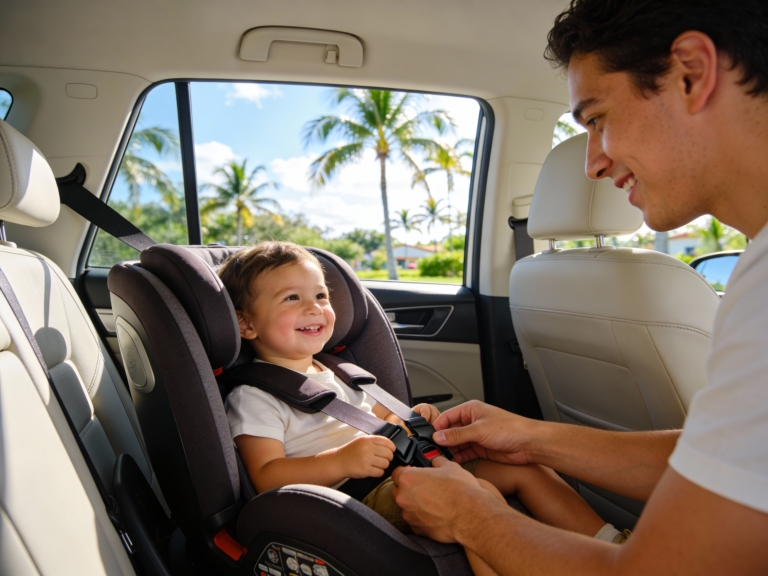

Car accidents remain one of the leading causes of injury and death among children in the United States. To combat this, states like California have strict regulations governing child passenger safety. If you’re a parent, guardian, or caregiver in California, understanding the law is not just about avoiding fines—it’s about safeguarding your child’s life.
Why Car Seat Laws Exist: Safety First
Car seats aren’t just legal requirements; they are proven life-saving devices. Studies show that proper use of a child safety seat reduces the risk of fatal injury in a crash by up to 71% for infants. Without proper restraints, even a minor accident can have devastating consequences.
California lawmakers, backed by safety data and national standards, have implemented car seat laws to ensure that children are protected in the best way possible for their age, weight, and height.
Overview of California Law for Infant Car Seats
California’s car seat laws are among the strictest in the country. They mandate that children under 2 years of age must ride in a rear-facing car seat unless they weigh at least 40 pounds or are 40 inches tall. This rule reflects research showing that rear-facing seats significantly reduce the risk of head, neck, and spinal injuries during collisions.
California Law on Infant Car Seats: What Parents Must Know
Let’s break down the key requirements so you can stay compliant.
Age and Weight Requirements
- Under 2 years old → Must be in a rear-facing car seat unless 40 lbs. or 40 inches tall.
- Ages 2–8 → Must be in a car seat or booster seat in the back seat.
- Under 8 but at least 4’9” tall → May transition to using a seat belt.
Rear-Facing Seat Regulations
Infants must ride rear-facing as long as possible, ideally until they exceed the height or weight limits set by the manufacturer. California law requires at least until age 2 unless the child meets the exemptions.
Forward-Facing Transition Rules
Once your child outgrows the rear-facing requirement, they can use a forward-facing seat with a five-point harness. However, experts recommend keeping children rear-facing as long as possible within the car seat’s limits.
Booster Seat Requirements
Children between ages 4–8 or under 4’9” tall must ride in a booster seat. A booster ensures that the seat belt fits correctly across the chest and lap rather than the neck or stomach, where it can cause serious injuries.
Rear-Facing Infant Car Seat Laws in California
Rear-facing car seats are considered the gold standard for infant safety. California mandates them until age 2, with only a couple of exceptions.
Exceptions to Rear-Facing Rules
A child may ride forward-facing before age 2 if they:
- Weigh 40 pounds or more, or
- Are at least 40 inches tall.
Penalties for Non-Compliance
Violating California infant car seat laws can result in:
- A base fine of $100 for the first offense.
- Up to $250 for repeat offenses.
- Additional court costs and penalty assessments.
- Points on the driver’s DMV record.
More importantly, non-compliance could place your child in unnecessary danger during an accident.
Forward-Facing and Booster Seat Guidelines
Once a child has outgrown the rear-facing requirements, California law allows them to transition to a forward-facing car seat. However, this doesn’t mean every child should switch as soon as they turn 2. Safety experts strongly recommend waiting until the child reaches the maximum height or weight limit of the rear-facing seat before making the change.
Height and Weight Thresholds
- Forward-Facing Car Seats: Designed for children who have exceeded the rear-facing limits. Most forward-facing seats accommodate children up to 65 pounds.
- Booster Seats: Required for children under 8 years old unless they are at least 4’9” tall. Booster seats work by lifting the child so that the seat belt fits properly.
A proper seat belt fit means:
- The lap belt sits snugly across the upper thighs, not the stomach.
- The shoulder belt rests across the chest and shoulder, not the neck or face.
Proper Seat Belt Fit for Children
Even after a child legally qualifies to ride without a booster, parents should still check for a proper fit. If the seat belt does not fit correctly, the child should remain in a booster seat until it does. This extra precaution ensures maximum safety during sudden stops or crashes.
Common Mistakes Parents Make with Car Seats
Even well-intentioned parents can make errors that compromise their child’s safety. Understanding the most common mistakes can help prevent them.
Incorrect Installation
Studies suggest that more than half of car seats are installed incorrectly. Some common mistakes include:
- Loose harness straps.
- Failing to anchor the car seat tightly to the vehicle.
- Using both the seat belt and LATCH system when the manufacturer recommends one method.
Many California communities offer free car seat safety checks where certified technicians ensure your seat is installed correctly.
Using Expired or Damaged Seats
Car seats have expiration dates, usually six years from the manufacture date. Using an expired or previously damaged car seat increases the risk of equipment failure during an accident. Always check labels and replace seats if they’ve been in a crash or show wear and tear.
California Highway Patrol Guidance on Car Seats
The California Highway Patrol (CHP) plays a key role in educating families about proper car seat usage.
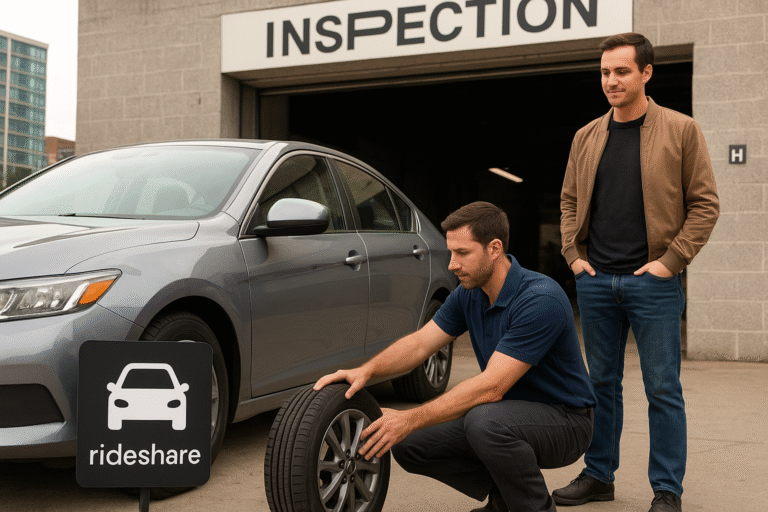
Free Car Seat Safety Inspections
CHP offices across the state offer free inspections by trained technicians. These professionals will:
- Verify correct installation.
- Ensure the seat is appropriate for your child’s size.
- Offer personalized safety tips.
Educational Resources for Parents
CHP also provides free resources, including guides and instructional videos, to help parents navigate California infant car seat laws. Parents can visit the CHP website or call their local office to schedule an appointment.
Special Rules for Rideshare and Taxis in California
With ridesharing apps like Uber and Lyft becoming popular, many parents wonder about car seat laws in these situations.
Uber & Lyft Car Seat Policies
- California law requires the same car seat rules in rideshares as in private vehicles.
- Parents must provide their own child safety seat if the child is under 8 years old.
- Some Uber services (like Uber Car Seat in certain cities) offer vehicles equipped with car seats for an additional fee.
Taxi and Shuttle Regulations
Unlike some states, California does not exempt taxis from car seat laws. That means parents are still responsible for ensuring their child rides in an appropriate safety seat, even in a cab or airport shuttle.
Exemptions Under California Car Seat Law
While the laws are strict, California does allow limited exemptions.
Medical Exemptions
Children with certain medical conditions may be exempt if a licensed physician provides documentation stating that a car seat is unsafe due to the child’s health.
Special Needs Children
For children with physical or developmental conditions, specialized car seats and harnesses may be recommended. Organizations such as the National Center for Safe Transportation of Children with Special Healthcare Needs provide resources for families.
Tips for Choosing the Right Infant Car Seat
Selecting a car seat can be overwhelming with so many options on the market. Here are some expert tips:
Factors to Consider: Safety Ratings & Comfort
- Always check NHTSA (National Highway Traffic Safety Administration) safety ratings.
- Choose a seat that fits your child’s weight and height, not just their age.
- Make sure the seat is compatible with your vehicle.
- Look for comfort features like padding and easy-to-adjust straps.
Top Recommended Car Seats for California Parents
Some highly rated models include:
- Chicco KeyFit 30 – Easy installation and high safety ratings.
- Graco SnugRide SnugLock 35 – Affordable and reliable.
- Britax B-Safe Gen2 – Premium features with extra side-impact protection.
For more detailed reviews, you can visit the Consumer Reports Car Seat Ratings.
Frequently Asked Questions (FAQs)
1. What is the current California law for infant car seats?
Children under 2 must ride rear-facing unless they are at least 40 lbs. or 40 inches tall.
2. Can a 1-year-old ride forward-facing in California?
No, unless they weigh 40 lbs. or are 40 inches tall. Otherwise, they must remain rear-facing.
3. Do car seat laws apply in Uber and Lyft?
Yes. Parents must bring an appropriate car seat for children under 8 years old.
4. What happens if I don’t follow California infant car seat laws?
You may face a $100 fine for the first offense, $250 for repeat violations, plus court costs.
5. Can I reuse a car seat after a minor accident?
It depends. Most manufacturers recommend replacing car seats after any crash, even a minor one.
6. Are there programs to help low-income families get car seats in California?
Yes. Many hospitals, nonprofits, and CHP offices provide free or discounted car seats to families in need.
Conclusion: Staying Compliant with California Infant Car Seat Laws
California infant car seat laws are designed to protect children during one of the most vulnerable times of their lives. While the regulations may seem strict, they’re based on proven safety research. By understanding the laws, choosing the right car seat, and avoiding common mistakes, parents can ensure their children are as safe as possible on the road.
Ultimately, compliance with these laws isn’t just about avoiding fines—it’s about giving your child the best chance at surviving a crash without serious injury. Stay informed, get your car seat checked regularly, and always put safety first.
California Highway Patrol (CHP) – Child Safety Seats