
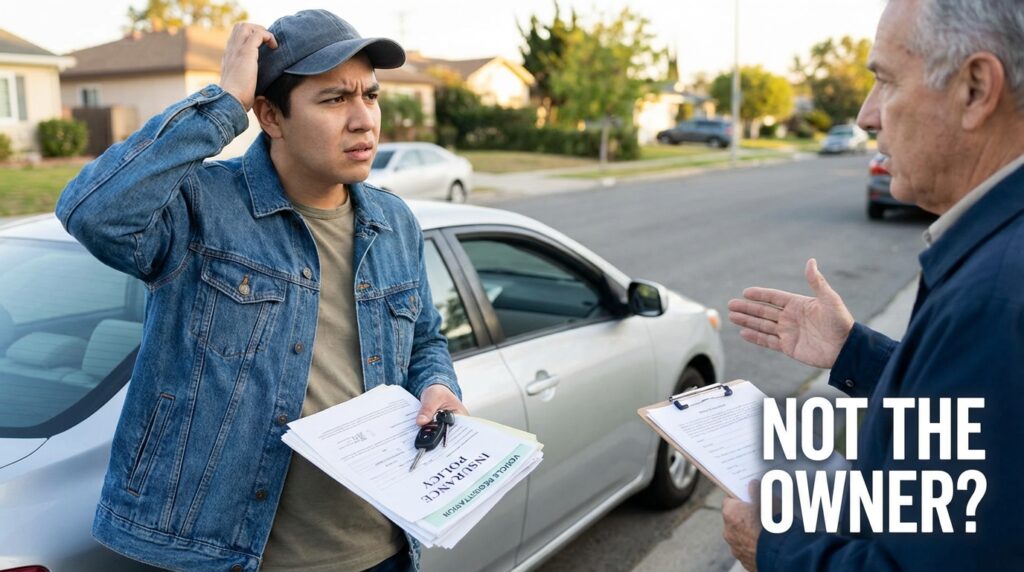
Many drivers face a confusing situation when dealing with vehicle ownership and coverage. You might drive your girlfriend’s vehicle, borrow a truck from your parents, or help a family member pay their premiums. Naturally, you will ask: can I insure a car not in my name? It sounds like a simple question, but the insurance world has strict rules regarding ownership and coverage.
Insurance companies across the United States, Canada, the UK, and Australia follow very similar legal principles. They want to know exactly who owns the vehicle and who drives it. If the names on the car title and the insurance policy do not match, providers often raise a red flag. However, you still have several legal options to get the protection you need.
This comprehensive guide will explain exactly how to insure a car not in your name. We will explore when insurance companies allow it, when they reject it, and what specific policies you need to stay fully protected on the road.
Is It Legal to Insure a Car That Is Not in Your Name?
Yes, it is legal to insure a car not in your name, but it is not always easy. Insurance companies do not have a universal law that forbids this practice. Instead, they rely on their own internal guidelines and the legal concept of risk.
Providers look closely at the relationship between the driver and the vehicle owner. They want to ensure that no one commits insurance fraud. If you have a legitimate reason to drive a vehicle you do not own, you can usually find a legal way to insure it. You just need to choose the right type of policy.
What Insurance Companies Require: The “Insurable Interest” Rule
To understand why car insurance not in your name is difficult to get, you must understand a rule called insurable interest. This is the foundation of the entire insurance industry.
Insurable interest means you must face a direct financial loss if the vehicle suffers damage or gets stolen. If you own the car, you clearly have an insurable interest. If a crash destroys your car, you lose money. Therefore, the company agrees to cover your risk.
If you do not own the car, you do not suffer a direct financial loss if someone steals it. The registered owner suffers the loss. Because you do not face this financial risk, insurance companies hesitate to sell you a standard policy. They believe people take better care of property they actually own.
“Insurance companies use the insurable interest rule to prevent fraud. You cannot buy property insurance on your neighbor’s house, and similarly, you cannot easily buy standard auto insurance on a car you do not own.” — Auto Insurance Industry Expert
For more detailed information on how insurable interest works in the auto industry, you can read the resources provided by the Insurance Information Institute.

Situations Where You Can Insure a Car Not in Your Name
Even with the insurable interest rule in place, life presents complex situations. Insurance providers understand this. They make exceptions based on your relationship with the car owner. Here are the most common scenarios where you can get insurance for car not owned by you.
Parent Insuring a Child’s Car
Parents frequently buy cars for their children. If the parent’s name is on the title, the parent must insure the car. However, if the child’s name is on the title, things change. If the child still lives at the parent’s address, most insurance companies allow parents to add the child and the car to the family policy. Once the child moves out permanently, the child must usually buy their own policy.
Spouse Insurance
Married couples share almost everything, including insurable interest. If your spouse owns a car, you can easily drive and insure it. Most insurance providers require married couples who live together to share a joint car insurance policy. Even if only one spouse’s name appears on the vehicle title, both spouses receive full coverage under the joint policy.
Company Vehicles
Businesses often purchase fleets of cars for their workers. The business owns the vehicle, but the employee drives it daily. In this situation, the company buys a commercial auto insurance policy. The company then lists the employee as a named driver on that policy. You do not need a personal policy to drive a company car for work purposes.
Borrowed Cars (Permissive Use)
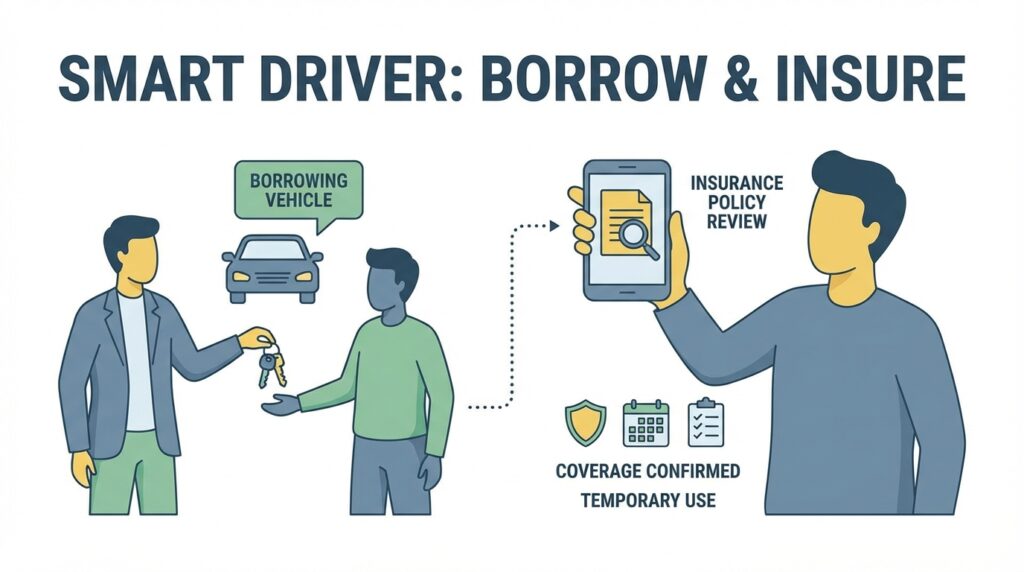
If you borrow a friend’s car for an afternoon to move furniture, you do not need to buy a new policy. Auto insurance generally follows the car, not the driver. This concept is called permissive use. As long as the owner gives you permission to drive the vehicle, the owner’s insurance policy will cover you in the event of a crash.
Non Owner Car Insurance
What happens if you frequently borrow cars, use car-sharing services, or rent vehicles? You need non owner car insurance. This unique policy provides liability coverage for drivers who do not own a vehicle. It covers the damage you cause to other people and their property. It does not pay for repairs to the car you borrow, but it protects your financial future from massive lawsuits.
When Insurance Companies Will Reject the Policy
While providers offer flexibility, they draw a hard line in certain situations. They will reject your application if they suspect fraud or hidden risks.
The most common reason for rejection is a practice called fronting. Fronting occurs when a high-risk driver (like a teenager) buys a car, but an older, low-risk driver (like a parent or older sibling) insures it in their name to get a cheaper rate. Insurance regulators in the US, UK, Canada, and Australia consider fronting illegal. It is a form of insurance fraud.
Providers will also reject your policy if:
- You try to insure a friend’s car to help them hide a terrible driving record.
- You live at a completely different address than the registered owner.
- You have no financial connection or familial relationship to the owner.
- The registered owner does not have their own active insurance policy.
Best Insurance Options If the Car Is Not in Your Name
If you need daily access to a car you do not own, you have three primary legal options to get proper coverage.
1. Add Your Name to the Car Title
The easiest way to solve the insurable interest problem is to change the ownership status. You can ask the owner to add your name to the vehicle title. Once your name appears on the official state or provincial registration, you become a co-owner. You can then buy a standard auto insurance policy without any issues.
2. Become a Named Driver on the Owner’s Policy
If you live at the same address as the owner, ask them to add you as a “named driver” on their existing policy. The owner continues to pay the premium (or you can pay them back). This method clearly tells the insurance company that you drive the car regularly. It protects both you and the owner completely.
3. Purchase a Non-Owner Policy
If you do not live with the owner and cannot change the title, you should buy a non-owner policy. This gives you secondary liability coverage. Remember, the car owner must still maintain primary insurance on the vehicle. Your non-owner policy acts as a backup if you cause a severe accident.

Table Comparison: Regular Auto Insurance vs Non-Owner Insurance
Understanding the difference between these two policies helps you make the right financial choice. Review the comparison below.
| Feature | Regular Auto Insurance | Non Owner Car Insurance |
|---|---|---|
| Who Owns the Car? | The person buying the policy. | Someone else (friend, rental company). |
| Insurable Interest Required? | Yes, you must own the car. | No, because it covers your liability, not the car. |
| Liability Coverage? | Yes, pays for others’ injuries and property. | Yes, acts as secondary liability coverage. |
| Physical Damage Coverage? | Yes, offers Collision and Comprehensive coverage. | No, it never pays to repair the borrowed car. |
| Average Cost | Higher (covers vehicle value and liability). | Lower (covers liability only). |
| Best For | Car owners and co-owners. | Frequent renters and borrowers. |
Step-by-Step Guide: How to Insure a Vehicle You Don’t Own
If you are ready to secure coverage, follow these simple steps to ensure you stay within the law.
- Identify the Registered Owner: Look at the vehicle registration. You must know exactly whose name appears on the official document.
- Discuss Options with the Owner: Talk to the car owner. Ask if they feel comfortable adding you as a named driver on their policy or adding your name to the title.
- Call an Insurance Agent: Do not try to buy a policy online by guessing the answers. Call an agent directly. Explain your exact living situation, your relationship to the owner, and how often you drive the car.
- Prove Your Address: If you want to join the owner’s policy, prepare to show utility bills or a lease agreement proving you live at the same residence.
- Sign the Documents: Choose between a joint policy, a named driver addition, or a non-owner policy. Sign the paperwork and pay your premium.
Common Mistakes People Make
Many drivers make honest mistakes when trying to get coverage for a borrowed car. Avoid these common errors to protect your finances.
Hiding the Primary Driver: Some people list an older relative as the primary driver, even though a younger person drives the car every day. Insurance companies investigate accidents thoroughly. If they find out you lied about the primary driver, they will deny your accident claim.
Assuming Permissive Use Lasts Forever: Permissive use covers occasional borrowing. If you drive your friend’s car every single day to commute to work, permissive use no longer applies. You must become a named driver on their policy.
Forgetting About the Title: Many people buy a car from a relative, hand over the cash, and forget to transfer the title at the DMV. Until you transfer that title, you do not legally own the car. You will face major hurdles trying to insure it.
Tips to Lower Car Insurance Costs
Insurance premiums can stretch your budget, especially if you get added as a secondary driver. You can take proactive steps to reduce these costs.
- Take a Defensive Driving Course: Many providers offer discounts to drivers who complete an approved safety course.
- Maintain a Clean Record: Avoid speeding tickets and traffic violations. A clean driving record keeps your rates exceptionally low.
- Ask About Usage-Based Insurance: Some companies offer telematics programs. You download an app that tracks your driving habits. Safe driving earns you a heavy discount.
- Bundle Policies: If you buy non-owner auto coverage and renters insurance from the same company, you often receive a multi-policy discount.
- Compare Quotes Annually: Never accept your first renewal offer. Call three different agents every year to see who offers the best rate for your specific situation.
Frequently Asked Questions (FAQ)
Drivers frequently ask specific questions about non-standard auto coverage. Read our detailed answers below to resolve your doubts.
Can I insure my girlfriend’s car?
Yes, but it depends on your living situation. If you live together, her insurance company usually requires her to add you as a named driver on her policy. If you do not live together, she must maintain her own policy, and her permissive use clause will cover you for occasional trips.
Can someone else insure my car?
Yes, can someone insure my car is a common question. Someone else can insure your car only if they have a financial stake in it (insurable interest). The easiest way to allow this is to add their name to your car title as a co-owner. Otherwise, you must insure the car and list them as a driver.
Can you insure a financed car not in your name?
No, this is extremely difficult. The bank or lender officially owns the car until the owner pays off the loan. Lenders require the name on the loan, the name on the title, and the name on the primary auto policy to match exactly. You cannot buy a primary policy for a car someone else finances.
What is non owner car insurance?
Non owner car insurance is a specific liability policy for people who have a driver’s license but do not own a vehicle. It pays for bodily injury and property damage you cause while driving a rented or borrowed car. It does not pay for damages to the car you drive.
Do I need to be the registered owner to insure a car?
Generally, yes. You need to be the registered owner to buy a standard, primary auto policy due to the insurable interest rule. If you are not the registered owner, you must use alternative methods like co-titling, becoming a named driver, or buying a non-owner policy.
Conclusion
Navigating the rules of auto coverage can feel overwhelming. Whenever you ask yourself, can I insure a car not in my name, remember the golden rule of insurable interest. Insurance companies need to know you have a valid financial connection to the vehicle.
You can legally protect yourself by communicating openly with the vehicle owner and your insurance agent. Whether you decide to co-title the vehicle, join the owner’s existing policy as a named driver, or purchase dedicated non-owner coverage, you have viable options. Choose the path that matches your living situation, fits your budget, and most importantly, keeps you legally compliant on the road.
If you still feel unsure about your specific situation, reach out to a licensed insurance broker today. They will evaluate your relationship with the car owner and build a policy that gives you absolute peace of mind.