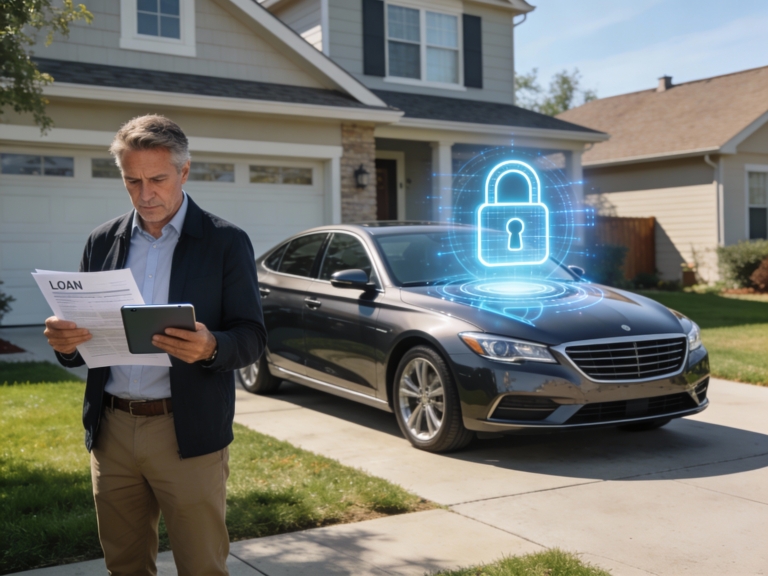

Subprime auto lenders play a major role in the U.S. auto financing system. They provide vehicle loans to borrowers who fall below traditional credit standards. These lenders often approve individuals who have experienced financial hardships, missed payments, bankruptcies, or limited credit histories. While they offer access to transportation, they also come with higher costs and risks.
Understanding how subprime auto lenders work is essential before signing any loan agreement. For many households, a car is not a luxury—it’s a necessity for work, school, and daily life. Subprime lending fills this gap but requires careful consideration.
What Does “Subprime” Mean in Auto Financing?
In lending, “subprime” refers to borrowers with credit scores typically below 620. These individuals are viewed as higher risk due to past credit issues such as late payments, defaults, or limited credit experience. Because of this risk, lenders charge higher interest rates to protect themselves against potential losses.
How Subprime Auto Lenders Operate
Subprime auto lenders use risk-based pricing models. They evaluate income, employment stability, down payment size, and vehicle value rather than relying only on credit scores. Many loans are structured with shorter terms and higher monthly payments to reduce lender exposure.
Why Subprime Auto Lenders Exist
Credit Scores and Risk-Based Lending
Traditional banks often deny applicants with poor credit. Subprime auto lenders exist to serve this overlooked market. By charging higher interest rates, they balance the increased risk while still providing financing opportunities.
Market Demand for Auto Financing
Millions of Americans rely on vehicles to earn a living. Without subprime auto lenders, many consumers would have no access to reliable transportation. This demand has allowed the subprime auto lending market to grow steadily over the past two decades.
Types of Borrowers Who Use Subprime Auto Lenders
Borrowers with Low Credit Scores
Consumers with past delinquencies, charge-offs, or foreclosures often turn to subprime auto lenders as a last resort. These lenders are more flexible but compensate with stricter loan terms.
First-Time Buyers and Credit-Challenged Consumers
Young adults or immigrants with limited credit histories may also fall into the subprime category. Even without negative credit behavior, a lack of history can result in higher loan costs.
Interest Rates and Loan Terms Explained
Why Interest Rates Are Higher
Interest rates from subprime auto lenders can range from 10% to over 25%. This reflects the higher likelihood of missed payments or defaults. According to the Consumer Financial Protection Bureau (CFPB), subprime borrowers pay significantly more over the life of an auto loan than prime borrowers.
Common Loan Structures and Fees
Many loans include:
- Mandatory add-ons
- Origination fees
- GPS tracking devices
- Early payoff penalties
Borrowers should carefully review contracts and request full disclosure.

Benefits of Using Subprime Auto Lenders
Access to Transportation
The biggest benefit is immediate access to a vehicle. For someone who needs a car to work, this can be life-changing.
Opportunity to Rebuild Credit
When managed responsibly, loans from subprime auto lenders can help improve credit scores. On-time payments are reported to credit bureaus and can demonstrate financial responsibility.
Risks and Downsides to Consider
High Costs Over Time
High interest rates mean borrowers often pay far more than the car’s value. In some cases, consumers owe more than the vehicle is worth within months.
Risk of Repossession
Subprime loans often have strict repossession clauses. Missing even one payment can result in losing the vehicle, especially with lenders using GPS-enabled tracking.
How to Choose a Reliable Subprime Auto Lender
Red Flags to Avoid
Avoid lenders who:
- Refuse to disclose APR
- Pressure you to sign immediately
- Bundle unnecessary add-ons
- Do not report payments to credit bureaus
Questions Borrowers Should Ask
- What is the total loan cost?
- Are there prepayment penalties?
- Will payments be reported to credit agencies?
- What happens if I miss a payment?
Alternatives to Subprime Auto Lenders
Credit Unions and Buy-Here-Pay-Here Dealers
Credit unions often offer more favorable terms, even for low-credit borrowers. Buy-here-pay-here dealers may approve easily but often come with higher risks and fewer protections.
Improving Credit Before Applying
Simple steps like paying down debt, disputing credit report errors, or adding a co-signer can significantly improve loan terms. Resources such as the Consumer Financial Protection Bureau offer guidance on auto loans and borrower rights:
https://www.consumerfinance.gov
Legal Regulations and Consumer Protections
Federal and State Oversight
Subprime auto lenders are regulated by federal and state laws, including the Truth in Lending Act. These laws require clear disclosure of loan terms, interest rates, and fees. Some states also cap interest rates and regulate repossession practices.
FAQs About Subprime Auto Lenders
1. Are subprime auto lenders legitimate?
Yes, many are legitimate, but borrowers must research carefully to avoid predatory practices.
2. Can subprime auto lenders help rebuild credit?
Yes, if payments are made on time and reported to credit bureaus.
3. Do all subprime auto lenders charge high interest?
Most do, but rates vary depending on income, down payment, and lender policies.
4. Is refinancing possible later?
Yes. Once credit improves, borrowers may refinance at lower rates.
5. What credit score qualifies as subprime?
Typically below 620, though standards vary by lender.
6. Are there safer alternatives to subprime auto lenders?
Credit unions, co-signers, or delaying purchase to improve credit are often safer options.
Conclusion and Final Thoughts
Subprime auto lenders provide an important service by offering financing to consumers who might otherwise be excluded from the auto market. However, the convenience comes at a cost. High interest rates, strict terms, and repossession risks mean borrowers must proceed with caution.
By understanding how subprime auto lenders work, comparing options, and knowing your rights, you can make smarter financial decisions. Used responsibly, these loans can serve as a stepping stone toward better credit and long-term financial stability—not a trap.