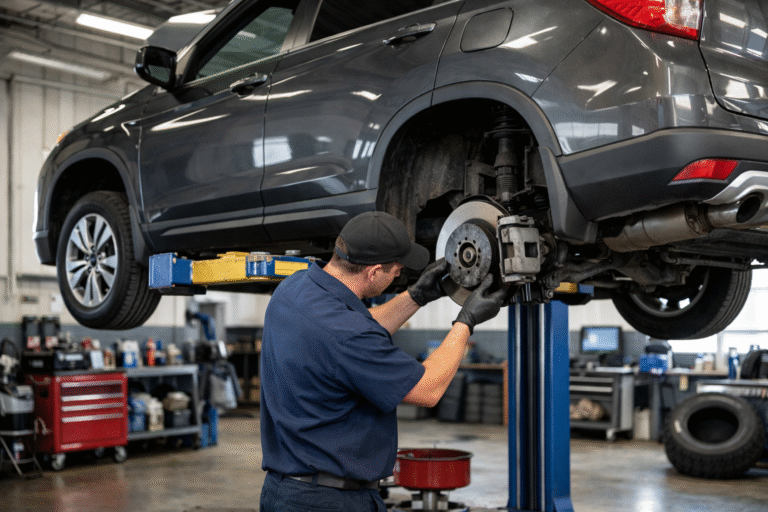

Imagine this scenario. You pull up to a red light after a long day at work. You come to a complete stop, the music is low, and suddenly, you feel it. Your steering wheel starts to vibrate. The seat beneath you feels like a massage chair gone wrong. Your car is shivering.
This is a stressful moment for any driver. When a vehicle shakes while idling, it is the car’s way of screaming for help. It means something within the engine, the fuel system, or the structural support is not working correctly.
Don’t panic. While a shaking car feels scary, the causes are often straightforward and fixable. This guide will walk you through exactly why this happens, how to spot the symptoms, and the proven fixes to get your ride smooth again.
Quick Summary: Why Is My Car Shaking?
Most idling vibrations come down to three main categories:
- Air & Fuel Issues: The engine isn’t getting the right mixture to burn.
- Ignition Problems: The spark plugs or coils aren’t firing correctly.
- Mechanical Failures: Physical parts like motor mounts are broken or worn out.

Understanding the “Idle” State
Before we dive into the fixes, we must understand what “idling” actually is. Idling occurs when your engine is running, but the vehicle is not moving. This usually happens at stoplights, in drive-throughs, or when you are parked with the engine on.
A healthy engine should idle smoothly at a consistent speed, usually between 600 and 1000 RPM (Revolutions Per Minute). When a vehicle shakes while idling, the RPMs often fluctuate, or the engine struggles to stay running. This is often called a “rough idle.”
9 Powerful Causes Why Your Vehicle Shakes While Idling
There are many reasons a car might shudder, but these nine culprits are the most common. Identifying the specific cause is the first step toward a solution.
1. Damaged or Worn Motor Mounts
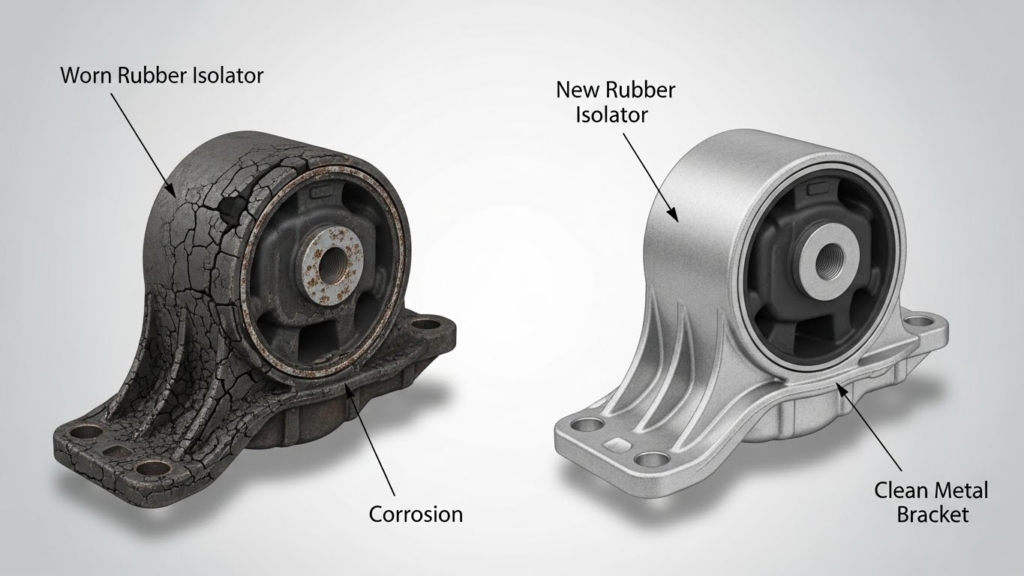
This is one of the most common reasons for vibrations that happen only at idle. Your engine is a heavy, powerful beast that creates massive vibration. Motor mounts are the parts that hold the engine to the car’s frame.
They are usually made of metal and rubber (or hydraulic fluid) to absorb vibrations. If the rubber cracks or dries out, the engine has no cushion. You will feel every single vibration of the engine directly in the steering wheel and the frame of the car.
“Think of motor mounts as the shock absorbers for your engine. When they fail, there is nothing separating the shaking engine from the chassis of your car.”
2. Dirty or Clogged Fuel Injectors
Your engine needs a precise spray of fuel to run smoothly. Over time, carbon deposits and varnish from low-quality gas can clog the tiny nozzles of your fuel injectors.
When an injector is clogged, it cannot spray enough fuel into the cylinder. This creates an uneven explosion in the engine, leading to a misfire. This misfire causes the violent shake you feel when sitting still.
3. Worn Out Spark Plugs
Spark plugs provide the tiny bolt of lightning that ignites the fuel in your engine. They are tough, but they don’t last forever. If a spark plug is worn out or covered in carbon, it cannot create a strong spark.
Without a good spark, the fuel doesn’t burn properly. This causes the engine to “skip” a beat. If your vehicle shakes while idling, checking the spark plugs is often the cheapest and easiest starting point.
4. Vacuum Leaks
Your engine is like a giant vacuum pump. It sucks in air to mix with fuel. This system relies on a series of rubber hoses to maintain the correct pressure.
If one of these hoses cracks or disconnects, extra air rushes into the engine. The car’s computer gets confused because there is too much air and not enough fuel. This “lean” mixture causes the engine to sputter and shake violently at low speeds.
5. Clogged Air Filter
Just as your engine needs fuel, it needs to breathe. The air filter catches dust, dirt, and bugs before they enter the engine. Eventually, this filter gets full.
If the engine cannot suck in enough air because the filter is blocked, it will struggle to run. It effectively starts “choking,” which manifests as a rough, shaking idle.
💡 Pro Maintenance Tip: Check your air filter every time you change your oil. If you hold it up to the sun and can’t see light through it, throw it away and buy a new one. It’s a $15 fix that can save your engine.
6. Failing Mass Air Flow (MAF) Sensor
The MAF sensor measures the amount of air entering the fuel injection system. It sends this data to the car’s computer (ECU), which then decides how much fuel to inject.
If the MAF sensor is dirty or faulty, it sends the wrong data. The computer might send too little fuel, causing the engine to starve and shake. This is a very common electronic failure in modern cars.
7. Bad Oxygen (O2) Sensor
While the MAF sensor measures air coming in, the Oxygen sensor measures the exhaust going out. It tells the computer if the engine is burning fuel efficiently.
Over time, O2 sensors get covered in ash and oil exhaust. When they fail, the computer can no longer balance the fuel mixture, leading to a rough idle and increased emissions.
8. Loose or Damaged Timing Belt
The timing belt (or chain) ensures that the engine’s valves open and close at the exact right moment. If the belt is loose, worn, or has skipped a “tooth,” the synchronization of the engine is thrown off.
This is a serious issue. A minor timing issue causes shaking. A major timing failure can destroy your engine completely. If you hear a rattling noise along with the shaking, check this immediately.
9. Faulty Idle Air Control (IAC) Valve
The IAC valve is responsible for regulating the engine’s idle speed. It works closely with the car’s computer to keep the RPM steady when you aren’t pressing the gas pedal.
Carbon buildup can jam this valve. If it gets stuck, it cannot adjust the idle speed, causing the RPMs to drop too low. When RPMs drop below 600, the car will shudder and feel like it is about to stall.
Clear Symptoms to Watch For
How do you know if the shaking is serious? Apart from the vibration itself, look for these accompanying symptoms.
| Symptom | What It Indicates | Urgency Level |
| RPM Needle Bouncing | Vacuum leak or fuel delivery issue. | High |
| Check Engine Light Flashing | Active engine misfire (Spark plugs/Coils). | Critical |
| Vibration ceases when driving | Usually Motor Mounts. | Medium |
| Poor Gas Mileage | Oxygen Sensor or Air Filter issues. | Medium |
| Hissing Sound | Vacuum leak. | High |
Proven Fixes to Restore Smooth Performance
Once you have identified the likely cause, it is time to take action. Here are the most effective ways to fix a vehicle that shakes while idling.
1. Inspect and Replace Spark Plugs
This is the best place to start. Remove your spark plugs and look at the tips. If they look black, oily, or burnt, replace them. Always replace the full set at once. This simple tune-up solves a large percentage of rough idle cases.
2. Use a Fuel System Cleaner
If your injectors are slightly clogged, you might not need a mechanic. You can buy a high-quality fuel system cleaner additive. Pour it into your gas tank when you fill up. As you drive, the chemicals will break down the carbon deposits in the injectors.
3. Check for Vacuum Leaks
Open the hood while the engine is running (be careful of moving parts). Listen for a hissing noise. You can also spray a small amount of soapy water on rubber hoses; if you see bubbles being sucked in, you have found the leak. Replace the cracked hose.
4. Clean the MAF Sensor and Throttle Body
You can buy specialized “MAF Sensor Cleaner” spray at any auto parts store. Remove the sensor and spray it clean. Do not touch the delicate wires with your fingers. Also, cleaning the throttle body (the metal flap that lets air in) can fix idle issues caused by carbon buildup.
5. Replace Motor Mounts
If the engine runs smooth but the car shakes, check the mounts. Have a friend rev the engine while the car is in “Park” and the handbrake is on. Watch the engine. If it jumps or moves excessively, the mounts are broken and need replacement by a professional.
Comparison: DIY vs. Professional Repair Costs
Money matters. Below is an estimation of what it costs to fix these issues if your vehicle shakes while idling. Prices vary based on vehicle make and model.
| Repair Type | DIY Cost (Parts Only) | Mechanic Cost (Parts + Labor) | Difficulty Level |
| Spark Plugs | $40 – $100 | $150 – $350 | Easy |
| Air Filter | $15 – $30 | $50 – $80 | Very Easy |
| Ignition Coils | $100 – $300 | $300 – $600 | Easy/Medium |
| Motor Mounts | $100 – $400 | $500 – $1200 | Hard |
| Vacuum Hose Repair | $10 – $20 | $100 – $200 | Easy |
| Fuel Injector Cleaning | $15 (Additive) | $150 – $300 (Professional) | Easy |
⚠️ Important Note on Safety: If your “Check Engine Light” is blinking, do not drive the car for long distances. A blinking light indicates a severe misfire that can dump raw fuel into your catalytic converter, causing thousands of dollars in permanent damage.
Preventative Maintenance: Stop the Shake Before It Starts
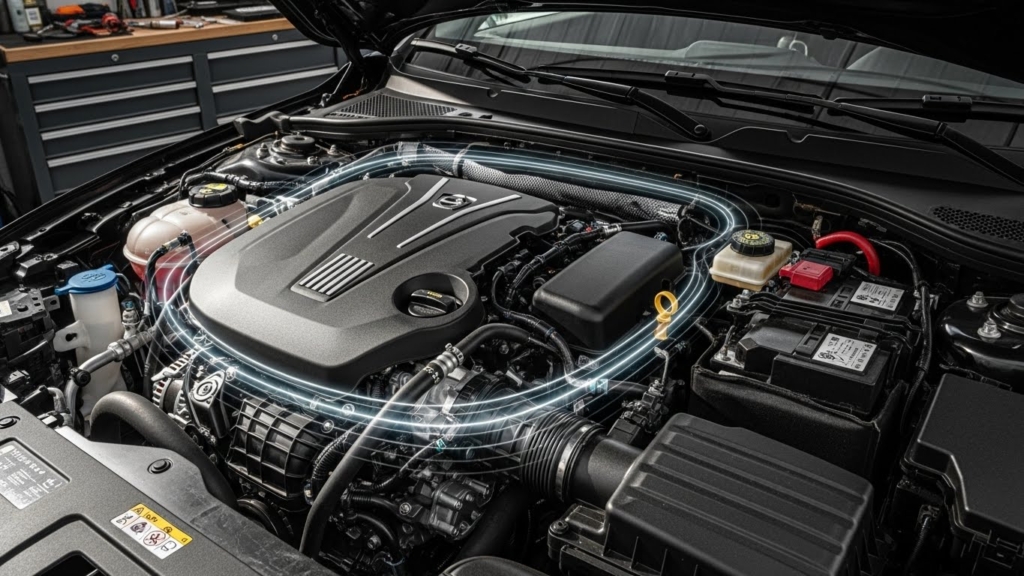
The best way to fix a problem is to prevent it. To keep your engine idling smoothly for years, follow these simple habits:
- Use Good Fuel: Stick to “Top Tier” gas stations that include detergents in their fuel to keep injectors clean.
- Follow Service Intervals: Change your spark plugs and air filters exactly when your owner’s manual suggests.
- Inspect Rubber Hoses: Every year, visually check the rubber hoses under your hood for cracks or brittleness.
- Regular Oil Changes: Fresh oil keeps the internal engine parts moving freely and reduces wear on the timing components.
Frequently Asked Questions (FAQ)
Q: Can I drive my car if it shakes while idling?
A: Generally, yes, if the shaking is mild and the Check Engine Light is not flashing. However, you should get it diagnosed as soon as possible. Driving with a misfire or vacuum leak can damage other expensive parts over time.
Q: Why does my car shake when I turn on the AC?
A: The Air Conditioning compressor puts a heavy load on the engine. If your engine is already weak due to dirty valves or old spark plugs, the extra strain of the AC can cause the idle to drop and the car to shake. It may also indicate a failing AC compressor bearing.
Q: Will an oil change fix a shaking car?
A: Usually, no. Low oil causes internal damage, but it rarely causes a shaking idle unless the engine is seizing. However, neglecting oil changes leads to timing chain wear, which can cause shaking.
Q: How do I know if it’s spark plugs or ignition coils?
A: It is hard to tell without a diagnostic tool (OBD2 Scanner). However, if you replace the spark plugs and the shaking continues, the ignition coil (which powers the plug) is the next likely suspect.
Conclusion
A vehicle that shakes while idling is annoying, but it is rarely a mystery. Whether it is a simple clogged air filter, a worn-out spark plug, or a broken motor mount, the car is telling you exactly what is wrong. You just have to listen.
Start with the easy fixes. Check the air filter, run a fuel cleaner through the tank, and inspect your spark plugs. If the shaking persists, don’t ignore it. Addressing these small vibrations now will prevent massive engine failures down the road. Your car takes care of you; make sure you take care of it.
For additional reference, you can explore engine diagnostics guidance from HowStuffWorks: