
Vehicle inspections are more than just a legal requirement in Texas—they’re a safeguard for road safety, environmental health, and peace of mind. Whether you’re a new resident or a long-time Texan, understanding Texas vehicle inspection requirements is crucial to keeping your car roadworthy and avoiding penalties.
This article covers everything you need to know about requirements to pass vehicle inspection in Texas, including safety checks, emissions standards, costs, and what to do if your vehicle fails.
Understanding Texas State Vehicle Inspection Requirements
Why Vehicle Inspections Are Mandatory in Texas
Texas law requires vehicles to undergo routine inspections to ensure they meet safety and emissions standards. This helps reduce accidents caused by faulty equipment and lowers air pollution across major cities.
The Agencies Responsible for Vehicle Inspections
Vehicle inspections in Texas are overseen by the Texas Department of Public Safety (DPS). Certified private stations, such as auto shops and service centers, are licensed to perform these inspections statewide.
Types of Vehicle Inspections in Texas
Safety Inspections
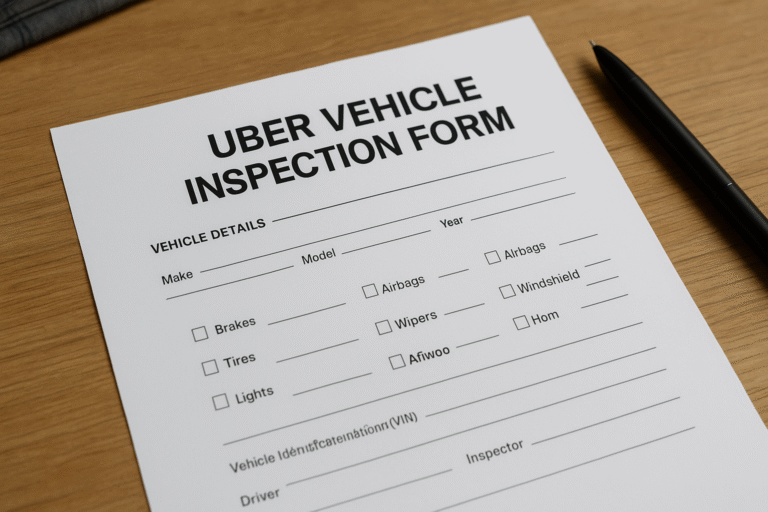
All registered vehicles must pass an annual safety inspection, which covers brakes, lights, tires, seatbelts, and other critical components.
Emissions Inspections
If you live in certain counties (like Dallas, Houston, or Austin), your vehicle must also pass an emissions test to limit harmful pollutants.
Commercial Vehicle Inspections
Large trucks, buses, and fleet vehicles are subject to more rigorous inspections under federal and state guidelines.
Exemptions from Vehicle Inspections
Not every vehicle requires emissions testing. For example, cars older than 25 years, motorcycles, and certain diesel-powered vehicles may be exempt.
Requirements to Pass Vehicle Inspection in Texas
Passing inspection means your car must meet minimum safety and emissions standards.
Basic Safety Features Checked
Brakes and Brake Systems
Inspectors check brake pads, rotors, and emergency brakes to ensure stopping power.
Lights, Signals, and Reflectors
Headlights, tail lights, brake lights, and turn signals must all function correctly.
Tires, Wheels, and Steering
Tires need enough tread depth, and steering systems must respond smoothly.
Windshield, Wipers, and Mirrors
A cracked windshield or non-functioning wipers can cause an automatic fail.
Seat Belts and Horns
Every seatbelt must work properly, and your horn should be loud enough to alert others.
Emissions Test Requirements
OBD (On-Board Diagnostics) Check
Modern vehicles connect to a scanner that checks for emission-related fault codes.
Tailpipe Emission Standards
The test measures pollutants such as CO2 and nitrogen oxide against state limits.
Exemptions by Vehicle Age or Type
Antique vehicles, certain diesels, and cars older than 25 years may not need emissions testing.
Texas Vehicle Inspection Checklist
When heading to a certified inspection station, be prepared.
Items Commonly Tested
- Lights and indicators
- Brakes and steering
- Exhaust system
- Windshield and mirrors
- Horn, seatbelts, and tires
Documents You Need to Bring
- Proof of insurance
- Vehicle registration (or renewal notice)
- Driver’s license
Inspection Fees and Payment Options
Safety-only inspections cost $7, while safety plus emissions inspections range between $18–$25 depending on county requirements.
How to Prepare Your Vehicle for Inspection
DIY Pre-Inspection Checklist
- Check all lights and signals.
- Ensure tires meet tread requirements.
- Top up windshield washer fluid.
- Test the horn and seatbelts.
Common Reasons Vehicles Fail Inspections
- Burnt-out bulbs
- Bald tires
- Cracked windshields
- Faulty brakes
Quick Fixes Before Inspection Day
Replacing a light bulb or wiper blade is often enough to pass. Doing these quick checks saves time and money.
What Happens If Your Vehicle Fails Inspection?
Steps After a Failed Inspection
You’ll receive a written report detailing why your vehicle failed. You must repair the issues before retesting.
Cost of Re-Inspection in Texas
Many stations offer a free re-test if repairs are made within a specific time frame, usually 15 days. Otherwise, you may need to pay the inspection fee again.
Where to Get a Vehicle Inspection in Texas
Certified Inspection Stations
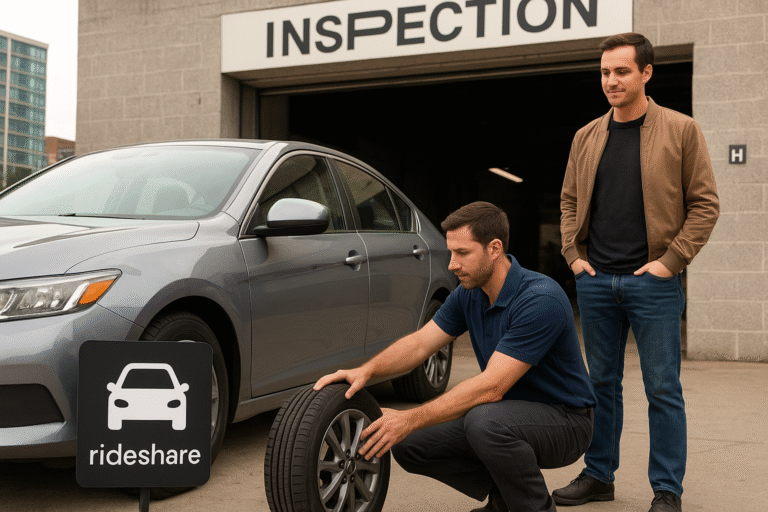
Not all auto shops can perform inspections. Look for “Official Vehicle Inspection Station” signage.
Locating a Station Near You
You can use the Texas DPS inspection station locator to find a nearby certified station.
Texas Inspection Sticker and Registration Process
The “Two Steps, One Sticker” Program
Texas combines inspection and registration into one process. First, pass your inspection, then renew your registration using proof of inspection.
Renewal Timeline and Deadlines
Your inspection must be completed within 90 days of registration renewal to remain valid.
Frequently Asked Questions About Texas State Vehicle Inspection Requirements
Q1: How often do I need a vehicle inspection in Texas?
Annually, unless your vehicle qualifies for an exemption.
Q2: Do all Texas counties require emissions testing?
No, only 17 counties require emissions tests, mainly in urban areas.
Q3: Can I drive my car if it fails inspection?
Yes, but you won’t be able to renew your registration until it passes.
Q4: What documents are required for inspection?
You’ll need proof of insurance, registration, and your driver’s license.
Q5: How much does a Texas vehicle inspection cost?
Safety inspections cost $7, while safety + emissions can cost up to $25.
Q6: Are electric vehicles required to pass emissions tests?
No, electric cars are exempt from emissions testing but must pass a safety check.
Conclusion: Staying Road Legal in Texas
Complying with Texas vehicle inspection requirements is straightforward once you understand the process. By keeping up with regular maintenance, bringing the right documents, and preparing your vehicle beforehand, you’ll breeze through inspections and stay road legal.
Remember: safe cars mean safer roads for everyone in Texas. 🚗💨
Texas Department of Public Safety (DPS) – Vehicle Inspection Program