
Keeping your car in good condition isn’t just about avoiding breakdowns—it’s about safety, compliance, and long-term savings. A vehicle inspection checklist helps drivers make sure their car is roadworthy before hitting the road. Whether you’re preparing for a state-mandated inspection, buying a used vehicle, or just doing routine maintenance, having a proper checklist can save you headaches (and money) down the line.
In this guide, we’ll cover a general vehicle checklist inspection, dive into state-specific requirements such as Missouri, Virginia, Pennsylvania, and Maine, and provide tips for used cars.
Why Vehicle Inspection is Important
Enhancing Road Safety
Every year, thousands of accidents happen due to faulty brakes, worn tires, or malfunctioning lights. A thorough inspection reduces these risks by identifying issues early.
Preventing Costly Repairs
Catching problems like low oil levels, worn brake pads, or battery corrosion during routine checks can prevent major breakdowns and expensive repairs later.
Meeting State Regulations
Some states mandate annual or biannual inspections to ensure cars meet safety and emissions standards. Skipping them can lead to fines, penalties, or even losing the right to drive your car legally.
General Vehicle Checklist Inspection
A general vehicle inspection covers three main areas: the exterior, interior, and under the hood.
Exterior Inspection
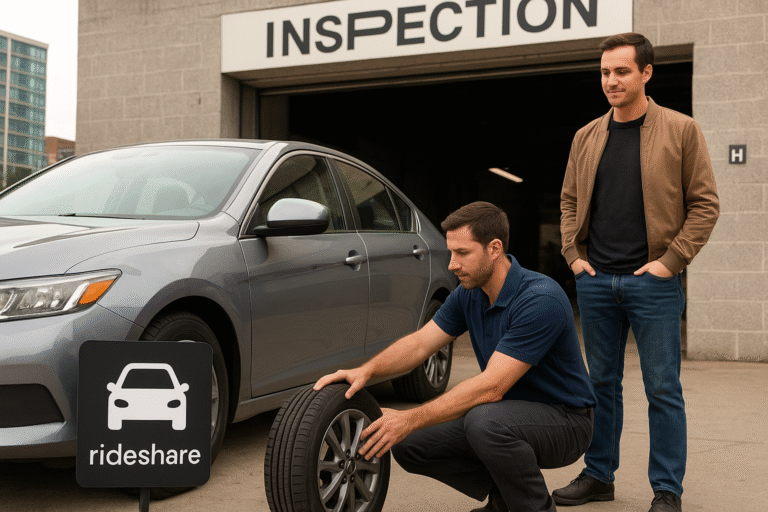
- Tires and Wheels – Check for tread depth, inflation, cracks, and uneven wear.
- Lights and Signals – Ensure headlights, brake lights, turn signals, and hazard lights work.
- Windshield and Wipers – Look for cracks, chips, and make sure wipers clear properly.
Interior Inspection
- Dashboard Indicators – Warning lights for oil, brakes, and engine should not be on.
- Seat Belts and Airbags – Verify seat belts retract smoothly and airbags aren’t recalled.
- Mirrors and Visibility – Adjust mirrors for maximum visibility and check for cracks.
Under the Hood Inspection
- Engine Fluids – Oil, coolant, brake fluid, and transmission fluid should be topped off.
- Battery Condition – Check for corrosion, secure mounting, and test voltage.
- Belts and Hoses – Look for cracks, fraying, or leaks.
Used Vehicle Inspection Checklist
Buying a used car? A used vehicle inspection checklist is a must before signing the deal.
- Look for rust and frame damage.
- Inspect suspension and alignment.
- Test drive to check brakes, acceleration, and steering response.
- Check the vehicle history report for accidents.
💡 Pro tip: Always consider hiring a trusted mechanic for a pre-purchase inspection—it may cost $100-$200, but it could save you thousands.
State-Specific Vehicle Inspection Checklists
Missouri (MO) Vehicle Inspection Checklist
Missouri requires safety inspections every two years for most vehicles. The checklist covers brakes, steering, lights, and emissions in some counties.
Virginia Vehicle Inspection Checklist
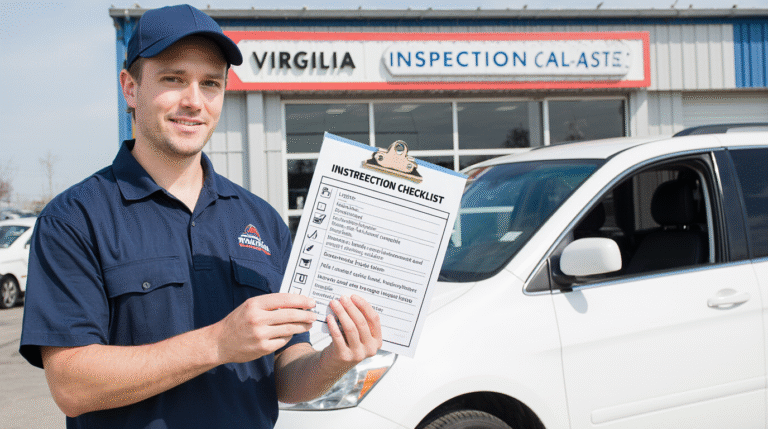
Virginia mandates annual inspections covering brakes, exhaust, lights, tires, fuel system, and more. You must display a valid inspection sticker.
Pennsylvania (PA) Vehicle Inspection Checklist
Pennsylvania requires annual safety inspections and emissions testing (in some counties). Vehicles older than 8 years must undergo stricter checks.
Maine Vehicle Inspection Checklist
Maine requires annual safety inspections and emissions testing in some areas. The checklist includes steering, brakes, lights, horn, and tires.
DIY Vehicle Inspection vs. Professional Inspection
When You Can Do It Yourself
- Checking fluid levels
- Inspecting tire pressure
- Replacing wiper blades
When to Hire a Certified Inspector
- Brake performance tests
- Suspension & alignment
- Emissions testing
Tools Needed for a Proper Vehicle Inspection
- Basic Tools: Tire pressure gauge, flashlight, rag, jack.
- Advanced Tools: OBD-II scanner, multimeter, brake fluid tester.
Common Mistakes Drivers Make During Inspections
- Ignoring dashboard warning lights
- Forgetting to check tire tread depth
- Overlooking windshield cracks
- Skipping regular oil changes
How Often Should You Perform a Vehicle Inspection?
- DIY check – Every 1-2 months
- Professional inspection – Annually or as required by your state
Vehicle Inspection Checklist PDF (Downloadable Resource)
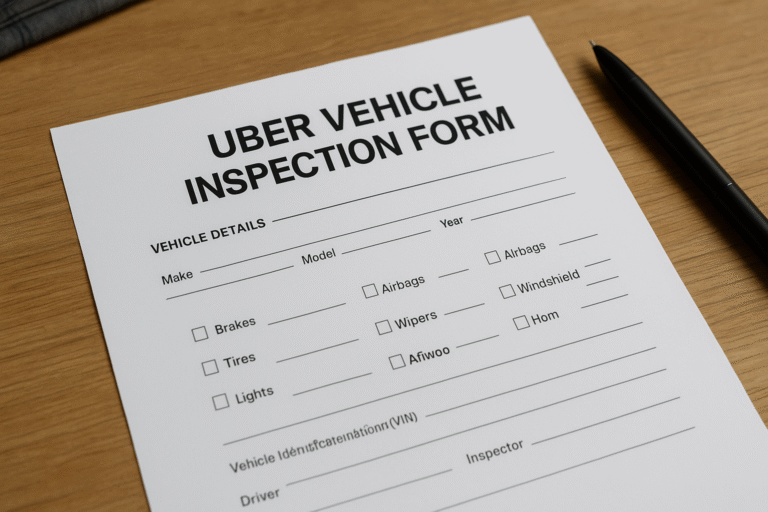
For convenience, you can create your own vehicle inspection checklist PDF and keep it in your glovebox for quick reference.
FAQs on Vehicle Inspection Checklist
Q1. What is checked in a standard vehicle inspection?
A standard inspection checks brakes, tires, lights, steering, suspension, and emissions.
Q2. How much does a vehicle inspection cost?
Costs vary by state but typically range from $15 to $70.
Q3. Do all states require vehicle inspections?
No, requirements vary. For example, Missouri, Virginia, Pennsylvania, and Maine mandate inspections, while others don’t.
Q4. Can I fail a vehicle inspection for minor issues?
Yes, even small problems like a broken light bulb can cause failure until repaired.
Q5. How do I prepare my car for inspection?
Check lights, fluid levels, and tire pressure before taking your car in.
Q6. What’s the difference between a state and private inspection?
State inspections check for legal compliance, while private inspections (e.g., used cars) focus on overall condition.
Conclusion: Staying Safe with Regular Vehicle Inspections
A vehicle inspection checklist isn’t just about ticking boxes—it’s about ensuring safety, reliability, and compliance. Whether you’re driving daily, buying a used car, or passing a state-mandated check, inspections save money and lives.
👉 Make inspections a habit, and you’ll keep your car running smoothly for years to come.
🔗 For more detailed state inspection requirements, visit the National Highway Traffic Safety Administration (NHTSA).