
California has some of the strictest child passenger safety laws in the United States. These regulations aren’t just about avoiding tickets—they’re designed to protect young children in the event of a crash. Understanding the California car seat law is essential for every parent, guardian, or caregiver transporting a child.
Whether you’re a new parent bringing your baby home for the first time or a family with school-aged kids, knowing the California infant car seat laws, age, and weight requirements ensures compliance with the law while keeping your child safe.
Why Car Seat Safety Matters in California
Car crashes remain one of the leading causes of death for children in the U.S. According to the California Office of Traffic Safety, properly installed car seats reduce the risk of fatal injury by up to 71% for infants and 54% for toddlers. With California’s busy freeways, dense urban traffic, and long rural highways, car seat safety isn’t just recommended—it’s vital.
Overview of California Infant Car Seat Laws
California law is clear about how infants must be secured when riding in a vehicle.
Rear-Facing Car Seat Requirements
- Children under 2 years old must ride in a rear-facing car seat, unless they weigh 40 pounds or more or are at least 40 inches tall.
- The rear-facing position provides maximum protection for a baby’s developing head, neck, and spine.
When Can a Child Switch to Forward-Facing?
- Once a child reaches age 2 or the weight/height exemption, parents may switch to a forward-facing car seat with a harness.
- However, safety experts, including the American Academy of Pediatrics, recommend keeping children rear-facing as long as possible.
California Car Seat Laws by Age and Weight
Infants (0–2 Years)
- Must ride in a rear-facing seat until they outgrow manufacturer limits.
- Exemptions apply if they exceed 40 lbs or 40 inches.
Toddlers (2–4 Years)
- Should ride in a forward-facing car seat with a harness.
- Continue until reaching the upper limits of the car seat.
Young Children (4–8 Years)
- Required to use a booster seat until they are 8 years old OR 4’9” tall.
- Booster seats ensure the seat belt fits properly across the chest and lap.
Older Children (8–16 Years)
- Must wear a seat belt at all times.
- If a child isn’t tall enough for the seat belt to fit correctly, they should continue using a booster.
Booster Seat Rules in California
Age and Height Guidelines
- Children under 8 years old must use a booster unless they are at least 4’9” tall.
- The seat belt should rest across the upper thighs, not the stomach, and across the shoulder and chest, not the neck.
Proper Use of Booster Seats
- Always place boosters in the back seat.
- Never use a booster with only a lap belt—shoulder straps are required for safety.
California Law on Car Seats in Different Vehicles
Passenger Cars and SUVs
- Children must always ride in an appropriate car seat or booster.
Trucks and Pickup Vehicles
- Same rules apply, but children should always ride in the back seat when available.
Public Transportation Exceptions
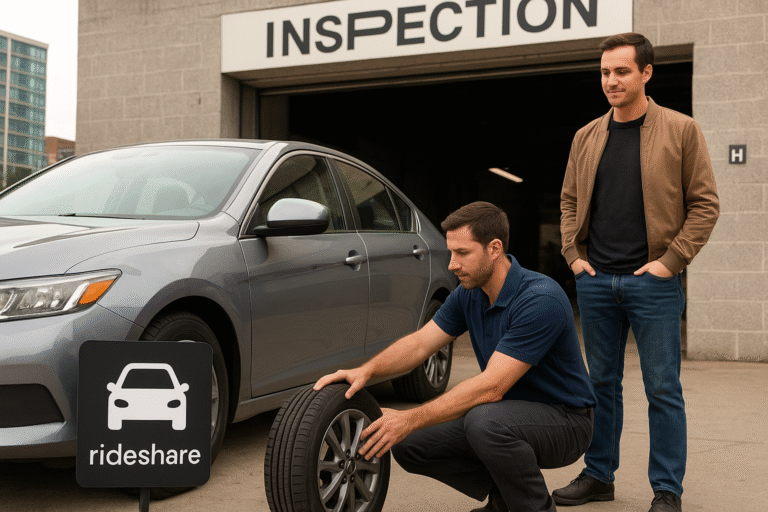
- California law does not apply to buses, taxis, or rideshare vehicles like Uber and Lyft.
- However, safety experts recommend parents bring a portable car seat when possible.
Penalties for Violating California Car Seat Laws
First-Time Offense
- Minimum fine of $100 plus additional court fees.
- One point may be added to your DMV record.
Repeat Violations
- Fines increase to $250 or more.
- Multiple violations can lead to higher insurance premiums.
Car Seat Safety Laws California: Best Practices for Parents
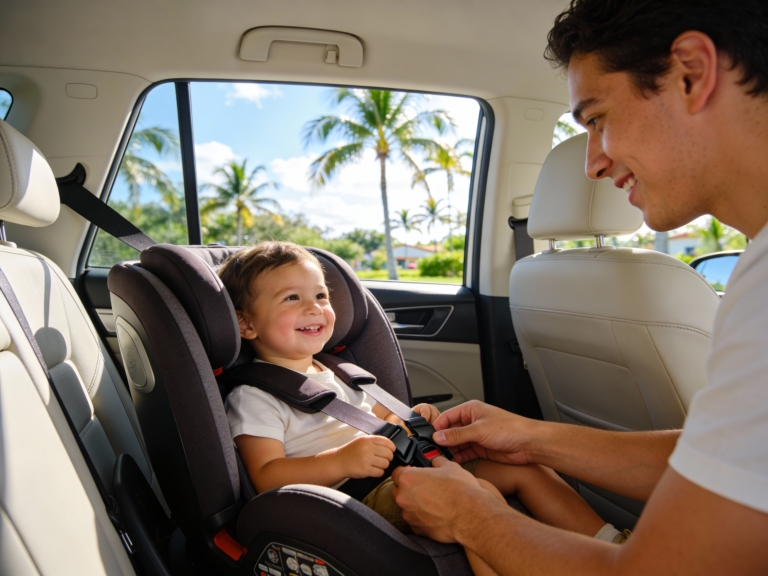
How to Install a Car Seat Correctly
- Always follow the manufacturer’s instructions.
- Ensure the seat doesn’t move more than an inch side-to-side.
- Use either the LATCH system or the seat belt—never both.
Common Mistakes to Avoid
- Using an expired or second-hand seat.
- Placing a car seat in the front seat with an active airbag.
- Improper harness positioning (straps should be snug at armpit level).
Car Seat Expiration and Replacement
- Most car seats expire after 6–10 years.
- Replace seats after moderate to severe crashes.
Special Considerations in California
Children with Special Needs
- Specialized seats are available for children with medical conditions.
- Parents can consult their pediatrician or the California Highway Patrol for guidance.
Rideshare and Taxi Regulations
- Although not legally required, parents should bring a travel car seat for younger children.
- Some rideshare companies offer “car seat options” for an additional fee.
Resources for Parents
- California Highway Patrol (CHP) offers free car seat inspection events.
- Many counties provide free or low-cost car seats for qualifying families.
- Visit California Office of Traffic Safety for updated information.
FAQs on California Car Seat Laws
1. What is the California car seat law for infants?
Infants under 2 must ride in a rear-facing seat unless they are over 40 lbs or 40 inches tall.
2. At what age can my child use a booster seat in California?
Children typically transition to a booster between 4–8 years, depending on size.
3. Do California car seat laws apply in Uber or Lyft?
No, but bringing your own car seat is highly recommended for safety.
4. Can a child sit in the front seat in California?
Children under 8 years old must sit in the back seat.
5. What are the penalties for breaking California car seat laws?
First offense: $100 fine, repeat offense: $250 or more.
6. How do I know if my car seat is installed correctly?
Schedule a free inspection at a CHP office or car seat check event.
Conclusion: Staying Safe and Legal on California Roads
Understanding and following the California car seat law is about more than avoiding fines—it’s about protecting your child’s life. From infant rear-facing requirements to booster seat rules, California emphasizes safety at every stage of childhood. By following these laws and best practices, you can drive confidently, knowing your child is safe, secure, and protected.
California Office of Traffic Safety (OTS)