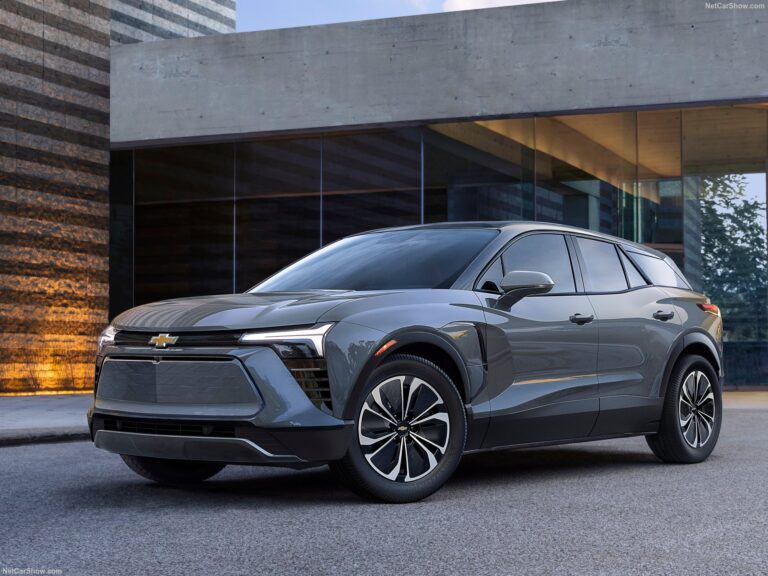

Do electric cars need oil changes? It’s one of the most common questions among car buyers transitioning to electric vehicles (EVs). With the global shift toward cleaner transportation, understanding how electric vehicle maintenance differs from that of traditional gas-powered cars is essential. This guide unveils the facts, debunks the myths, and walks you through what EV owners truly need to know.
Understanding How Electric Vehicles Work
What Powers an Electric Car
Electric vehicles are propelled by electric motors powered by a rechargeable battery pack. Unlike internal combustion engine (ICE) vehicles, which rely on a complex system of moving engine parts, pistons, and crankshafts, EVs convert electrical energy directly into mechanical energy.
Difference Between EVs and Internal Combustion Engines
Traditional cars use gasoline or diesel to generate energy through combustion, which creates friction and heat—requiring regular lubrication via engine oil. EVs, on the other hand, have no combustion process. With fewer moving parts, they eliminate the need for many traditional maintenance routines, including oil changes.
Why Electric Cars Don’t Require Traditional Oil Changes
No Engine Oil in EVs
The electric motors used in EVs do not use engine oil. Since there is no internal combustion, there’s no need for oil to lubricate pistons or valves. That means no routine engine oil changes—a major advantage for electric vehicle owners.
Role of Lubrication in Electric Motors
While electric motors may require a minimal amount of lubrication for components like bearings or gear reductions (especially in high-performance models), this is not comparable to the regular oil changes needed in combustion engines. These systems are usually sealed and rarely, if ever, require user attention.
Fluids That EVs Still Need
Even though EVs skip engine oil, they’re not entirely fluid-free. Here’s a look at the essential fluids still required:
Coolant
Electric vehicles use a liquid coolant to regulate the temperature of the battery, inverter, and onboard charger. Maintaining this fluid is critical to ensuring battery performance and longevity.
Brake Fluid
Like all vehicles, EVs rely on hydraulic brake fluid. Although regenerative braking reduces wear on brake components, the fluid still needs occasional replacement to ensure safety.
Transmission Fluid (in Some Models)
Some EVs, particularly performance models or those with complex gear reduction systems, may have a type of transmission fluid or gear oil. However, these typically require much less frequent servicing than ICE vehicles.
Key Differences Between Gas and Electric Vehicle Maintenance
Routine Maintenance Comparison
| Maintenance Task | Gasoline Cars | Electric Vehicles |
|---|---|---|
| Oil Change | Every 3,000–7,000 miles | Not required |
| Air Filter Replacement | Regular | Less frequent |
| Brake Pad Replacement | Frequent | Infrequent (due to regenerative braking) |
| Coolant Change | Yes | Yes (but varies by model) |
| Transmission Service | Yes | Rarely, if ever |
Cost of Ownership Over Time
Electric cars typically offer lower maintenance costs, saving drivers hundreds—if not thousands—of dollars over the vehicle’s lifetime. Fewer fluids, fewer moving parts, and less wear on brakes add up to significant savings.
Common Misconceptions About EV Maintenance
“EVs are Maintenance-Free” Myth
While EVs require less maintenance, they are not maintenance-free. Components like tires, suspension systems, cabin air filters, and wiper blades still need regular inspection and servicing.
Hidden Maintenance Areas
Battery health, charging port integrity, and software updates are newer areas of concern in EVs. These require attention even though they don’t involve grease or oil.
EVs That Still Use Some Type of Oil or Fluid Lubricants
Hybrid Vehicles vs Full EVs
Plug-in hybrids (PHEVs) and hybrid electric vehicles (HEVs) still contain internal combustion engines and do require regular oil changes, just like traditional gas cars.
Specialized Gear Lubricants in Some EV Models
Some EV drivetrains include a single-speed gearbox with a minimal amount of oil or lubricant. These systems are generally sealed and require servicing only after 100,000+ miles, if ever.
Do Tesla Cars Need Oil Changes?
Tesla’s Maintenance Schedule
Tesla vehicles, being full battery electric vehicles, do not need oil changes. Tesla recommends checking brake fluid every two years and replacing the cabin air filter every 2–3 years depending on the model.
Real-World Experience from Tesla Owners
Many Tesla owners report virtually zero maintenance issues in the first few years beyond tire rotations and occasional fluid checks. The simplicity is a strong selling point.
The Importance of Scheduled Maintenance for Electric Vehicles
Battery Health Checks
Battery performance can degrade over time. Manufacturers recommend periodic diagnostics to assess capacity, charge cycles, and cooling system function.
Software Updates
Unlike traditional vehicles, many EVs can receive over-the-air updates, improving performance, safety, and even range. These updates often replace mechanical tweaks.
Tire Rotation and Alignment
EVs are heavier than gas vehicles due to their batteries. Regular tire rotations help maintain even wear and preserve range.
Maintenance Checklist for Electric Vehicles
Weekly/Monthly Checks
- Check tire pressure
- Inspect for fluid leaks
- Review software notifications
Annual Servicing
- Brake system inspection
- Coolant check (if applicable)
- Cabin air filter replacement
- Professional battery diagnostic
Environmental Benefits of Reduced Maintenance in EVs
Less Oil Waste
Since EVs don’t need engine oil, they reduce the production and disposal of used motor oil, which is often an environmental hazard.
Lower Emissions from Service Centers
Fewer maintenance visits mean less energy spent on manufacturing, transporting, and disposing of auto parts, contributing to a greener planet.
How to Find a Mechanic for Your Electric Vehicle
Dealership vs Independent EV Specialist
Most EV manufacturers offer certified service centers, but a growing number of independent EV mechanics now cater to common repairs and diagnostics.
Certifications to Look For
Look for mechanics certified in EV Safety and High Voltage Systems, such as ASE L3 certification, to ensure they’re qualified for EV service.
What Happens If You Don’t Service an EV Properly?
Risks to Battery and Cooling System
Skipping maintenance can result in battery overheating, reduced range, or even failure. Coolant neglect can lead to expensive repairs.
Long-Term Repair Costs
Minor issues, if left unchecked, can evolve into major problems. Battery replacements remain the most expensive EV repair, costing upwards of $10,000 in some cases.
Pros and Cons of EV Maintenance Simplicity
Pros of Lower Maintenance
- Fewer service appointments
- Lower total cost of ownership
- Environmentally friendly
Cons of Specialized Repairs
- Fewer trained mechanics (though increasing)
- High cost for rare components like battery packs
- Limited service options in remote areas
The Future of Car Maintenance in an Electric World
Predictive Maintenance with AI
Advanced EVs are using machine learning and AI to predict component wear and schedule service proactively—reducing surprises and improving safety.
Over-the-Air (OTA) Updates
OTA software updates have replaced many traditional recalls, allowing manufacturers to fix bugs, improve systems, and deliver new features remotely.
Frequently Asked Questions
Do electric cars need oil changes?
No. Fully electric cars do not require oil changes because they don’t have internal combustion engines that need engine lubrication.
How often should I service my EV?
EVs should be serviced annually or as recommended by the manufacturer. Key items include brake fluid, coolant, and tire rotation.
What fluids do electric cars still use?
EVs use coolant, brake fluid, and sometimes transmission or gear lubricants. These are minimal and less frequent than in gas cars.
Do Teslas need oil changes?
No. Teslas are fully electric and do not require oil changes. Tesla’s maintenance involves software updates, tire service, and fluid checks.
Are EVs truly maintenance-free?
Not entirely. While they require less maintenance, EVs still need periodic inspections, fluid replacements, and tire servicing.
How much does EV maintenance cost?
On average, EV maintenance costs 30–50% less than that of gas-powered vehicles over a 5-year span.
Conclusion: Simplified Maintenance, Same Responsibility
So, do electric cars need oil changes? The clear answer is no—but that doesn’t mean you can skip maintenance entirely. Electric vehicles simplify car ownership with fewer service needs and lower long-term costs. But like any machine, they require care, attention, and a basic understanding of how they work. Owning an EV means less time in the shop and more time on the road—with a cleaner, greener footprint.
U.S. Department of Energy – Electric Vehicle Maintenance