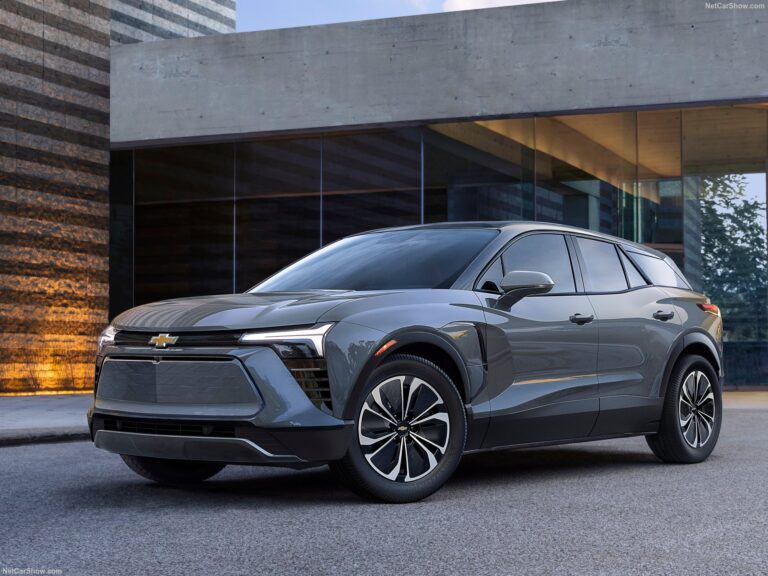

What Makes EVs Different from Gasoline Cars
Electric vehicles (EVs) have taken the automotive world by storm, offering a cleaner, more efficient alternative to traditional internal combustion engine (ICE) cars. Unlike their gasoline counterparts, EVs operate using electric motors powered by battery packs. This fundamental shift changes not only how we fuel cars but also how we maintain them.
Key Components of an Electric Vehicle
While a gas-powered car contains hundreds of moving parts—including pistons, valves, crankshafts, and more—EVs are mechanically simpler. Key EV components include:
- Battery Pack: Stores energy.
- Electric Motor: Converts electricity into motion.
- Inverter: Converts direct current (DC) to alternating current (AC).
- Reducer/Gearbox: Adjusts power output to the wheels.
No spark plugs, fuel lines, or exhaust systems. And crucially—no engine oil.
The Role of Oil in Traditional Gas-Powered Vehicles
Engine Oil and Its Purpose
In a conventional car, engine oil serves as a vital lubricant. It reduces friction between moving engine parts, prevents overheating, and helps clean internal components. Without it, engines would wear out quickly or seize entirely.
Transmission and Differential Oil in Gas Cars
Besides engine oil, gas vehicles also use:
- Transmission fluid (automatic or manual)
- Differential oil (for axle lubrication)
- Power steering fluid
These fluids are essential for smooth operation but require regular changes—costing time and money.
Do Electric Cars Use Oil at All?
Common Misconceptions About EVs and Oil
One of the biggest myths is that EVs are “completely oil-free.” While it’s true that electric motors don’t need engine oil, that doesn’t mean zero fluids are used throughout the car.
Why Electric Cars Don’t Need Engine Oil
Here’s the key fact: electric motors operate without combustion or pistons. There’s no need for lubrication to reduce internal engine friction. That’s why EVs don’t require engine oil at all.
Do Electric Cars Use Transmission Oil?
How EV Transmissions Differ
EVs usually operate with single-speed transmissions—unlike multi-gear setups in gas cars. This dramatically simplifies the drivetrain. However, these systems still have moving parts like bearings and gearsets.
Situations Where EVs May Use Lubricants
Although EVs skip engine oil, some EV gearboxes use a special type of lubricant to maintain performance and longevity.
One-Speed Gear Reduction Units
Even with one-speed gear reducers, lubrication is needed to minimize wear and heat. These fluids aren’t typical transmission oil but specially formulated greases or synthetic lubricants.
Thermal Management Lubricants
Some EVs, especially performance models like Tesla’s, use coolant-lubricant blends to regulate temperature in electric motors and gearboxes.
Types of Fluids Still Required in EVs
EVs are not “fluid-free.” Here’s what most still use:
Brake Fluid
All cars with hydraulic brake systems require brake fluid. EVs are no exception, although they use regenerative braking to reduce wear.
Coolant for Battery Systems
High-voltage battery packs must stay cool. Specialized coolants circulate through battery and inverter systems.
Windshield Washer Fluid
Yes—good old washer fluid remains part of every EV’s maintenance checklist.
EV Maintenance vs. Traditional Car Maintenance
Maintenance Checklist Comparison
When comparing electric vehicles (EVs) to internal combustion engine (ICE) vehicles, the difference in maintenance requirements is dramatic. Here’s a breakdown:
| Component | Gas-Powered Car | Electric Vehicle (EV) |
|---|---|---|
| Engine Oil | Change every 3,000–7,000 miles | ❌ Not required |
| Transmission Fluid | Required (every 30,000–60,000 miles) | ✅ Some EVs need gear oil |
| Brake Pads | Frequent replacement | ✅ Less frequent (regen braking) |
| Coolant | Engine & radiator cooling | ✅ Battery & inverter cooling |
| Spark Plugs | Required | ❌ Not required |
| Emission System | Catalytic converter, oxygen sensors | ❌ Not applicable |
| Washer Fluid | Required | ✅ Required |
EVs generally need fewer service visits, saving time and cost for owners.
Cost Implications for EV Owners
Owning an EV reduces long-term maintenance expenses. According to a study by the U.S. Department of Energy, EV maintenance costs are 40% lower on average compared to gas cars. No oil changes, fewer brake replacements, and less fluid servicing all contribute to savings.
Transmission Systems in EVs Explained
Single-Speed vs Multi-Speed Gearboxes
Most EVs, including popular models like the Tesla Model 3 or Nissan Leaf, use single-speed gearboxes. These simplified systems eliminate the need for complex shifting and significantly reduce mechanical stress.
However, some high-performance EVs (like the Porsche Taycan) use multi-speed transmissions for better torque and high-speed efficiency. These systems require more advanced lubricants and periodic checks.
Role of Lubrication in Reduction Gears
Even in single-speed setups, EVs use reduction gears that convert high-speed motor rotation into usable torque for the wheels. These gears require gear oil—often synthetic and engineered for high temperature and load conditions.
EV Models That Use Transmission Oil
Not all EVs are the same when it comes to lubricants. Here’s a look at some mainstream models:
Tesla Models
Tesla vehicles use gear oil or transaxle fluid in their drive units. For example, the Tesla Model S and Model X use Tesla-specific synthetic lubricants. These don’t require frequent replacement but are still part of Tesla’s service checklist.
Nissan Leaf
The Leaf uses a reduction gear system that requires lubricating fluid. While it doesn’t require regular oil changes like gas cars, Nissan recommends periodic checks of the gearbox lubricant.
Hyundai Ioniq & Kona
These models use EV-specific transmission oil for their single-speed reducers. Hyundai includes transmission fluid inspections in their long-term service intervals.
Importance of Lubricants in EV Longevity
Thermal Control
Heat is the enemy of efficiency in any electrical system. Lubricants help dissipate heat in gearboxes and drive units, ensuring consistent performance and extending component life.
Minimizing Wear in Moving Parts
While EVs have fewer moving parts, those that do move (bearings, gears, axles) still need proper lubrication. High-grade lubricants reduce wear and prevent early failure, which can be costly.
The Future of EV Lubrication Technology
Specialized EV Lubricants by Mobil, Castrol, etc.
Oil giants like Castrol, Shell, and Mobil have begun creating specialized lubricants tailored for EV needs. These include:
- High dielectric strength oils for e-motors
- Gear oils compatible with copper windings
- Coolant-lubricant blends for integrated thermal systems
Trends in Solid-State Lubrication
As EVs evolve, researchers are exploring solid-state lubricants—materials that require zero fluid while maintaining low friction. These could revolutionize maintenance and eliminate leaks altogether.
Environmental Impact: EVs vs Gas Cars
Oil Consumption Reduction
Electric vehicles significantly reduce the world’s reliance on oil—not just at the pump but also in maintenance. Eliminating engine oil changes cuts down on waste oil disposal and pollution.
Lower Risk of Oil Spills and Leaks
Fewer fluids mean fewer opportunities for harmful leaks. EVs present a cleaner option for both urban and rural environments, reducing groundwater and soil contamination risks.
Common Myths About EV Fluids Debunked
“EVs Need No Fluids”
False. While EVs use fewer fluids, they still rely on:
- Coolants
- Brake fluid
- Gear oil in some models
“EVs Are Maintenance-Free”
Another myth. While they require less frequent servicing, EVs still need:
- Tire rotations
- Brake inspections
- Fluid checks (especially gear and coolant)
Expert Opinions on EV Lubrication Needs
Industry Insights from Automotive Engineers
EV designers highlight the need for precise lubrication in gear reduction units and cooling systems. According to experts at SAE (Society of Automotive Engineers), proper lubrication is critical to motor longevity and efficiency.
EV Technicians on Routine Servicing
Certified EV technicians note that transmission oil in EVs isn’t an afterthought. Even though it doesn’t degrade as quickly as engine oil, it should still be monitored, especially after high-mileage use or heavy driving.
Manufacturer Recommendations for Transmission Fluids in EVs
Tesla Service Guidelines
Tesla doesn’t recommend frequent fluid changes but includes gear oil inspections in its 4-year or 50,000-mile service plan. Service centers use Tesla-specific lubricants only.
Hyundai & Ford EV Manuals
Hyundai recommends transmission fluid checks every 120,000 miles. Ford’s Mustang Mach-E has sealed units, but fluid level checks are part of annual inspections.
FAQs: Do Electric Cars Use Oil?
Do electric cars need engine oil?
No. Electric cars do not have internal combustion engines, so they don’t need engine oil.
What kind of oil do EVs use, if any?
Some EVs use gearbox lubricants or thermal management fluids—not traditional motor oil.
How often should I service my EV’s transmission system?
Most manufacturers recommend inspections every 100,000–120,000 miles, but always check your vehicle’s manual.
Can I use regular oil in an EV transmission?
No. EVs require special synthetic lubricants formulated for electric gear units.
Which EV brands still require transmission fluid changes?
Brands like Nissan, Hyundai, and Tesla include transmission lubricant checks in their long-term service schedules.
Are oil leaks possible in electric vehicles?
While rare, gearbox oil leaks can happen in EVs and should be addressed by a certified technician.
Conclusion: What Every EV Owner Should Know About Oil
Summary of EV Oil Usage
To put it plainly—electric cars don’t use engine oil, but they do use select lubricants in their gear systems and thermal controls. The days of messy oil changes are behind us, but maintenance hasn’t vanished altogether.
Future Maintenance Trends for EVs
As EV technology matures, expect longer service intervals, smarter diagnostics, and fluid-free designs to become the norm. Still, understanding your EV’s lubrication needs helps you protect your investment and enjoy a smoother ride.
🔗 External Resource: U.S. Department of Energy – Electric Vehicle Maintenance