
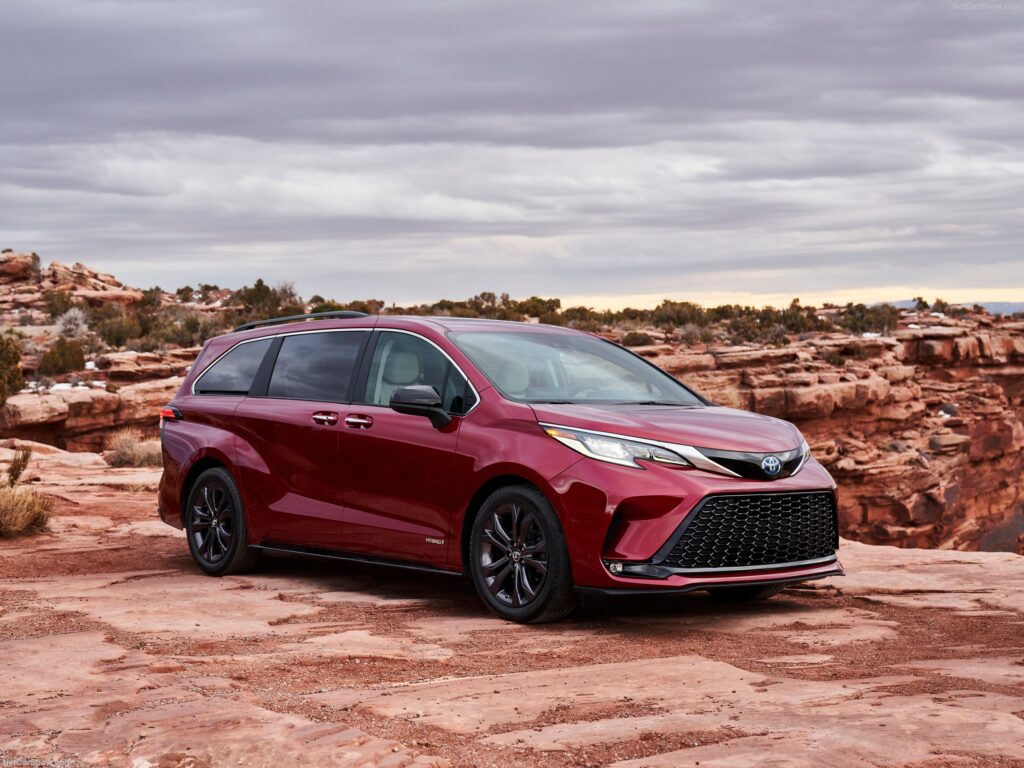
Finding the right mobility vehicle changes lives. It brings back freedom, makes daily errands easier, and takes the stress out of family road trips. In 2026, the Toyota Sienna wheelchair accessible van stands out as the absolute favorite among families, caregivers, and independent wheelchair users.
Why does it remain so popular? The answer comes down to incredible fuel efficiency, a highly reliable hybrid engine, and a spacious interior that handles mobility conversions beautifully. However, buying a wheelchair van is a massive financial and personal decision. The market offers dozens of options, different ramp styles, varying entry points, and completely different price tags.
This comprehensive guide will help you understand everything you need to know about the Toyota Sienna wheelchair van. We will break down your conversion choices, compare it to top competitors, give you honest cost estimates, explain the hybrid system’s performance, and walk you through insurance and financing options. By the end of this guide, you will have all the facts needed to make the best choice for your family.
Why the Toyota Sienna Dominates the Wheelchair Conversion Market
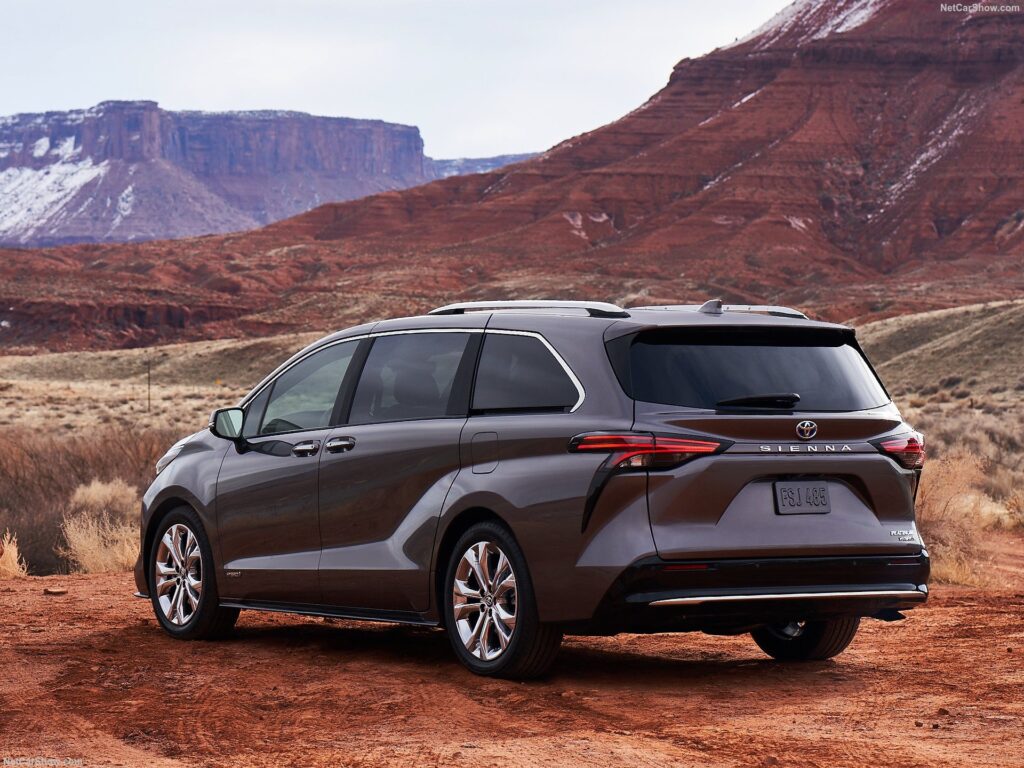
The minivan market looks very different today than it did a decade ago. While many automakers abandoned minivans for SUVs, Toyota doubled down on the Sienna. They transformed it into a standard hybrid vehicle and gave it an aggressive, modern design that looks nothing like traditional medical transport vehicles.
Mobility manufacturers quickly realized that the Sienna’s platform is almost perfect for structural modifications. Converting a standard minivan into a Toyota Sienna wheelchair accessible vehicle requires cutting the floor, rerouting the exhaust system, and modifying the suspension. The 2026 Toyota Sienna handles these extreme changes without sacrificing ride quality or structural safety.
Furthermore, mobility users often spend extra time idling during loading and unloading. The hybrid system shines here. The van runs on battery power during these moments rather than burning gas. This feature alone makes the Toyota Sienna mobility conversion a top-tier choice for daily drivers, ride-share operators, and long-distance travelers alike.
Key Features of Toyota Sienna Wheelchair Accessible Models
When you choose a Toyota Sienna for a mobility conversion, you get a unique blend of factory features and aftermarket accessibility improvements. Here is what you can expect from a fully converted 2026 model:
- Standard Hybrid Powertrain: Every 2026 Sienna comes with a 2.5-liter four-cylinder engine paired with electric motors. Even after engineers add heavy conversion equipment, it delivers excellent fuel economy.
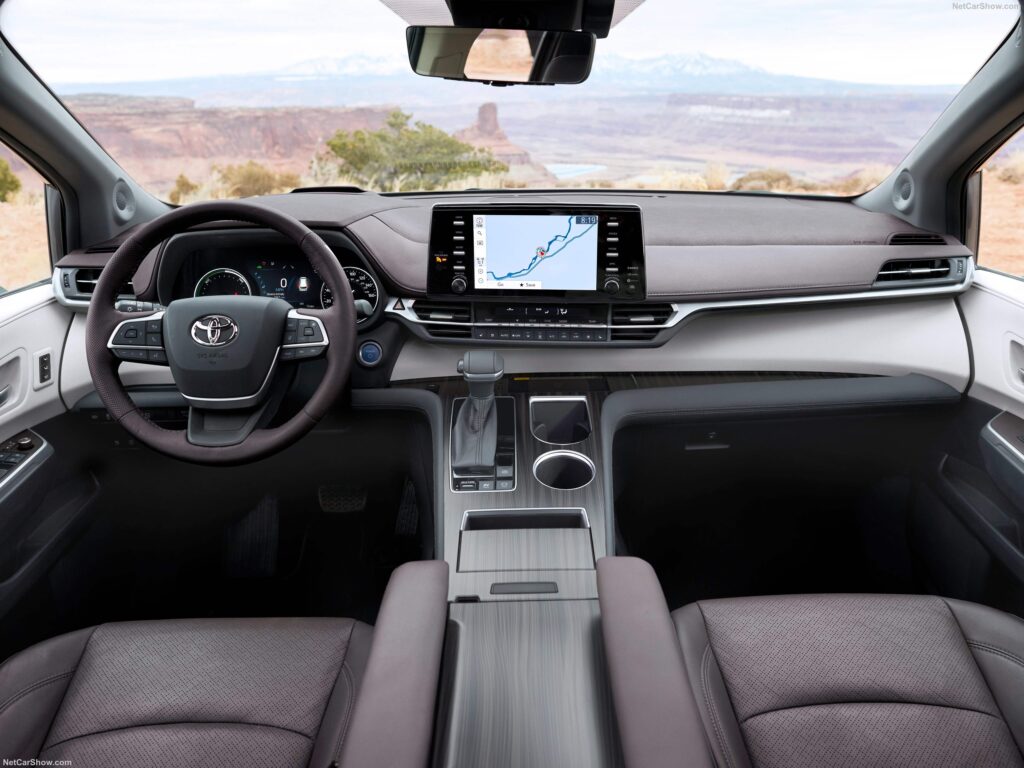
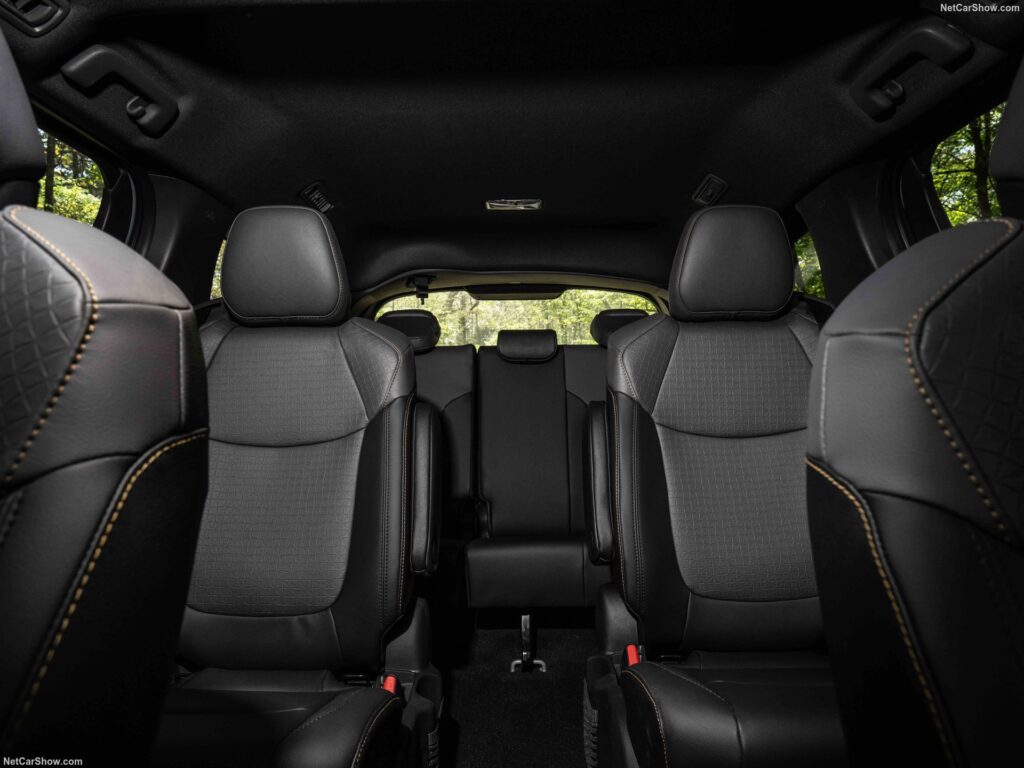
- Spacious Cabin Design: The Sienna features a wide interior. Mobility engineers use this space to offer excellent turning radiuses for complex power wheelchairs inside the cabin.
- Advanced Safety Sense 3.0: Toyota’s latest safety suite includes pre-collision systems, lane departure alerts, and adaptive cruise control. Top conversion companies carefully integrate their modifications so they do not interfere with these vital sensors.
- Power Sliding Doors: Essential for side entry conversions, the factory power doors sync seamlessly with aftermarket power ramps. You can open the door, lower the vehicle’s suspension, and deploy the ramp with a single button press on your key fob.
- All-Wheel Drive Compatibility: Unlike older van generations, top conversion companies now offer modifications for AWD Sienna models. This is a game-changer for wheelchair users navigating snowy climates, steep driveways, or rural areas.
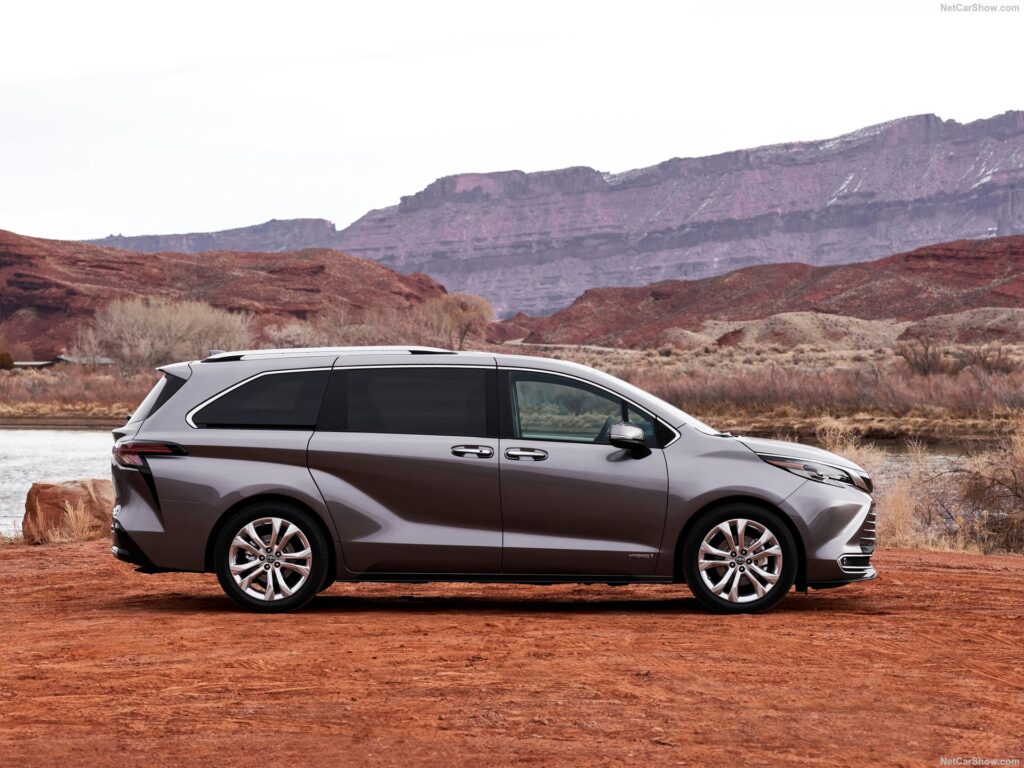
Toyota Sienna vs. Chrysler Pacifica Wheelchair Van (2026 Comparison)
If you are shopping for a mobility van, you will inevitably compare the Toyota Sienna against the Chrysler Pacifica. Both are excellent vehicles, but they cater to very different needs. The Pacifica offers a traditional V6 gas engine and a Plug-in Hybrid (PHEV) option, but converting the PHEV Pacifica is extremely difficult due to the large battery placement under the floor. Conversely, Toyota placed the Sienna’s hybrid battery under the front seats, making the floor-lowering process much smoother.
Here is how the two heavyweights compare in 2026:
| Feature | 2026 Toyota Sienna (Hybrid) | 2026 Chrysler Pacifica (Gas V6) |
|---|---|---|
| Fuel Economy (Converted) | 30 – 33 MPG combined | 16 – 19 MPG combined |
| Hybrid Availability | Standard on all trims | PHEV exists, but rarely converted |
| AWD Availability | Yes (Fully compatible with conversions) | Yes (Compatible with specific conversions) |
| Base Vehicle Cost | Slightly higher starting MSRP | Slightly lower starting MSRP |
| Conversion Flexibility | Excellent (Battery placement is ideal) | Excellent for Gas V6 models |
| Resale Value | Industry-leading. Holds value exceptionally well. | Average. Depreciates faster than the Sienna. |
| Overall Long-Term Cost | Lower (Massive fuel savings offset initial cost) | Higher (Higher fuel consumption, faster depreciation) |
Side Entry vs Rear Entry Conversions
The most important decision you will make is choosing between a side entry and a rear entry conversion. This choice impacts where the wheelchair user sits, where you can park, and your final purchase price.
Side Entry Conversions
A Toyota Sienna side entry conversion involves lowering the entire floor of the minivan from the dashboard to the rear axle. A ramp deploys from the passenger side sliding door. This allows the wheelchair user to sit in the middle row, ride directly in the front passenger seat, or even drive the van directly from their wheelchair using hand controls.
Side entry vans offer ultimate independence. However, you must park in designated handicap spaces with striped access aisles to ensure you have enough room to deploy the ramp.
Rear Entry Conversions
A Toyota Sienna rear entry conversion is much simpler. The modifier cuts a lowered channel into the back of the van, starting from the rear hatch and extending to the middle row. The ramp manually folds out of the trunk area.
Because only the rear section requires modification, rear entry vans cost significantly less. You can park in any standard parking spot since the ramp comes out the back. However, the wheelchair user must ride in the back, and they physically cannot drive the vehicle.
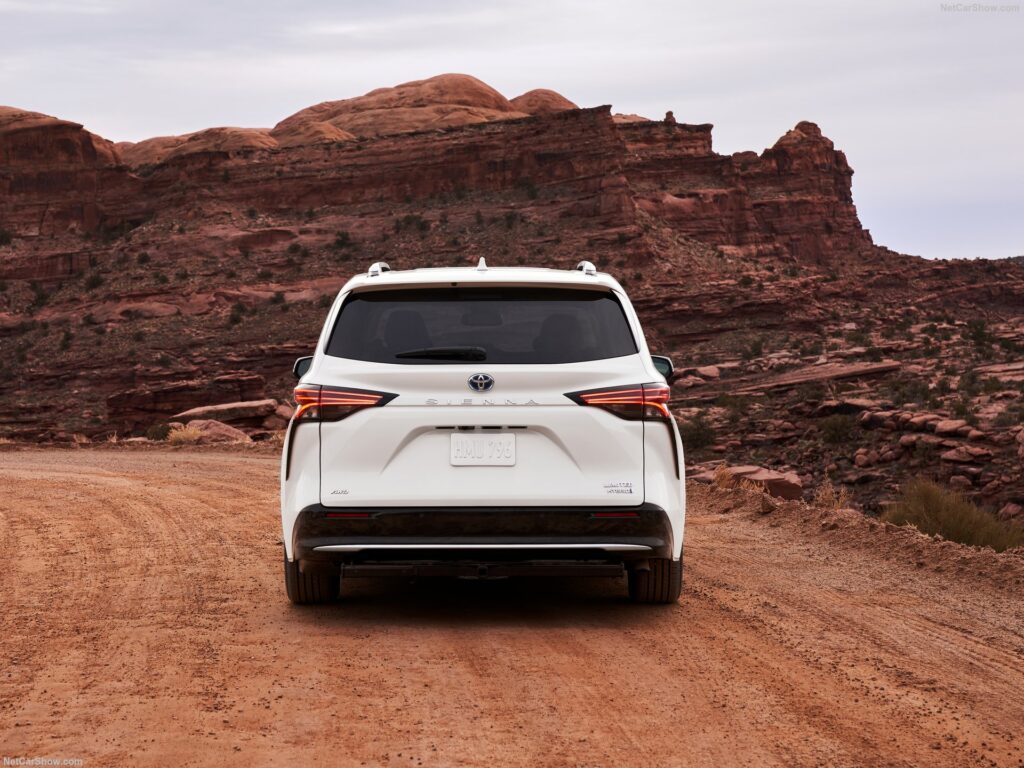
Comparing Ramp Styles: Side Fold-Out vs. Side In-Floor vs. Rear Entry
If you choose a side entry van, you must decide between a fold-out ramp and an in-floor ramp. Use this table to understand the maintenance levels and long-term impact of each option.
| Ramp Type | How It Works | Best Environment | Maintenance Level | Cost Impact |
|---|---|---|---|---|
| Side Fold-Out | Rests upright inside the door. Folds outward to the ground. | Snowy, dirt roads, rural areas. Debris easily sweeps off. | Low. Easy to access hinges and motors. | Standard side-entry cost. |
| Side In-Floor | Slides out from a hidden cassette under the floor. Keeps doorway clear. | Cities, mild climates, families with able-bodied passengers. | High. Dirt/gravel gets trapped inside the floor cassette. | Usually adds $1,500 – $3,000 to conversion cost. |
| Rear Manual | Folds out of the rear trunk space on spring-assisted hinges. | Caregivers, commercial transport, tight parking environments. | Very Low. No complex motors or electronics to fail. | Saves $15,000+ compared to power side-entry. |
Which 2026 Sienna Trims Work Best for Conversion?
Not every Toyota Sienna trim level works well for a mobility conversion. Conversion companies generally require specific seating configurations (usually 7-passenger setups) and factory options. Here is how the 2026 trims stack up:
- LE: Excellent for budget-conscious buyers. Includes dual power sliding doors, which are mandatory for side-entry conversions.
- XLE: The absolute most popular choice. It adds synthetic leather (SofTex) seating. SofTex is incredibly durable and easy to clean—a major benefit for mobility users. It also features a power liftgate.
- Woodland Edition: Great for buyers who want standard AWD and a slightly more rugged look. Modifiers successfully convert these, but you must specify you want an AWD conversion kit.
- Limited: Good for luxury buyers. Note that engineers may need to slightly modify premium audio subwoofers or under-seat entertainment features during the floor-lowering process.
- Platinum: Fair. The extensive factory electronics, 360-degree cameras, and premium seating make conversions highly complex and expensive. Some mobility dealers will not convert Platinum trims.
Most certified mobility dealers strongly recommend the XLE trim. It provides the perfect balance of comfort, daily utility, and seamless compatibility with power conversion systems.
Cost Breakdown (New, Used, and Conversion-Only Options)
Let’s talk about the reality of the Toyota Sienna hybrid wheelchair van cost. Buying a mobility van means you are essentially buying a vehicle and a half. You pay for a brand-new high-tech minivan, plus tens of thousands of dollars in custom engineering, crash testing, and robotics.
Prices fluctuate based on the dealership, the brand of the conversion (such as BraunAbility or VMI), and the trim of the van. Below is a realistic look at what you can expect to spend in 2026.
| Vehicle / Conversion Type | Estimated Cost in 2026 (USD) | What is Included? |
|---|---|---|
| Brand New Sienna + Power Side Entry | $82,000 – $98,000+ | New 2026 Sienna, fully lowered floor, power ramp, kneeling system, tie-downs. |
| Brand New Sienna + Manual Rear Entry | $58,000 – $68,000 | New 2026 Sienna, rear channel modification, manual ramp system. |
| Customer-Supplied Sienna Conversion | $20,000 – $35,000 | You provide a compatible low-mileage Sienna; the dealer installs the conversion. |
| Late Model Used (2021-2024) Side Entry | $55,000 – $75,000 | Pre-owned hybrid Sienna with an existing side entry power conversion. |
| Older Gen Used (2015-2020) Side Entry | $35,000 – $50,000 | Non-hybrid V6 Sienna. Higher mileage, older conversion technology. |
Insurance Cost for a Toyota Sienna Wheelchair Van
Buyers often overlook mobility van insurance until after they purchase the vehicle. Insuring a wheelchair van costs more than a standard minivan because the replacement value is significantly higher.
If you buy a standard auto policy for a $45,000 Sienna, the insurance company will only cover the base van. If you get into an accident and total the vehicle, you will lose the $35,000 you spent on the conversion equipment. To protect your investment, you must purchase an Adaptive Equipment Rider or a specialized mobility policy.
- Personal Policies: Expect to pay anywhere from $1,800 to $3,500 annually for full coverage with an adaptive equipment rider, depending on your state and driving record.
- Commercial Policies: If you use the van for a group home, NEMT (Non-Emergency Medical Transportation), or assisted living facility, you need a commercial policy. These typically range from $4,000 to $7,000 annually per vehicle.
Pro Tip to lower insurance costs: Bundle your mobility van insurance with your home insurance, and ask your agent if they offer discounts for vehicles kept in a locked garage, as wheelchair vans are high-value targets for theft in some regions.
Long-Term Ownership Cost Breakdown
While the initial sticker price is high, the 2026 Toyota Sienna mobility conversion dominates the long-term ownership game.
1. Fuel Savings vs Older Vans
Older V6 mobility vans achieved roughly 15 MPG in real-world city driving. The 2026 Sienna hybrid wheelchair van achieves roughly 32 MPG. If you drive 12,000 miles a year, the V6 uses 800 gallons of gas. The Sienna uses only 375 gallons. At $3.50 a gallon, the Sienna saves you nearly $1,500 every single year on fuel alone. Over a 10-year lifespan, that is $15,000 back in your pocket.
2. Ramp and Conversion Maintenance
You must factor in the cost of maintaining the conversion. Professional bi-annual inspections, lubricating the kneeling chain, and adjusting the door tracks generally cost between $200 and $500 per year. Skipping this maintenance will result in expensive emergency repairs.
3. Hybrid Battery Longevity
Buyers often worry about the hybrid battery failing. Fortunately, Toyota offers a phenomenal factory warranty. The hybrid battery is covered for 10 years or 150,000 miles. Because conversion companies meticulously protect the battery during the floor-lowering process, this warranty remains intact.
Financing Options and Grants
Paying for a Toyota Sienna handicap van rarely happens in cash. Mobility dealers work with specialty lenders who understand the value of the conversion equipment. Standard auto lenders often refuse to finance the conversion cost, so using a mobility-specific lender is crucial.
You do not have to shoulder the burden alone. Several resources provide financial aid:
- Veterans Affairs (VA): The VA offers Form 21-4502 (Auto Allowance Grant) and adaptive equipment grants for veterans with service-connected disabilities. In many cases, the VA pays for the entire conversion.
- Toyota Mobility Rebate: Toyota currently offers a $1,000 cash reimbursement program for customers who purchase a new converted vehicle.
- State Medicaid Waivers: Certain state Medicaid programs have waivers that cover vehicle modifications. Speak with your state caseworker to verify your eligibility.
- Special Needs Trusts: Families can use funds from a special needs trust to purchase accessible vehicles without jeopardizing government benefits like SSI.
Safety Features and ADA Compliance
Safety is the primary reason you must buy from certified conversion companies rather than independent local welding shops. Major modifiers like BraunAbility and VMI heavily crash-test their vehicles to ensure they meet or exceed Federal Motor Vehicle Safety Standards (FMVSS).
If you use your van for commercial transport, you need a Toyota Sienna ADA compliant van. The Americans with Disabilities Act mandates strict rules:
- Door Opening Height: The side or rear door opening must measure at least 56 inches high.
- Ramp Width: The ramp must have a clear, unobstructed width of at least 30 inches.
- Securement System: The van must utilize crash-tested wheelchair tie-downs (like the industry-standard Q’Straint systems) and provide a 3-point lap/shoulder seatbelt specifically routed for the wheelchair user.
Towing Capacity After Conversion
Buyers often make critical mistakes regarding towing. A factory Toyota Sienna boasts a towing capacity of 3,500 pounds. However, a mobility conversion drastically alters the vehicle’s frame and rear suspension.
Important Warning: Most side-entry wheelchair van manufacturers strongly advise against towing heavy loads. The lowered floor eliminates the structural mounting points normally used for a heavy-duty hitch. If you own a rear-entry van, towing is physically impossible because the ramp deploys directly through the rear bumper.
If you own a side-entry van, you may safely install a lightweight Class I hitch for a wheelchair carrier or a bike rack. However, towing a camper or a boat is strictly prohibited and will immediately void your structural warranty.
Maintenance Tips for Mobility Vans
A Toyota Sienna mobility conversion requires you to maintain two separate systems: the Toyota vehicle and the mobility equipment. Keep your van running smoothly with these habits:
- Clean the Door Tracks Daily: The sliding door tracks act as magnets for dirt, leaves, and gravel. If debris builds up, the power door will auto-reverse, and the ramp will fail to deploy. Vacuum the tracks regularly.
- Lubricate Pivot Points: Every three months, spray the ramp hinges with a dry silicone lubricant. Never use wet grease, as it traps dirt and grinds down the metal gears.
- Cycle the Ramp: If you do not ride in the van every day, you must deploy and stow the ramp at least twice a week. This keeps the secondary battery charged and prevents the motors from seizing.
- Winterize Your Ramp: In snowy states, salt causes rapid corrosion. Wash the undercarriage of your van frequently and wipe down the ramp’s aluminum surface after tracking snow inside.
Pros and Cons of the 2026 Sienna Wheelchair Van
Pros
- Exceptional fuel economy for a large van (30+ MPG).
- Hybrid powertrain eliminates heavy gas consumption during long boarding times.
- Very comfortable, car-like ride quality despite the heavy modifications.
- Available with True All-Wheel Drive.
- Modern, aggressive styling perfectly blends in with standard traffic.
- High resale value significantly outperforms competitors.
Cons
- Extremely high initial purchase cost approaches six figures.
- Lowered ground clearance makes steep speed bumps and steep driveways challenging.
- Towing capacity is essentially eliminated.
- In-floor ramps require meticulous, frequent cleaning.
Frequently Asked Questions
1. Can I convert a Toyota Sienna I already own?
Yes, but conversion companies enforce strict rules. The van generally needs to be less than two or three years old, have fewer than 30,000 miles, and possess a clean title with no major accidents. You must provide your VIN to a dealer to confirm trim compatibility.
2. How long does a wheelchair van conversion take?
If you supply your own vehicle for a custom build, it takes roughly 4 to 8 weeks, depending on factory backlog. However, most buyers prefer purchasing pre-converted vans directly off the dealer’s lot, allowing you to drive home the same day.
3. Does modifying the van void the Toyota factory warranty?
No. When you buy from a certified modifier, the unmodified parts of the van (engine, transmission, hybrid battery) remain fully covered by Toyota. The conversion company provides a separate 3-year/36,000-mile warranty for the ramp and lowered floor.
4. Can a heavy power wheelchair fit in the Toyota Sienna?
Yes. Modern side-entry ramps on the Sienna feature weight capacities of 800 to 1,000 lbs. This safely accommodates a heavy adult passenger riding in a complex power wheelchair. Always verify the specific weight rating of your ramp model.
5. What is a kneeling system, and do I need one?
A kneeling system uses an electronic actuator to pull the van’s rear suspension down before the ramp deploys. This lowers the ramp’s incline angle, making it significantly safer and easier to roll a wheelchair inside. It comes standard on most side-entry models and is highly recommended.
6. What happens if the power ramp fails while I am inside?
Every power wheelchair van features a manual backup system. Depending on the design, you either press a release mechanism to disengage the motor and push the ramp out manually, or use a specialized hand-crank tool. Dealers train all buyers on this emergency process.
Who Should Buy the Toyota Sienna Wheelchair Van?
- Families driving more than 10,000 miles per year.
- Independent wheelchair users who want to drive themselves.
- Caregivers needing reliable daily transportation.
- Buyers planning long-term ownership (8–10 years).
Who Should Consider Other Options?
- Buyers under a strict $40,000 budget.
- Families who need to tow boats or campers.
- Commercial operators seeking ultra-low upfront cost.
Final Verdict – Is the Toyota Sienna the Right Choice in 2026?
The 2026 Toyota Sienna wheelchair accessible van remains the undisputed gold standard for personal mobility. While the Chrysler Pacifica remains a capable V6 alternative, the Sienna’s standard hybrid powertrain offers far too much long-term value to ignore. The immense fuel savings over a ten-year lifespan provide incredible financial relief, particularly for caregivers who drive extensively to medical appointments.
Admittedly, the initial cost barrier is incredibly high. If you operate on a strict budget, a manual rear-entry conversion or a certified pre-owned model serves as a fantastic alternative. However, if you demand a reliable, stylish, and highly functional mobility vehicle that seamlessly integrates into modern family life, the converted Toyota Sienna stands unmatched. Take your time, test drive both fold-out and in-floor ramp styles, consult a certified mobility specialist, and confidently claim your independence.
For official specifications and updated MPG ratings, visit the official Toyota page here: Toyota Sienna Official Website.