
You have a vehicle sitting in your driveway or garage. You have not driven it in months, or maybe even years. The license plate stickers show a date that passed a long time ago. Now, you want to get rid of it. But a big question stops you: Can you sell a car with expired registration?
Selling a used vehicle comes with a lot of paperwork. When your tags expire, the process feels even more complicated. You might worry about breaking the law or facing heavy fines from the Department of Motor Vehicles (DMV). Many sellers find themselves confused about whether they need to pay for new tags just to hand the keys over to a buyer.
In this guide, we will break down exactly what you need to know about selling a car without current registration. We will cover the legal rules, state differences, required paperwork, and the risks involved. By the end of this article, you will know exactly how to complete your sale safely, legally, and without unnecessary stress.
Can You Sell a Car With Expired Registration?
The short answer is yes, you can sell a car with expired registration. In the United States, your right to sell a vehicle depends on ownership, not on its current road-legal status.
As long as you hold a clean, valid title in your name, you have the legal right to sell the vehicle. The government does not force you to maintain active tags to transfer ownership. However, while selling the car remains perfectly legal, driving the car without active tags breaks the law.
This creates a unique challenge. You can sell it, but the buyer cannot legally drive it home. Furthermore, potential buyers cannot legally take the car for a test drive on public roads. Therefore, while you have every right to make the sale, you need to handle the logistics carefully to avoid traffic tickets and legal headaches.
Important Note: You must own the vehicle outright or have the legal right to sell it. Expired registration does not affect your ownership rights, but a missing title will completely stop you from selling the car.
What Expired Registration Actually Means
To understand the expired car registration selling rules, we first need to clear up some common confusion. People often mix up the title, the registration, and auto insurance. Each document serves a completely different purpose.
The Car Title (Certificate of Title)
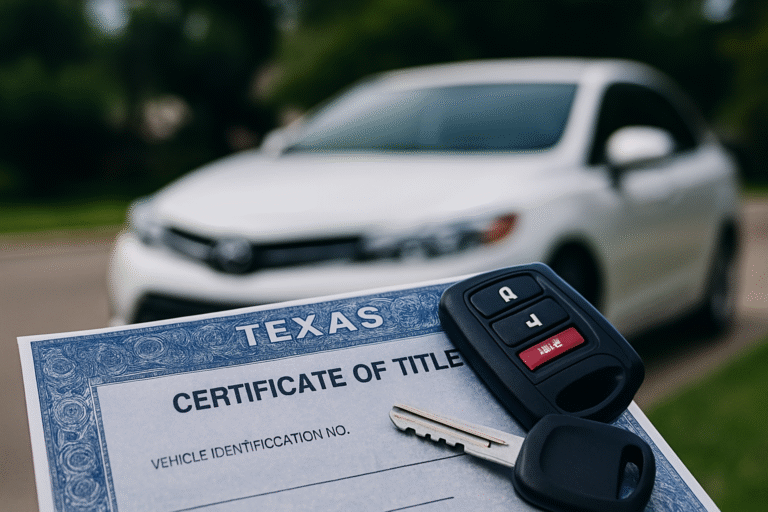
The title proves who actually owns the vehicle. Think of it like the deed to a house. If your name appears on the title, you own the car. You transfer ownership by signing this document over to the buyer. The title never “expires.”
The Vehicle Registration
Registration acts as your permission slip from the state to drive the car on public roads. When you register a vehicle, you pay a tax or fee to the state. In return, the state gives you a paper registration card and stickers for your license plate. These do expire, usually every one or two years. When your registration expires, you lose your right to drive the car on public streets.
Auto Insurance
Insurance protects you financially in case of an accident. Most states require active insurance to get vehicle registration. If you let your registration expire, you likely canceled your insurance too.
“Remember this simple rule: Titles represent ownership. Registrations represent driving privileges. You can transfer ownership without having driving privileges.”
Is It Legal to Sell a Car With Expired Registration?
Yes, it is legal across the United States. No federal law prevents you from selling an unregistered car. You just have to follow your specific state’s guidelines for transferring the title.
However, you face strict limits on what you can do with the car during the sales process. You cannot park an unregistered car on a public street. You cannot allow a buyer to test drive it around the neighborhood. If a police officer catches anyone driving it, they will issue a citation, and they might even impound the vehicle.
Do you need registration to sell a car? No. But you do need a plan. You and the buyer must agree on how to transport the vehicle safely and legally. Usually, this means the buyer must tow the car, or the buyer must visit the DMV to get a temporary transit permit before driving it away.
Documents Required to Sell a Car
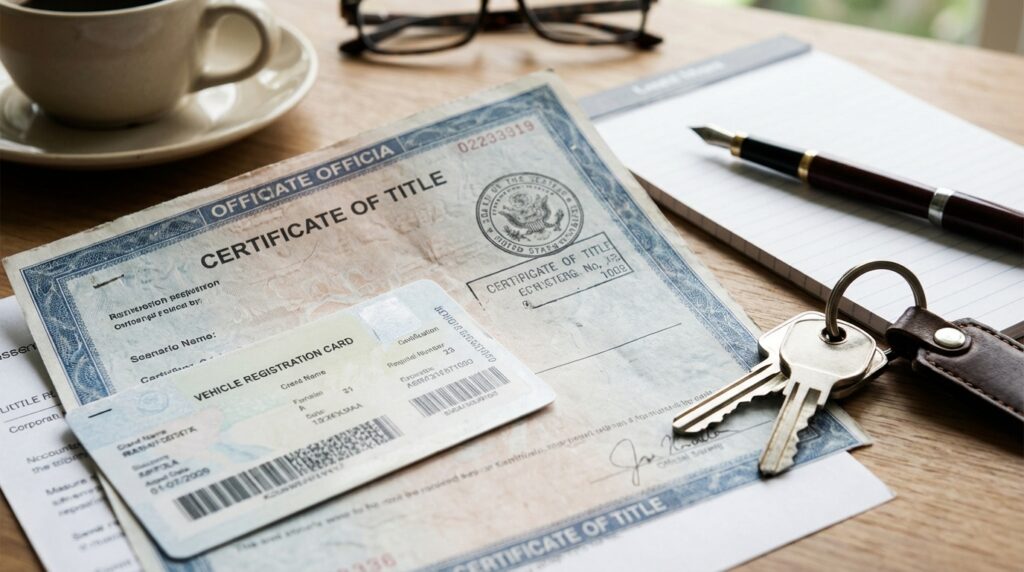
When you sell any vehicle, you must provide the right paperwork. Selling an unregistered car usually requires the exact same documents as selling a registered one. Let us look at what you need to gather.
| Document Name | Is It Required? | Purpose in the Sale |
| Certificate of Title | Yes (Absolutely Mandatory) | Proves you own the car. You must sign this over to the buyer to legally transfer ownership. |
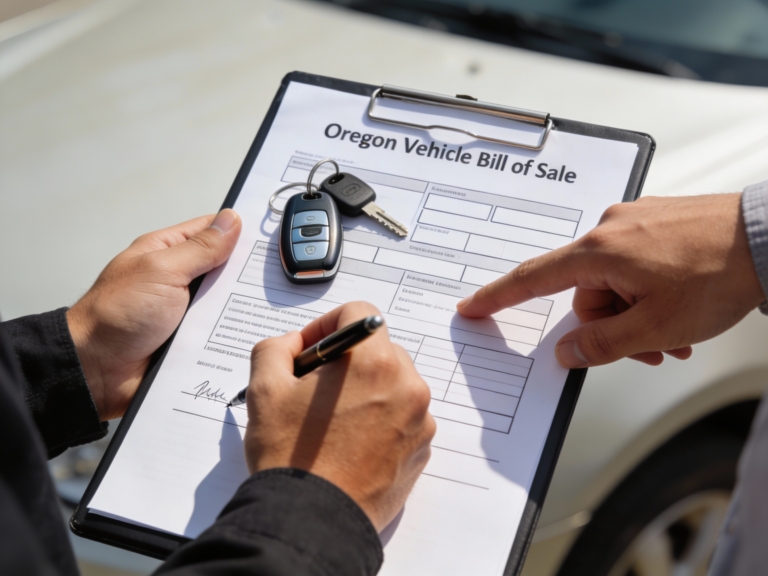
| Bill of Sale | Yes (Required in most states) | Acts as a legal receipt. It records the date, price, and terms of the sale. It protects you from future liability. |
| Odometer Disclosure | Yes (For cars under 20 years old) | Confirms the exact mileage at the time of sale. Often included on the back of the title. |
| Smog / Emissions Certificate | Depends on the State | Proves the car meets environmental standards. States like California require the seller to provide this, even if tags are expired. |
| Valid Identification | Yes | The buyer will want to see your ID to ensure your name matches the name on the title. |
If you lost the title, you face a big hurdle. You cannot sell a car with just a bill of sale in most states. You will need to request a duplicate title from your local DMV before you attempt to sell the vehicle.
Situations Where Selling With Expired Registration Is Allowed
People sell unregistered vehicles every single day. Certain situations make this type of sale very common and completely expected.
1. Selling a Project Car or Classic Car
Car enthusiasts frequently buy and sell vehicles that do not run. If someone buys an old classic to restore in their garage, they do not care about active tags. They plan to tow the car home and spend months or years rebuilding it.
2. Selling a Car for Parts or Scrap
If your car broke down permanently, you might want to sell it to a junkyard or a mechanic for parts. Salvage yards send tow trucks to pick up the vehicle. They only care about the title, not the license plates.
3. Farm and Off-Road Vehicles
Many trucks and utility vehicles spend their entire lives on private farm property. Owners rarely register these vehicles because they never touch a public road. You can freely sell these vehicles to other farmers or property owners.
4. Selling to a Dealership
Many used car dealerships buy cars in any condition. They have dealer plates and private tow trucks. If you sell your unregistered car to a dealer, they handle all the DMV paperwork and transport the car themselves.
Potential Problems Buyers Should Know
While selling is completely legal for you, the buyer takes on several risks. Honest sellers should point these out to avoid angry phone calls later.
The Test Drive Dilemma
Most buyers want to test drive a car before handing over thousands of dollars. With expired tags, a test drive on public roads breaks the law. If you let them drive it, and they cause an accident, you could face massive legal liability because the car still technically belongs to you. You should only allow test drives on private property, like a long driveway or private farm road.
Hidden Back Fees
In several states, the DMV penalizes owners who let their registration expire. When the new owner goes to register the car, the DMV might force them to pay your old late fees. Buyers usually hate surprise fees. You must check your state laws and tell the buyer about any pending penalties.
Towing Expenses
Because the buyer cannot legally drive the car, they must pay for a tow truck or rent a car trailer. This adds extra cost to their purchase. They will likely try to negotiate your asking price down to cover these transport costs.
Important Note: Never let a buyer drive away in an unregistered car using your old license plates. You must remove your plates before they leave. If they run a red light camera or hit someone, the police will come looking for you.
Steps to Sell a Car With Expired Registration Safely
If you want to complete the sale smoothly, follow these practical steps.
Step 1: Be Honest in Your Advertisement
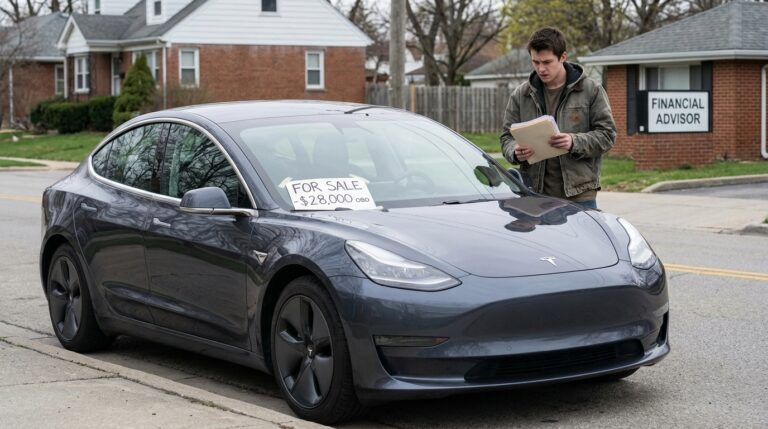
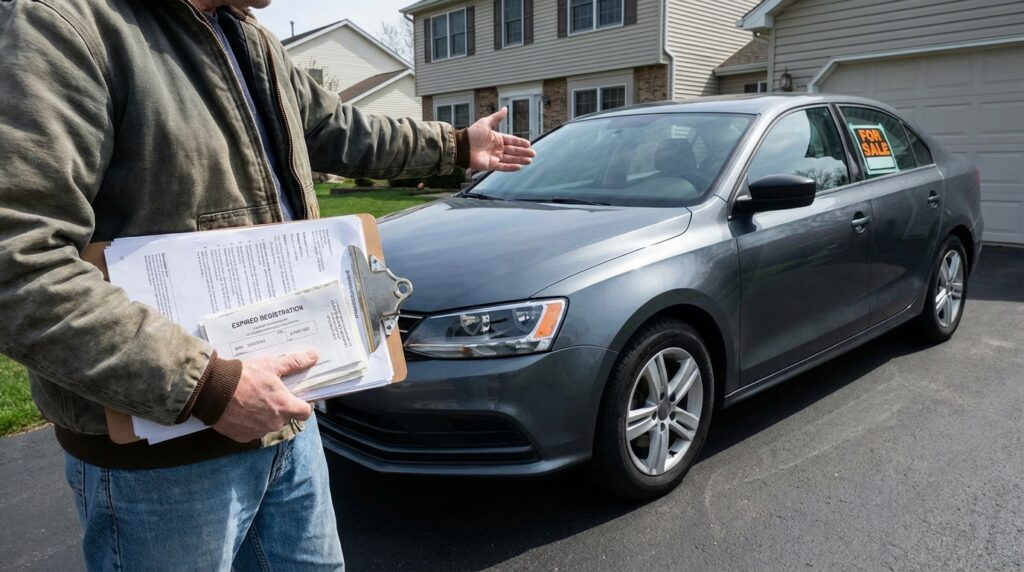
When you post your car on Craigslist, Facebook Marketplace, or other sites, state clearly that the registration is expired. Write something like, “Clean title in hand, but registration expired in 2023. Buyer must tow or get a temporary permit.” Transparency builds trust and weeds out buyers who only want a ready-to-drive car.
Step 2: Check for Outstanding Fees
Call your local DMV or check their website. Give them your license plate or VIN number. Ask if the car owes any back fees or penalties. Knowing this exact dollar amount helps you negotiate fairly with the buyer.
Step 3: Arrange Private Property Viewing
Move the car to your driveway, garage, or private yard. Never attempt to sell a car parked illegally on a public street. Let the buyer inspect the engine, start the car, and check the gears while parked.
Step 4: Draft a Detailed Bill of Sale
Write a clear bill of sale. Include the VIN, make, model, year, sale price, and the exact date and time of the sale. Add a sentence that states, “Vehicle sold as-is with expired registration.” Both you and the buyer must sign and date it. Keep a copy for your records.
Step 5: Sign Over the Title Properly
Sign the back of the title exactly where the seller signature block indicates. Do not cross anything out or make mistakes, as this can void the title. Hand the title to the buyer only after you have the cash in your hand or the bank confirms the transfer.
Step 6: Remove Your License Plates
Take your license plates off the car immediately. Most states require you to return old plates to the DMV or transfer them to your next vehicle. Leaving them on the car invites trouble.
Step 7: Submit a Notice of Transfer and Release of Liability
Many states require you to notify the DMV within a few days of selling a car. You can usually do this online. This step legally disconnects your name from the vehicle, protecting you from future parking tickets or crimes committed with the car.
State Rules May Be Different
The rules for selling an unregistered car vary heavily depending on where you live. Some states make it incredibly easy, while others create financial hurdles. Let us look at a few examples.
| State | Specific Rules for Expired Registration Sales |
| California | The DMV charges heavy late fees for expired tags. The new buyer must pay these back fees unless the seller filed a Planned Non-Operation (PNO) status before the tags expired. Also, the seller must provide a passing smog certificate, even if the car is unregistered, unless selling it as a non-running salvage. |
| Texas | Texas does not usually force the new buyer to pay the previous owner’s registration late fees. A buyer simply applies for a new title and registration, paying the standard fees. Buyers can easily print a 72-hour or 144-hour temporary transit permit online to drive the car home. |
| Florida | Florida requires sellers to remove the license plate before the sale. The state links plates to the owner, not the car. Florida does not charge the buyer for the seller’s past expired registration gaps. The buyer just pays standard title transfer and new registration fees. |
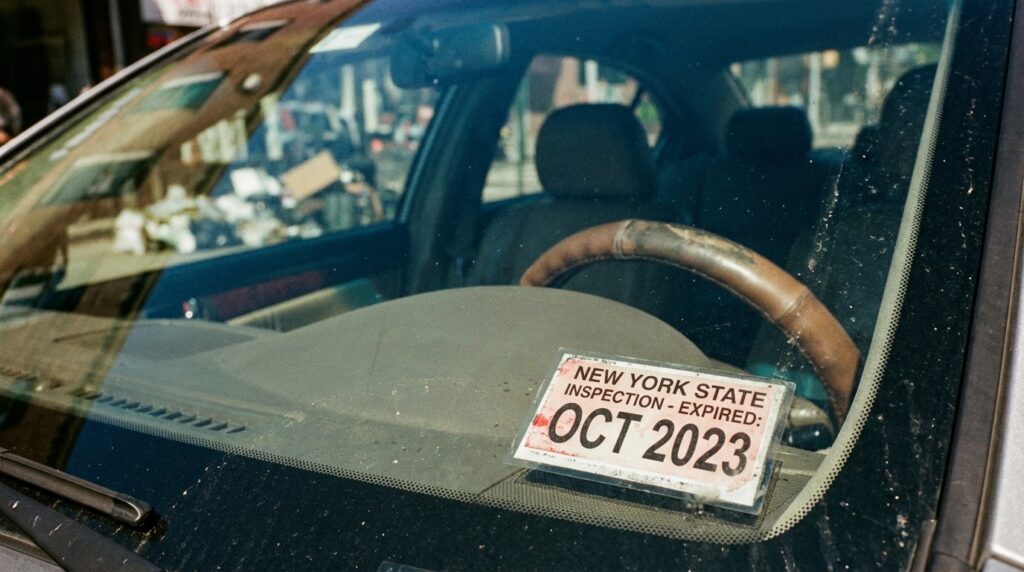
| New York | You must surrender your plates to the NY DMV if you let your insurance lapse. You can sell the car without current registration, but the buyer must visit the DMV with the signed title and bill of sale to get new plates and a temporary inspection sticker before driving it. |
Because state laws change frequently, you should always check your specific state’s Department of Motor Vehicles website for the most accurate and updated information.
Should You Renew Registration Before Selling?
Many sellers debate whether they should just go ahead and pay the DMV to renew the tags before listing the car. You should weigh the pros and cons based on your specific vehicle.
When You Should Renew
If your car runs perfectly and appeals to everyday commuters, you should strongly consider renewing the registration. Everyday buyers want a hassle-free experience. They want to test drive the car on the highway, pay you, and drive it straight to work the next day. A car with current tags sells much faster and usually commands a higher asking price.
When You Should Not Renew
If the car needs major mechanical repairs, do not bother renewing the registration. A buyer will likely tow it anyway. Similarly, if renewing the tags requires expensive repairs just to pass an emissions or safety inspection, you will lose money. Sell it as-is to a mechanic or an experienced car flipper.
“Expert Tip: Do the math. If renewing the tags costs $150, but increases your car’s selling price by $500 because it attracts more buyers, you make a solid profit by visiting the DMV before the sale.”
Tips to Sell Your Car Faster
Selling a car without current registration takes a bit more effort. Use these tips to attract buyers and close the deal quickly.
- Take Excellent Photos: Make the car look its best. Wash the exterior, vacuum the inside, and take clear photos in good lighting. Great pictures make buyers more willing to deal with the registration hassle.
- Explain Why the Tags Expired: Buyers naturally feel suspicious. They might think the car failed an inspection or has a blown engine. Tell them the truth. If you simply bought a new car and stopped driving the old one, put that exact reason in your ad.
- Price It Competitively: You must offer a slight discount. Because the buyer has to deal with towing or temporary permits, price the car slightly below the market value of similar registered cars.
- Offer to Split the Tow: If a buyer hesitates because of transport costs, offer to pay for half of the tow truck fee. This small gesture often seals the deal.
- Help Them Get a Transit Permit: Send the buyer a link to your state’s DMV page where they can buy a temporary moving permit. Showing them how easy it is removes their anxiety.
Frequently Asked Questions
Can I sell a car that hasn’t been registered for years?
Yes. As long as you have the original title in your name, you can sell it. The number of years the registration has been expired does not affect your ownership rights. However, depending on your state, years of expired tags could result in significant back fees that someone will have to pay to get the car back on the road.
Do I need to renew registration before selling?
No, the law does not require you to renew the registration before selling. You can legally transfer ownership of an unregistered vehicle. You only need to renew it if you want to allow test drives on public roads or appeal to a broader market of buyers.
Can a buyer drive the car home with expired registration?
No, not legally. Driving an unregistered vehicle violates traffic laws in every state. If a police officer pulls them over, the buyer will get a ticket, and the car could be impounded. The buyer must tow the vehicle, put it on a trailer, or obtain a temporary transit permit from the local DMV before driving it.
Does expired registration affect car value?
Yes, it usually lowers the value slightly. Buyers factor in the inconvenience, the cost of a tow truck, and any potential back fees owed to the DMV. You can expect buyers to negotiate a lower price to offset these additional headaches.
What if I also lost the title?
If you have no registration and no title, you cannot sell the car to a private buyer. You must apply for a duplicate or replacement title through your state’s DMV. Once you receive the new physical title in the mail, you can legally sell the vehicle.
Can a dealership buy my unregistered car?
Yes. Dealerships and trade-in centers like CarMax or online buyers buy cars with expired tags every day. They have the resources to tow the vehicle from your property and process the paperwork internally. This is often the easiest route for sellers who want to avoid private buyer hassles.
Final Thoughts
Selling a car with expired registration sounds intimidating, but it happens all the time. The most important thing to remember is that you hold the power to sell as long as you hold the title. Keep the car off public streets, be honest with your buyers, and follow your state’s specific title transfer rules.
By taking the time to understand the expired car registration selling rules, you protect yourself from legal liability. Remove your license plates, draft a solid bill of sale, and submit a release of liability to the DMV. With these simple precautions, you can confidently turn that unused, unregistered car into cash.
Before selling your vehicle, it helps to understand the paperwork involved. You can read the official DMV vehicle selling guide to learn more about the legal steps required when transferring ownership.
Now you know that you can sell a car with expired registration as long as you legally own the vehicle and have the title.