
If you own a vehicle in Virginia, you’ve likely heard of the mandatory Virginia car inspection. Each year, drivers must bring their vehicles to a licensed inspection station to ensure they meet the state’s strict safety standards. This process isn’t just about following the law—it’s about protecting drivers, passengers, and pedestrians on the road.
From the Virginia car inspection criteria to the state car inspection checklist, this guide will walk you through everything you need to know, including the Virginia car inspection fee and how to prepare so you can pass on your first attempt.
Why Car Inspection is Mandatory in Virginia
The Purpose of Safety Inspections
The primary reason behind mandatory car inspections in Virginia is safety. Every year, accidents occur due to faulty brakes, bald tires, or failing headlights. A standardized inspection process reduces the risk of accidents caused by mechanical failures.
Legal Background and Regulations
Virginia’s inspection laws date back decades and are enforced under the Virginia State Police Safety Division. The law requires that most vehicles registered in Virginia undergo an annual safety inspection to remain road legal.
Virginia Car Inspection Requirements
Who Needs a Car Inspection in Virginia?
All privately owned cars, motorcycles, trailers, and trucks must undergo a safety inspection once a year. Commercial vehicles have additional requirements, which we’ll cover later.
Frequency of State Inspections
Most vehicles in Virginia must be inspected every 12 months. Your inspection sticker, placed on the windshield, shows the expiration date.
Exemptions from Virginia Car Inspections
Some vehicles are exempt, such as:
- Antique vehicles (with antique tags)
- Farm vehicles used exclusively on farmland
- Certain government-owned vehicles
Virginia Car Inspection Criteria
The Virginia car inspection criteria focus on ensuring vehicles are safe, reliable, and environmentally compliant.
Safety Standards for Vehicles
Inspectors check for proper functioning of brakes, steering, lights, mirrors, and seatbelts to ensure basic safety standards are met.
Environmental and Emission Requirements
While Virginia doesn’t require emissions tests statewide, drivers in Northern Virginia counties may need to undergo emissions testing in addition to the safety inspection.
Common Reasons Vehicles Fail Inspections
- Worn-out tires with insufficient tread depth
- Cracked or obstructed windshields
- Faulty brake systems
- Non-functioning lights or signals
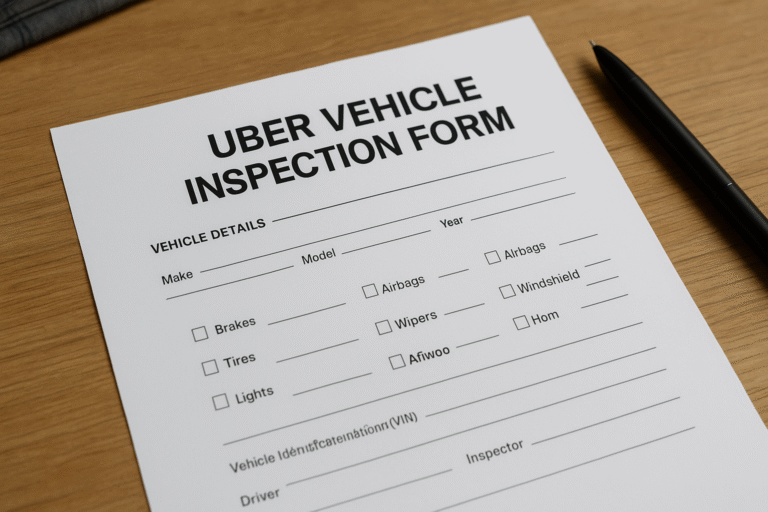
Virginia State Car Inspection Checklist
One of the most searched terms is the Virginia state car inspection checklist, which covers a wide range of vehicle components.
Exterior Vehicle Components
Lights, Mirrors, and Windshield
- Headlights, brake lights, and turn signals must work.
- Mirrors should be free from cracks.
- Windshields must not be damaged or excessively tinted.
Tires, Wheels, and Suspension
- Tire tread depth must meet minimum standards.
- Rims and wheels must not be damaged.
- Suspension should provide safe handling.
Interior Vehicle Components
Brakes, Steering, and Seatbelts
- Brakes must engage properly.
- Steering systems should function smoothly.
- Seatbelts must lock securely.
Horn, Speedometer, and Odometer
- Horn must be audible.
- Speedometer and odometer must work.
Under-the-Hood Inspection
Engine, Fluids, and Belts
- Engine must run without leaks.
- Essential fluids should be at proper levels.
- Belts and hoses should be intact.
Exhaust System
- Exhaust pipes and mufflers must not leak.
Virginia Car Inspection Fee
The Virginia car inspection fee is regulated by the state, ensuring uniformity across all licensed inspection stations.
Standard Inspection Costs
- Passenger vehicles: $20
- Motorcycles: $12
- Trailers: $12–$51, depending on weight
Re-Inspection Fees and Policies
If your vehicle fails inspection, you have 15 days to make repairs and return to the same station for a free re-inspection.
Inspection Fee Variations by Vehicle Type
Large commercial vehicles, buses, and heavy trailers may incur higher fees.
Virginia Car Inspection Process
Step-by-Step Procedure
The inspection process in Virginia is relatively straightforward. Here’s what typically happens when you take your car to an authorized inspection station:
- Arrival and Registration – You’ll provide your vehicle registration and hand over your keys.
- Initial Check – Inspectors verify your license plate, VIN, and inspection sticker.
- Component Testing – Safety components such as brakes, tires, lights, and windshield are examined.
- Under-the-Hood Review – Inspectors check your engine, belts, exhaust, and fluid levels.
- Final Decision – If your car passes, you receive a new inspection sticker valid for 12 months. If it fails, you’ll receive a written report detailing the problems.
How Long Does an Inspection Take?
On average, a standard inspection takes 30–45 minutes. However, if the station is busy or your car requires additional checks, it may take longer.
What Happens If You Fail?
If your vehicle fails, the inspector will place a “reject” sticker on your windshield. You’ll then have 15 days to fix the issues and return for a free re-inspection at the same station. If repairs take longer, you may face penalties for driving with expired or rejected stickers.
Preparing for Your Virginia Car Inspection
Pre-Inspection Checklist for Drivers
Before heading to your inspection appointment, run through this checklist:
- Test headlights, brake lights, and turn signals.
- Ensure windshield wipers work properly.
- Check tire tread and pressure.
- Verify that seatbelts are functional.
- Look for visible leaks under the car.
DIY Tips to Increase Chances of Passing
- Replace worn-out wiper blades.
- Top off essential fluids like brake fluid, coolant, and windshield washer fluid.
- Clean headlights and mirrors for visibility.
- Fix small cracks in your windshield before inspection.
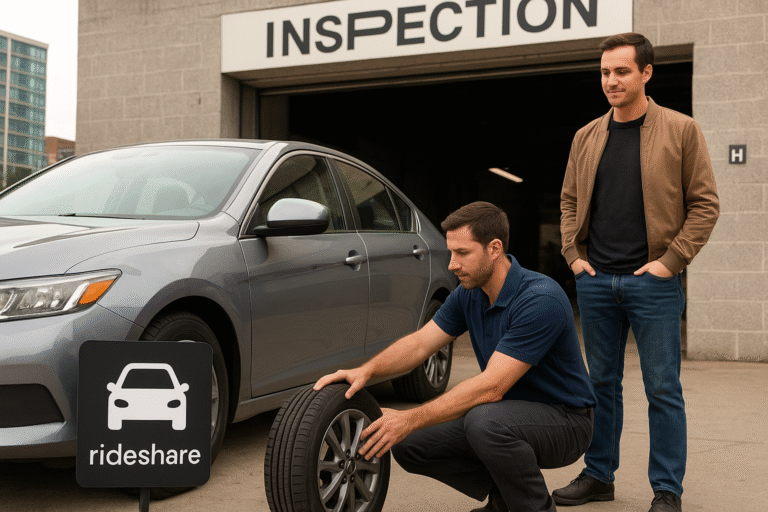
Finding an Authorized Virginia Inspection Station
How to Locate Licensed Centers
Virginia has over 4,400 licensed inspection stations, ranging from auto repair shops to dealerships. You can find an authorized station by:
- Checking the Virginia State Police website
- Looking for the official inspection station sign outside garages
What to Expect from Inspection Stations
Authorized stations must follow state guidelines and charge standard fees. They cannot add hidden costs for the inspection itself, although they may offer repair services if your vehicle fails.
Virginia State Car Inspection Requirements for Commercial Vehicles
Truck, Bus, and Fleet Vehicle Standards
Commercial vehicles such as trucks and buses face stricter requirements than passenger vehicles. Inspections focus on:
- Heavy-duty brakes
- Emergency exits (for buses)
- Cargo security devices
- Weight compliance
Additional Compliance Factors
In addition to the regular inspection, commercial fleets may undergo federal safety checks and must meet additional Department of Transportation (DOT) requirements.
Penalties for Not Complying with Virginia Car Inspection
Traffic Citations and Fines
Driving without a valid inspection sticker can result in:
- A $30–$100 fine
- Possible court costs
- A requirement to fix the issue and show proof of compliance
Registration and Insurance Issues
Some insurance companies may penalize drivers for failing to maintain a valid inspection. Also, you may be denied vehicle registration renewal until your inspection is up-to-date.
Tips for Passing Your Inspection the First Time
Regular Vehicle Maintenance
Routine maintenance is the best way to ensure a smooth inspection. Keep up with oil changes, brake checks, and tire rotations to avoid last-minute issues.
Professional Pre-Inspection Services
Some repair shops offer pre-inspection checks where they review your car against the Virginia state car inspection checklist. This can save time and reduce the risk of failure.
Virginia Car Inspection vs. Emissions Testing
Key Differences Between Safety and Emissions Tests
- Safety Inspection: Focuses on vehicle performance and safety systems.
- Emissions Test: Measures pollutants released by your car.
When Emissions Testing is Required
Not every Virginia driver needs an emissions test. Currently, emissions inspections are required only in Northern Virginia counties, including:
- Arlington
- Fairfax
- Loudoun
- Prince William
Vehicles in these areas must undergo emissions testing every two years.
Frequently Asked Questions (FAQs)
1. How much is a Virginia car inspection?
The standard fee is $20 for cars, $12 for motorcycles, and $12–$51 for trailers, depending on size.
2. How often do I need a Virginia car inspection?
Every 12 months for most vehicles.
3. What happens if I fail my Virginia car inspection?
You’ll get a “reject” sticker and 15 days to repair issues and return for a free re-inspection.
4. Do antique cars need Virginia inspections?
No, antique vehicles with antique tags are exempt.
5. Is emissions testing included in Virginia car inspections?
No, emissions testing is separate and only required in certain Northern Virginia counties.
6. Can I go to any mechanic for inspection?
No, inspections must be performed at state-licensed inspection stations.
Conclusion
The Virginia car inspection process may seem like a hassle, but it plays a vital role in ensuring road safety and keeping vehicles in top condition. By understanding the Virginia state car inspection requirements, preparing with the official checklist, and knowing the inspection fees, you can avoid stress and increase your chances of passing on the first try.
Staying proactive with routine maintenance not only helps with inspections but also extends the life of your vehicle, ensuring you drive safely and confidently across Virginia’s roads.
For more details, visit the Virginia State Police Safety Division official page.