
What Is an Oregon Vehicle Bill of Sale?
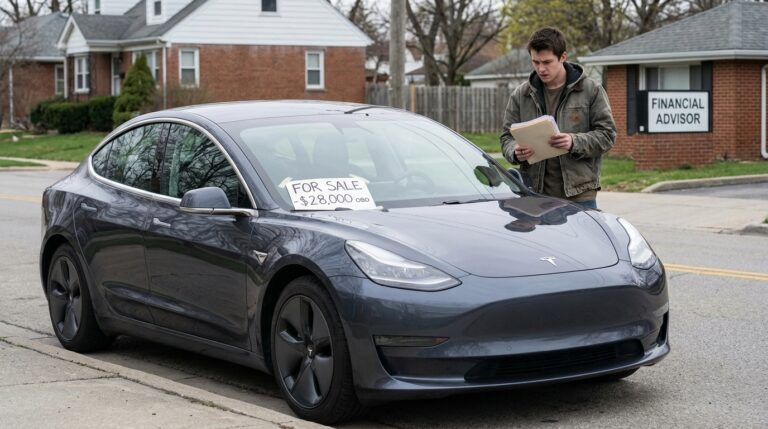
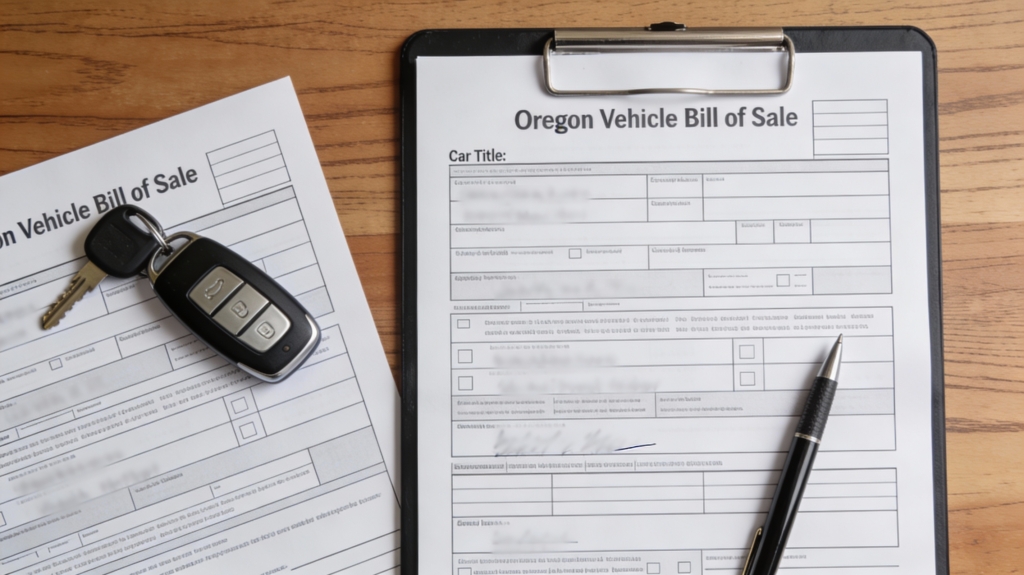
An oregon vehicle bill of sale is a legal document that records the transfer of ownership of a vehicle from a seller to a buyer within the state of Oregon. It serves as written proof that a sale occurred and outlines essential details such as the vehicle description, sale price, and the identities of both parties.
In simple terms, it protects everyone involved. For buyers, it proves ownership. For sellers, it confirms they are no longer responsible for the vehicle. While it may seem like just another form, it plays a crucial role in vehicle transactions across Oregon.
Why an Oregon Vehicle Bill of Sale Is Important
An Oregon vehicle bill of sale is more than paperwork—it’s peace of mind.
Here’s why it matters:
- ✅ Protects both buyer and seller legally
- ✅ Helps prevent disputes over ownership or price
- ✅ Required for certain DMV transactions
- ✅ Useful for tax, insurance, and registration purposes
- ✅ Acts as proof of purchase if the title is delayed
Without this document, misunderstandings can arise quickly. If a traffic ticket or accident occurs after the sale, a properly completed bill of sale can protect the seller from liability.

Is an Oregon Vehicle Bill of Sale Required by Law?
Oregon DMV Legal Requirements
Oregon does not always require a bill of sale for vehicle registration if a valid title is properly signed over. However, the Oregon Driver & Motor Vehicle Services Division (DMV) strongly recommends using one.
You can review Oregon DMV guidance through an official external source such as the Oregon DMV website .
When a Bill of Sale Becomes Mandatory
An Oregon vehicle bill of sale becomes especially important when:
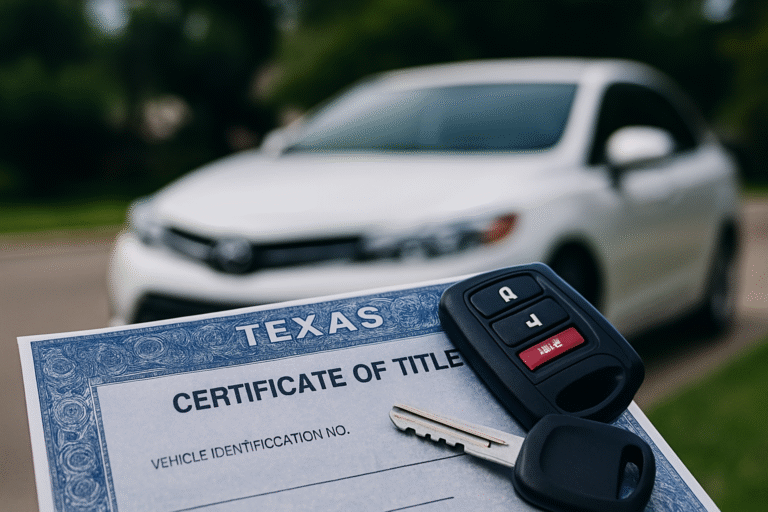
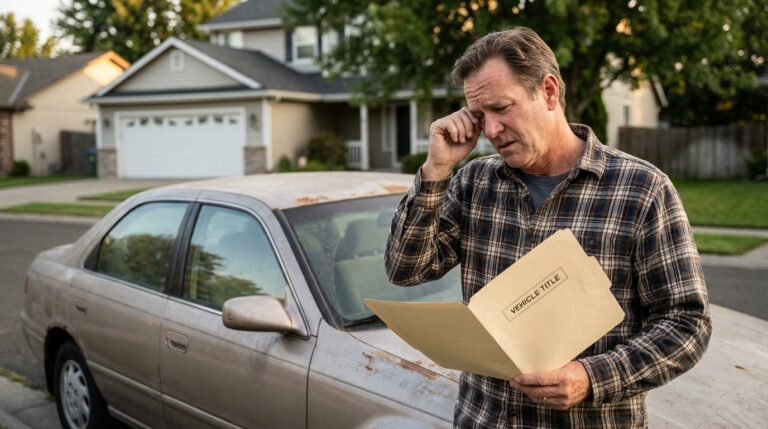
- The vehicle title is missing or damaged
- The sale involves a gift or low-cost transfer
- The vehicle is older or exempt from standard titling
- There is a dispute over sale details
In these cases, the bill of sale may be required to complete registration.
Key Information Included in an Oregon Vehicle Bill of Sale
Buyer and Seller Details
- Full legal names
- Physical addresses
- Contact information
Vehicle Identification Information
- Vehicle Identification Number (VIN)
- Make, model, and year
- Body type and color
- License plate number (if applicable)
Sale Price and Payment Terms
- Purchase price
- Method of payment (cash, check, trade)
- Whether the vehicle is sold “as-is”
Signatures and Date of Sale
- Signatures of both buyer and seller
- Exact date of the transaction
These elements make the document legally useful and clear.
Types of Vehicle Bills of Sale in Oregon
Car and Truck Bill of Sale
Used for passenger vehicles, SUVs, and pickup trucks.
Motorcycle Bill of Sale
Includes engine size and motorcycle-specific details.
Trailer and RV Bill of Sale
Often required when a title is not issued due to size or weight exemptions.
Each type follows the same core structure but includes specialized details.
How to Write an Oregon Vehicle Bill of Sale (Step-by-Step)
- Start with the document title
- Enter the date of sale
- Add buyer and seller information
- Describe the vehicle accurately
- State the sale price clearly
- Include “as-is” language if applicable
- Sign and date the document
Both parties should keep a copy for their records.
Oregon Vehicle Bill of Sale Template Explained
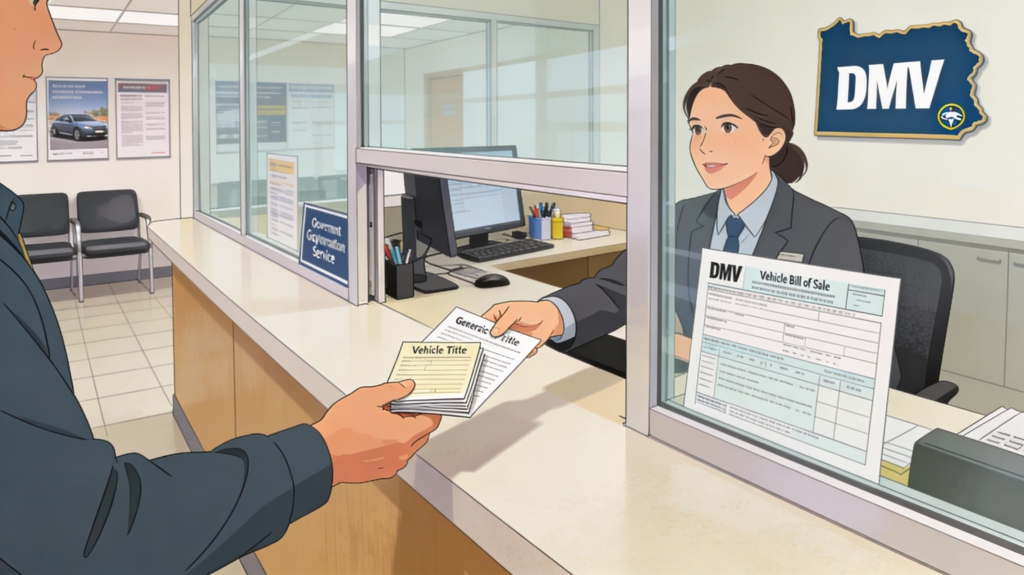
A standard template ensures nothing important is missed. Templates are especially useful for private-party sales, where dealerships are not involved.
Using a structured format helps the DMV process paperwork faster and reduces errors.
Registering a Vehicle in Oregon Using a Bill of Sale
Required DMV Documents
- Vehicle title
- Oregon vehicle bill of sale
- Application for title and registration
- Odometer disclosure (if required)
- Proof of insurance
Fees and Timelines
Registration fees vary by vehicle type and county. Most registrations must be completed within 30 days of purchase.
Common Mistakes to Avoid
- ❌ Missing signatures
- ❌ Incorrect VIN numbers
- ❌ Using nicknames instead of legal names
- ❌ Forgetting the sale date
- ❌ Not keeping a copy
Avoiding these mistakes saves time and prevents DMV rejection.
Buying vs Selling: Responsibilities in Oregon
Buyers must:
- Register the vehicle
- Pay applicable taxes and fees
- Obtain insurance
Sellers must:
- Provide accurate information
- Notify the DMV of the sale
- Remove license plates if required
Both parties share responsibility for accuracy.
Digital vs Paper Bill of Sale in Oregon
Oregon accepts both digital and paper versions, as long as the information is complete and readable. However, printed copies are still recommended for DMV visits.
Table: Oregon Vehicle Bill of Sale Requirements at a Glance
| Requirement | Buyer | Seller | DMV |
|---|---|---|---|
| Full Names | ✅ | ✅ | ✅ |
| VIN | ❌ | ✅ | ✅ |
| Sale Price | ✅ | ✅ | ✅ |
| Signatures | ✅ | ✅ | Required |
| Date of Sale | ✅ | ✅ | Required |
| “As-Is” Clause | Optional | Optional | ❌ |
Frequently Asked Questions (FAQs)
1. Is an Oregon vehicle bill of sale required for private sales?
Not always, but it is highly recommended for legal protection.
2. Can I handwrite an Oregon vehicle bill of sale?
Yes, as long as all required details are included and legible.
3. Does the bill of sale need to be notarized in Oregon?
No, notarization is not required.
4. Can I use a bill of sale if the title is lost?
Yes, but additional DMV forms may be required.
5. Who keeps the original bill of sale?
Both buyer and seller should keep copies.
6. Is a bill of sale valid without a title?
It can support ownership, but a title is usually still required for registration.
Conclusion
An oregon vehicle bill of sale is a simple yet powerful document that protects buyers, sellers, and ensures smooth DMV transactions. Whether you’re selling a car, motorcycle, or trailer, having a properly completed bill of sale can save time, prevent legal issues, and provide peace of mind.
By understanding the requirements, avoiding common mistakes, and using a clear template, you can confidently complete any vehicle transaction in Oregon.
Legal Protection and Liability Considerations in Oregon
One of the most overlooked benefits of an Oregon vehicle bill of sale is liability protection. Until the Oregon DMV records the ownership change, the seller’s name may still be associated with the vehicle. This can lead to serious issues if the buyer:
- Fails to register the vehicle promptly
- Accumulates parking tickets or toll violations
- Is involved in an accident
A properly dated and signed bill of sale can serve as critical evidence showing when ownership transferred. Sellers should also submit a Notice of Sale or Transfer of a Vehicle to the Oregon DMV as soon as possible to further reduce risk.
“As-Is” Sales Explained Under Oregon Law
Most private vehicle sales in Oregon are conducted “as-is.” This means:
- The seller is not guaranteeing the condition of the vehicle
- The buyer accepts responsibility for repairs after purchase
- No warranties are implied unless stated in writing
Including clear “as-is” language in the Oregon vehicle bill of sale protects the seller from claims related to mechanical problems discovered later. Buyers, on the other hand, should always inspect the vehicle or request a mechanic’s evaluation before completing the purchase.
Special Scenarios Where a Bill of Sale Is Especially Helpful
Family Transfers and Gifts
When vehicles are transferred between family members or given as gifts, the sale price may be listed as $0 or “gift.” In these cases, a bill of sale helps clarify:
- The nature of the transfer
- Why little or no money changed hands
- Tax or fee exemptions, when applicable
Out-of-State Purchases
If you buy a vehicle from another state and bring it into Oregon, a bill of sale helps the DMV verify:
- Purchase price
- Ownership chain
- Compliance with Oregon titling requirements
Vehicles Without Titles
Certain older vehicles, trailers, or custom-built vehicles may not have standard titles. In these cases, the Oregon vehicle bill of sale becomes a key supporting document for ownership verification.
How Long Should You Keep an Oregon Vehicle Bill of Sale?
It is recommended that both buyers and sellers keep their bill of sale for at least 5–7 years. This timeframe aligns with:
- Tax record retention guidelines
- Insurance claim investigations
- Potential legal disputes
Digital backups are also a smart option, especially if the paper copy is lost or damaged.
Oregon DMV Processing Tips for Faster Approval
To avoid delays when registering a vehicle using a bill of sale:
- Double-check that the VIN matches the title exactly
- Use full legal names (no abbreviations or nicknames)
- Ensure dates are consistent across all DMV forms
- Write legibly or use a typed template
- Submit documents within the required timeframe
Small errors are one of the most common reasons Oregon DMV applications are rejected.
Differences Between Dealer and Private-Party Bills of Sale
| Feature | Dealer Sale | Private Sale |
|---|---|---|
| Bill of Sale Provided | Usually automatic | Buyer or seller prepares |
| Warranty Disclosure | Often included | Usually “as-is” |
| DMV Processing | Often handled by dealer | Buyer responsible |
| Risk of Errors | Low | Higher without template |
Private-party transactions benefit the most from a detailed Oregon vehicle bill of sale.
Printable vs Online Oregon Vehicle Bill of Sale Templates
Printable templates are ideal for in-person sales, while digital templates work well for remote transactions. Regardless of format, ensure the template includes:
- All legally relevant vehicle details
- Clear signature lines
- Space for notes or special conditions
Avoid overly generic templates that omit Oregon-specific requirements.
Final Thoughts: Why This Document Matters More Than You Think
An Oregon vehicle bill of sale is not just a form—it is a legal safeguard, a transaction record, and a DMV support document all in one. Whether the sale is straightforward or complex, this document provides clarity and protection long after the transaction is complete.
By taking a few extra minutes to complete it correctly, buyers and sellers can avoid costly mistakes, legal disputes, and unnecessary stress—making every Oregon vehicle transaction smoother and more secure.
Oregon DMV – Selling a Vehicle