
Why Laws in Texas Differ From Other States
Selling a car in Texas involves specific legal requirements that differ from other states. The Texas Department of Motor Vehicles (TxDMV) enforces strict rules on title transfers, sales reporting, and license plate handling to prevent fraud and protect both buyers and sellers.
For instance, in Texas, sellers must notify the state of the sale via Form VTR-346. Failing to do so could leave you liable if the buyer gets into an accident or racks up fines.
Private Sale vs. Dealer Trade-In
In Texas, you have two primary ways to sell your car:
- Private Sale: You sell directly to another individual. This often results in a higher selling price but involves more paperwork.
- Dealer Trade-In: Simpler and faster, but dealers usually offer lower value since they need to resell at a profit.
Required Documents for Selling a Car in Texas
Texas Title Transfer Form
You must have the original vehicle title to transfer ownership. This title must be signed by all listed owners. If the title has a lien on it, the lien must be paid off or released.
Vehicle Inspection and Emissions Requirements
If the buyer lives in an emissions county (like Dallas, Houston, or Austin), the vehicle needs to pass a valid inspection before registration.
Bill of Sale Essentials
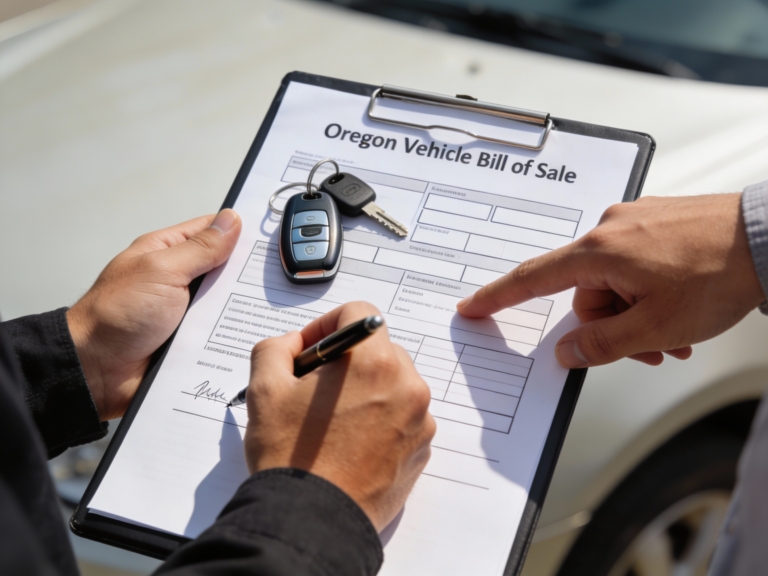
Though not legally required in Texas, a Bill of Sale is highly recommended. It should include:
- Buyer and seller names
- Sale price
- VIN number
- Date of sale
- Signatures
Step-by-Step Process of Selling a Car in Texas
Preparing the Car for Sale
Start by cleaning your vehicle inside and out. Fix minor issues, gather maintenance records, and take quality photos. A well-presented car attracts more buyers and a higher price.
Setting the Right Price
Use tools like Kelley Blue Book (KBB) or Edmunds to get a fair market value based on your car’s make, model, year, and condition.
Listing the Vehicle
List your car on platforms like:
- Facebook Marketplace
- Craigslist Dallas or Houston
- Autotrader
- eBay Motors
- OfferUp
Be honest in your description and highlight key features like low mileage or recent upgrades.
Meeting With Buyers Safely
Meet in well-lit public places like grocery store parking lots or police department “Safe Exchange Zones.” Never let strangers test drive alone—always accompany them.
How to Transfer the Title in Texas
Title Assignment Instructions
Flip the title over and complete the “Assignment of Title” section. Be careful to include:
- Odometer reading
- Date of sale
- Sales price
Signing the Title Correctly
Both the seller and buyer must sign. If there are two owners listed, both must sign unless the title says “OR” between names.
Notarization Rules
Texas doesn’t require title signatures to be notarized for most private sales, but double-check if the vehicle has a lien release.
How to Report the Sale to Texas DMV
Submitting Form VTR-346
Within 30 days of the sale, complete and file the Vehicle Transfer Notification (Form VTR-346) at TxDMV’s website. This protects you from liability if the buyer doesn’t register the car.
Timeframe and Legal Obligations
If the buyer gets a speeding ticket or is involved in an accident before registration, you’re still the legal owner—unless you’ve filed Form VTR-346.
Texas Laws on Vehicle Registration and Plates
What Happens to Your License Plates
Unlike other states, Texas law says plates stay with the seller. You must remove and keep your plates after the sale.
Temporary Tags and Buyer Responsibility
The buyer must obtain temporary tags or transfer plates within 30 days of purchase. They also must register the vehicle and pay the title transfer fee.
What if You Still Owe Money on the Vehicle?
Selling a Car With a Lien
If your car is financed, you’ll need to pay off the remaining balance to release the lien. The title cannot be transferred until the lien is cleared.
Coordinating With Your Lender
Many banks require the payoff to be made before releasing the title. You may need to meet the buyer at the bank, use an escrow service, or handle a title transfer delay while the lien is removed.
Selling a Car in Texas Without a Title
How to Apply for a Duplicate Title
If you lost the title, request a replacement using Form VTR-34. It can be submitted online or in person at your local TxDMV office.
Alternatives if Title Is Lost or Damaged
You cannot legally sell a car in Texas without a title. If the title is badly damaged, a duplicate must be obtained before proceeding with the sale.
How to Sell a Car Online in Texas
Best Platforms to Use
Use these popular sites for broader reach:
- Autotrader: Ideal for high-end vehicles
- Facebook Marketplace: Quick and local
- Craigslist: Great for bargain hunters
- CarGurus: Offers price comparison tools
Tips for Online Safety
- Blur your home address in images.
- Never share personal financial info.
- Use Google Voice or secondary email for contact.
Taxes and Fees Involved When Selling a Car in Texas
Who Pays the Taxes?
The buyer pays sales tax (6.25%) and title transfer fees during registration. Sellers do not owe any taxes on a private car sale.
What Sellers Need to Know
Even though you’re not paying taxes, you must ensure the sale price is documented accurately for the buyer’s tax assessment.
What to Do After the Sale is Final
Cancel Insurance
Notify your insurance company immediately to cancel coverage. This prevents future charges or liability.
Keep a Copy of the Bill of Sale
Retain a signed bill of sale and a copy of the signed title for your records. It helps in disputes or legal issues.
Selling a Car to a Dealership in Texas
Pros and Cons
- Pros: Fast, hassle-free, no paperwork confusion.
- Cons: You’ll likely get less money than a private sale.
Documents You’ll Still Need
Even for dealer sales, bring:
- Title
- Driver’s license
- Registration
- Loan payoff info (if applicable)
Selling a Car for Someone Else in Texas
Power of Attorney Requirements
You must have a signed Power of Attorney (Form VTR-271) to sell a vehicle for someone else, even a relative.
Title Handling
Ensure the owner signs the title or authorizes you legally to do so. Improper documentation can void the sale.
Mistakes to Avoid When Selling a Car in Texas
Not Reporting the Sale
Failing to file Form VTR-346 can leave you liable for tickets, crashes, or fraud.
Handing Over Plates
Never give your license plates to the buyer. Always remove and keep them.
Signing Title Incorrectly
Using white-out, erasing, or miswriting can void the title. Always follow the printed instructions carefully.
Frequently Asked Questions (FAQs)
1. How do I transfer a car title to a new owner in Texas?
Sign the back of the title, include sale details, and have the buyer register the vehicle at a county tax office.
2. Do I need a bill of sale to sell my car in Texas?
It’s not required by law, but it’s highly recommended for legal protection and proof of sale.
3. Can I sell my car in Texas without inspection?
No, the vehicle must pass inspection if the buyer lives in a county requiring emissions testing.
4. What form do I file after selling my car in Texas?
File Form VTR-346 online or in person with the TxDMV to notify the state of the sale.
5. Who is responsible for paying taxes on a car sale in Texas?
The buyer pays the taxes and registration fees. Sellers are not taxed on the sale.
6. How long does a buyer have to register a car in Texas?
The buyer has 30 days from the date of sale to register the vehicle and pay title transfer fees.
Conclusion: Smoothly Navigate the Sale Process in Texas
Selling a car in Texas doesn’t have to be stressful. Whether you’re going the private sale route or trading into a dealership, knowing the legal requirements, document handling, and safety precautions can save you time and protect you from future issues. Follow this comprehensive guide and enjoy a smooth, successful transaction.
Texas Department of Motor Vehicles (TxDMV) – Vehicle Transfer Notification