

You finally found the perfect vehicle. It has the right trim, the right color, and a price that fits your budget perfectly. There is just one small problem: the car is sitting in a driveway or on a dealer lot three states away. If you want to buy a car in another state, you are not alone. Thousands of smart shoppers expand their search radius every day to find better deals and rarer models.
However, crossing state lines to buy a vehicle triggers a lot of anxiety. You might worry about paying taxes twice, dealing with nightmare DMV paperwork, or figuring out how to drive the car home legally without license plates. The good news is that an out-of-state car purchase is completely doable when you know the rules.
This comprehensive guide will walk you through everything you need to know. We will demystify the rules around double taxation, explain how to get a temporary transit tag, and show you exactly how to register a car from another state. Let us dive into the ultimate roadmap for buying your next vehicle across state lines.
Why Buy a Car in Another State?
Expanding your vehicle search beyond your local zip code offers massive advantages. With online marketplaces making it easier than ever to view inventory nationwide, buyers have more power. But before you book a flight or plan a road trip, you need to weigh the benefits against the extra effort required.
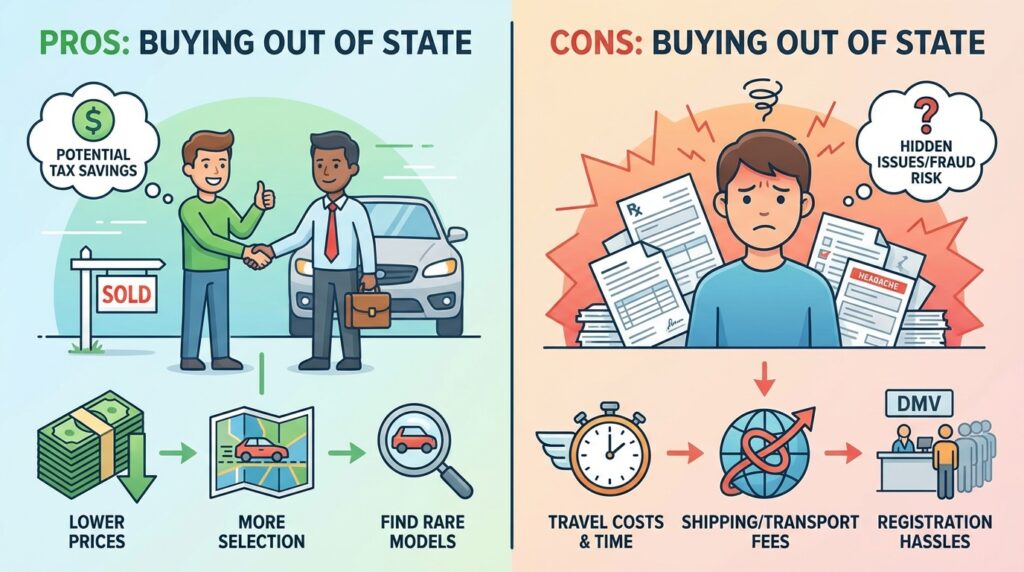
Here is a breakdown of why you might want to consider this route, along with a few drawbacks to keep in mind.
| The Pros of Buying Out of State | The Cons of Buying Out of State |
|---|---|
| Better Pricing: Markets vary wildly. A pickup truck might cost significantly less in Texas than it does in New York. | Travel Costs: You have to factor in plane tickets, gas, meals, and hotel stays into the final price of the car. |
| Rust-Free Vehicles: Buying a used car from sunny, dry states like Arizona or Florida means you avoid harsh winter salt damage. | Complex Paperwork: You will deal with two different state DMV regulations, which requires careful attention to detail. |
| Rare Models: If you want a specific classic car or a limited-edition sports car, you have to go where the car is. | Sight Unseen Risks: If you do not travel to see the car first, you rely heavily on photos and third-party inspectors. |
| More Inventory: Expanding your search radius simply gives you thousands of more options to choose from. | Scam Potential: Private sellers online can sometimes misrepresent the vehicle or run wire fraud scams. |
Always calculate your “landed cost.” This means adding the purchase price of the car, the travel expenses to get there, and the cost of bringing it home. If the landed cost is still lower than local prices, you have found a great deal!
Step-by-Step Guide to the Out-of-State Car Buying Process
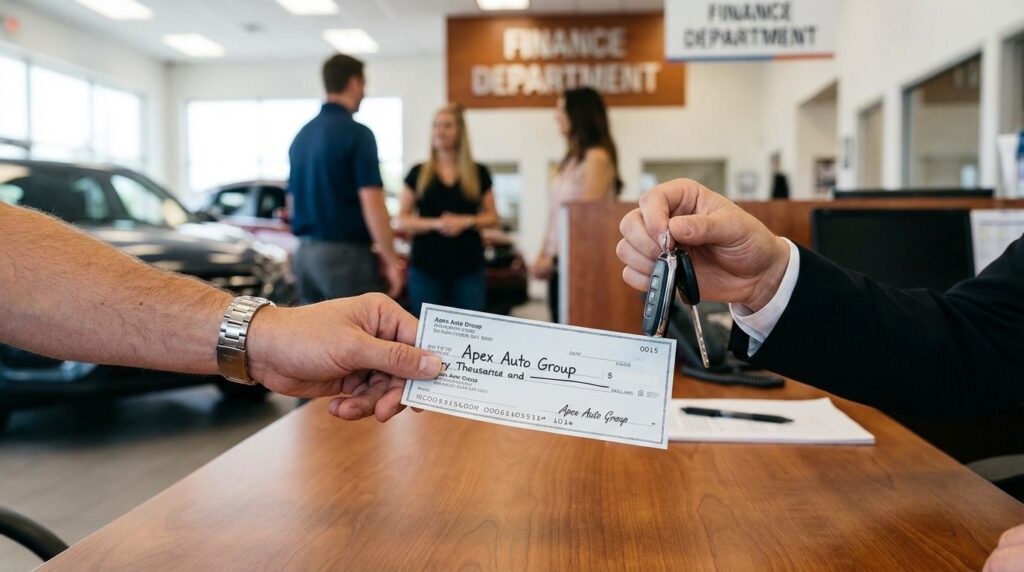
Buying a car locally usually involves a quick test drive and a handshake. When you buy a car in another state, you need a more structured approach to protect your money and your safety. Follow these three critical steps before you sign any paperwork or transfer any funds.
Step 1: Get a Comprehensive Vehicle History Report
Never take a seller’s word for it, especially when the car is hundreds of miles away. Your first line of defense is a vehicle history report. Services like Carfax or AutoCheck pull data from DMVs, police departments, and insurance companies across the country.
Look for red flags such as salvage titles, flood damage, or odometer rollbacks. A history report will also tell you if the car has spent its life in a snowy state, even if a seller in California is offering it now. If the history report looks clean, you can move on to the next step.
Step 2: Arrange a Pre-Purchase Inspection (PPI)
Do not skip this step. Paying a professional mechanic to look over the car is the best insurance policy you can buy. Since you are far away, you cannot kick the tires yourself. Instead, search online for a highly-rated independent mechanic located near the seller.
Many mobile mechanics will actually drive to the seller’s house or the out of state dealership to perform the inspection. They will check the engine, transmission, brakes, suspension, and look for hidden accident damage. A good PPI usually costs between $100 and $200. If the mechanic finds a major issue, you just saved yourself thousands of dollars. If the car gets a clean bill of health, you gain total peace of mind.
Step 3: Negotiate and Finalize the Agreement
Once the mechanic gives you the green light, it is time to negotiate. Use any minor flaws found in the inspection report to negotiate a better price. Agree on the final number clearly in writing.
If you are buying from a private seller, you need to figure out a safe payment method. Avoid carrying thousands of dollars in cash across state lines. Wire transfers or cashier’s checks drawn at a local branch of your bank are usually the safest methods. Make sure the seller has the actual paper title in their hand before you hand over the money.
How to Handle Paperwork, Registration, and Taxes
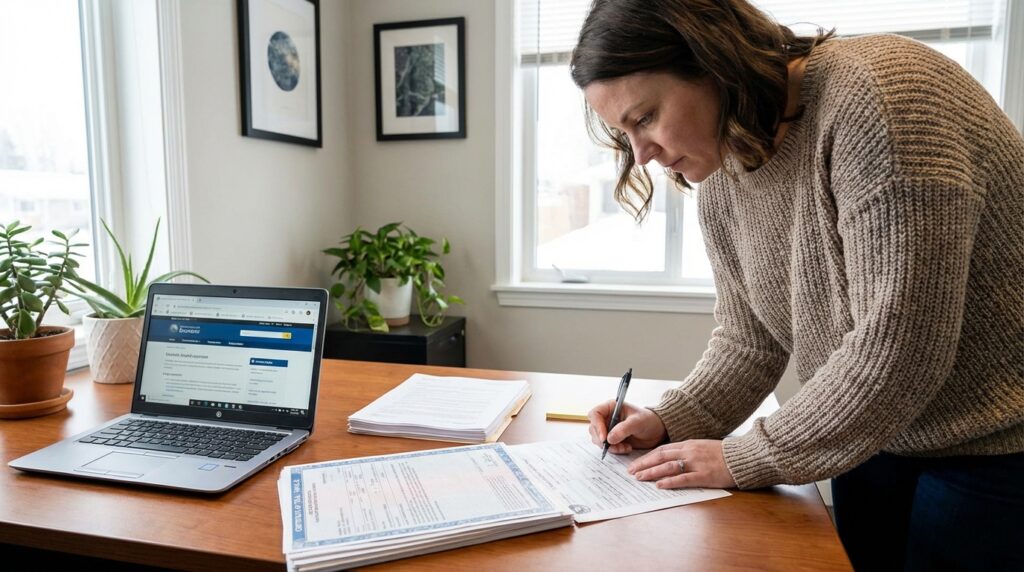
This is the section that scares buyers the most. Dealing with the Department of Motor Vehicles (DMV) is rarely fun, and adding a second state into the mix sounds like a nightmare. However, the rules are actually quite logical once you understand them.
Do I have to pay sales tax twice?
This is the most common fear buyers have. Let us clear it up right now: No, you do not pay sales tax twice.
When you calculate the sales tax on an out of state car, the golden rule applies: You pay taxes to the state where you register the car, not the state where you buy the car.
How you pay this tax depends on who sells you the car:
- Buying from a Dealership: An out of state dealership usually handles the tax for you. They will calculate the exact sales tax rate for your home zip code. You pay the dealer, and the dealer forwards the tax money to your home state’s DMV. Sometimes, they will just sell you the car tax-free, and you will pay your home state directly when you register it. Always ask the dealer how they handle out-of-state buyers.
- Buying from a Private Seller: A private seller never collects sales tax. You will pay the seller the agreed purchase price, take the title, and drive home. When you walk into your local DMV to get your new license plates, the clerk will calculate your local sales tax based on the bill of sale. You pay the tax right there at the counter.
“Remember, you can never escape paying sales tax by buying a car in a state with no sales tax (like Oregon or Montana). The moment you bring that car back to your home state, your local DMV will demand their cut.”
How do I register a car bought in another state?
To successfully register a car from another state, you need to prove you own it, prove it is safe, and pay your local fees. Before you head to your local DMV, gather this exact paperwork:
- The Original Title: This must be signed over to you by the seller. Make sure there are no mistakes or crossed-out names, as DMVs reject messy titles.
- A Bill of Sale: This document should list the purchase price, date, vehicle identification number (VIN), and signatures of both the buyer and seller.
- Proof of Insurance: Your auto insurance policy must show active coverage for the new vehicle.
- VIN Verification: Many states require a physical inspection of the VIN to ensure the car is not stolen. Usually, a police officer, DMV employee, or certified mechanic can do this.
- Emissions or Safety Inspection: Depending on where you live, you might need a local smog check or safety inspection before they hand you your license plates.
- Your Driver’s License: Proof of your identity and local residency.
Take all these documents to your local DMV within the grace period allowed by your state (usually 10 to 30 days). The clerk will process the paperwork, collect your local sales tax and registration fees, and hand you your shiny new local license plates.
Getting the Car Home: Logistics and Insurance
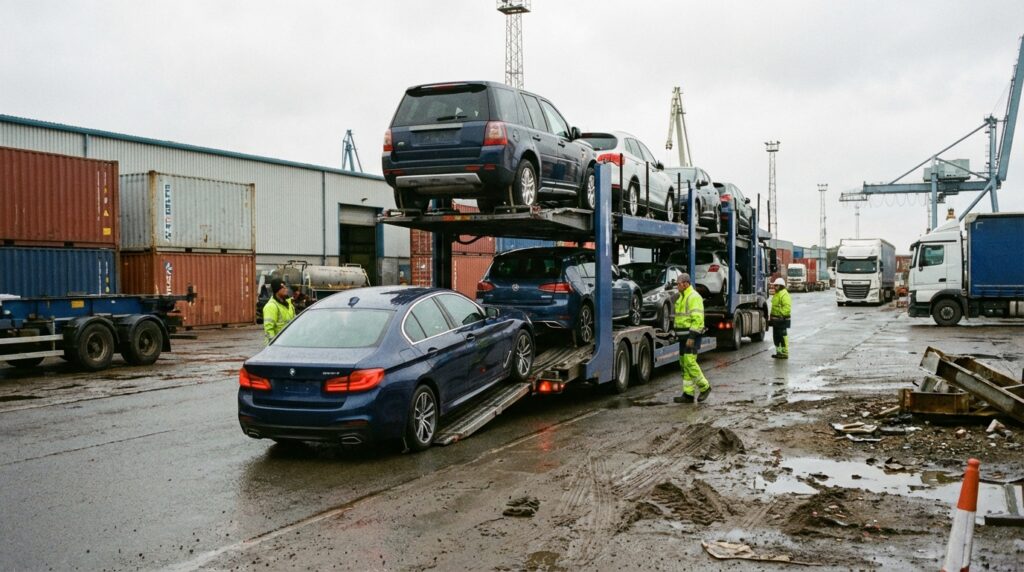
You bought the car, the title is in your hand, and you are ready to head home. But how do you physically move a piece of heavy machinery across the country legally and safely?
How do I drive a car home without license plates?
You can never drive a car on public roads without some form of legal registration. If you buy from a private seller, they will take their old license plates off the car before you leave. You cannot just slap plates from your old car onto the new one—that is illegal and can lead to the police impounding your new vehicle.
To drive home legally, you need a temporary transit tag (sometimes called a trip permit). You get this temporary paper license plate from the DMV of the state where you bought the car. It allows you to legally drive the unregistered car across state lines back to your home.
For example, if you live in Ohio but buy a car in Michigan, you visit a Michigan DMV office, show them the signed title and your insurance, and pay a small fee (usually $10 to $30). They give you a temporary tag valid for a few days so you can drive back to Ohio safely.
If you buy from an out of state dealership, they will issue this temporary transit tag for you right at the finance desk. You will not need to visit a local DMV yourself.
Will my current car insurance cover my drive home?
Most major auto insurance policies include a grace period for newly purchased vehicles. This means your current coverage automatically extends to your new car for a short time (usually 7 to 30 days). However, the coverage matches what you already have. If you only have basic liability on your old beater, you will only have basic liability on your new $40,000 truck.
To avoid disaster, always call your insurance agent before you finalize the purchase. Give them the VIN of the car you are buying. They can add the new vehicle to your policy instantly, ensuring you have full comprehensive and collision coverage for your long drive home.
Shipping vs. Driving it Home
You have two options for getting the car to your driveway: plan a road trip, or hire an auto transport company. Both have their merits. Driving home is an adventure and a great way to bond with your new car. Shipping a car saves you time and prevents putting unnecessary miles on the vehicle.
Here is a comparison to help you decide:
| Factor | Driving it Home Yourself | Hiring a Car Shipping Company |
|---|---|---|
| Direct Costs | Plane ticket, gas, food, tolls, hotel stays. | Flat fee paid to the transport broker. |
| Time Investment | Requires taking days off work to travel. | Zero personal time required; car arrives at your door. |
| Wear and Tear | Adds hundreds or thousands of miles to the odometer. | Zero miles added. Protects the vehicle’s value. |
| Risk Factor | Risk of accidents, breakdowns, or rock chips on the highway. | Fully insured by the transport carrier during transit. |
If you decide to use a transport service, look for reputable brokers. Companies like Montway Auto Transport or similar top-rated carriers can give you instant quotes online. Expect to pay anywhere from $500 to $1,500 depending on the distance and whether you choose open transport or enclosed transport (best for classic or luxury cars).
Financing and Emissions Requirements
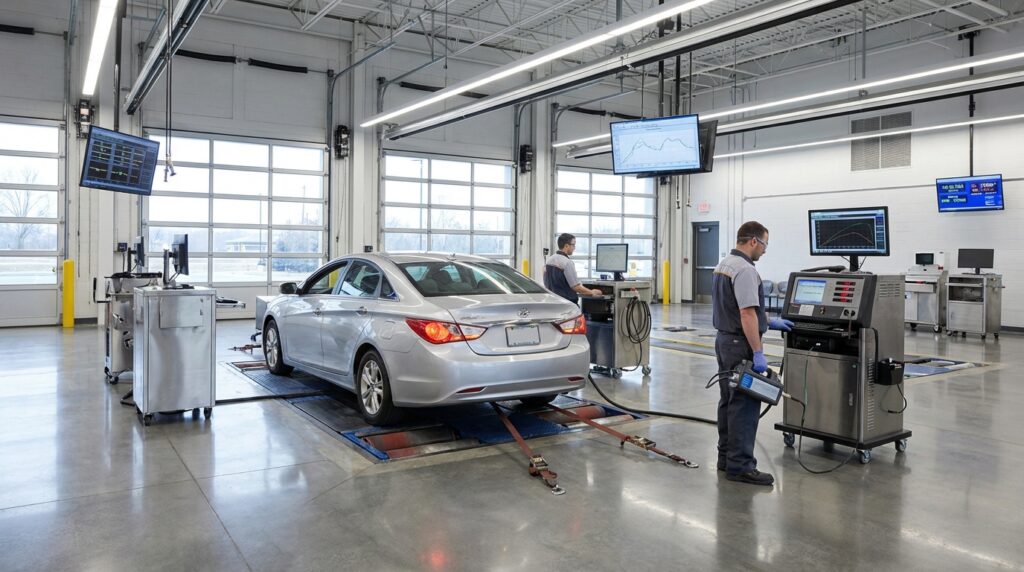
Money and the environment—two things heavily regulated by state governments. You need to understand how out-of-state rules affect your wallet and your tailpipe.
Can I finance a car bought out of state?
Yes, you absolutely can finance an out-of-state vehicle, but it requires a bit more coordination. If you buy from a dealership, their finance department can usually work with their network of lenders to secure a loan for you, regardless of where you live.
However, the smartest move is to secure your own financing before you travel. Visit your local credit union or bank and get a pre-approved auto loan. Your local bank understands your state’s title and registration laws perfectly. They will give you a check or a draft to hand to the seller. Using a local lender makes the entire process smoother and often scores you a lower interest rate.
Do out-of-state cars need to pass my state’s emissions test?
This is a crucial detail that catches many buyers off guard. Every car sold in the United States must meet Federal EPA emissions standards. However, several states (led by California) require cars to meet much stricter California Air Resources Board (CARB) standards.
If you live in a state with strict emissions laws (like California, New York, or Massachusetts), you cannot simply buy a car from a state with loose rules (like Florida) and bring it home. You must check the vehicle’s emissions label under the hood. It must explicitly state that the vehicle conforms to California regulations or is “50-state certified.”
If you buy a car that only has 49-state federal certification and bring it into a strict state, the DMV will refuse to register it. You will be stuck with a car you cannot legally drive. Always verify the emissions sticker before buying.
Checklist: What to Ask Before You Buy Out of State
Before you commit to a purchase, use this quick checklist to ensure you have covered all your bases. Save this list on your phone or print it out.
- Did I pull a full vehicle history report using the VIN?
- Has an independent mechanic performed a Pre-Purchase Inspection?
- Do I know exactly how the seller or dealer will handle my local sales tax?
- Have I called the seller’s local DMV to ask how to get a temporary transit tag?
- Has my insurance agent added the new VIN to my policy?
- Does the seller have the physical title in their name, ready to sign over?
- If I live in a strict emissions state, does the car have a 50-state emissions sticker?
- Have I compared the total cost of driving home versus shipping the car?
Frequently Asked Questions
Do I have to pay sales tax twice if I buy a car out of state?
No. You only pay sales tax to the state where you permanently register the vehicle. If a dealership collects tax from you, they remit it to your home state. If you buy privately, you pay the tax directly to your local DMV when you apply for license plates.
How do I drive a car home from another state without plates?
You must obtain a temporary transit tag (or trip permit) from the state where you purchased the car. You cannot use the seller’s old plates or plates from your previous vehicle. This temporary paper tag gives you a legal window to drive the car back to your home state.
How do I register a car bought in another state?
Bring the signed original title, a formal bill of sale, proof of insurance, your driver’s license, and proof of a VIN verification or emissions test to your local DMV. They will process the out-of-state title, collect your local taxes and fees, and issue your new plates.
Can I finance a car bought out of state?
Yes. The easiest method is to get pre-approved for an auto loan through your local bank or credit union before you travel. Out-of-state dealerships can also arrange financing for you through their national lending networks.
Do out-of-state cars need to pass my state’s emissions test?
Yes. If your home state requires emissions testing, the car must pass it before you can register it. Furthermore, buyers in strict CARB-compliant states (like California) must ensure the out-of-state vehicle has a 50-state emissions certification sticker under the hood.
Conclusion
Choosing to buy a car in another state opens up a world of possibilities. You gain access to better prices, rarer models, and cleaner vehicles. While the process requires more paperwork and careful planning than a local purchase, the rewards almost always outweigh the effort.
By securing a pre-purchase inspection, understanding your home state’s tax laws, and planning your trip or shipping logistics carefully, you eliminate the risks. You take control of the buying process. Do your research, ask the right questions, and do not let state borders stop you from driving home your dream car.
For more insights on finding the perfect vehicle, check out the USA.gov guide on vehicle safety and consumer rights to ensure your purchase is fully protected.