
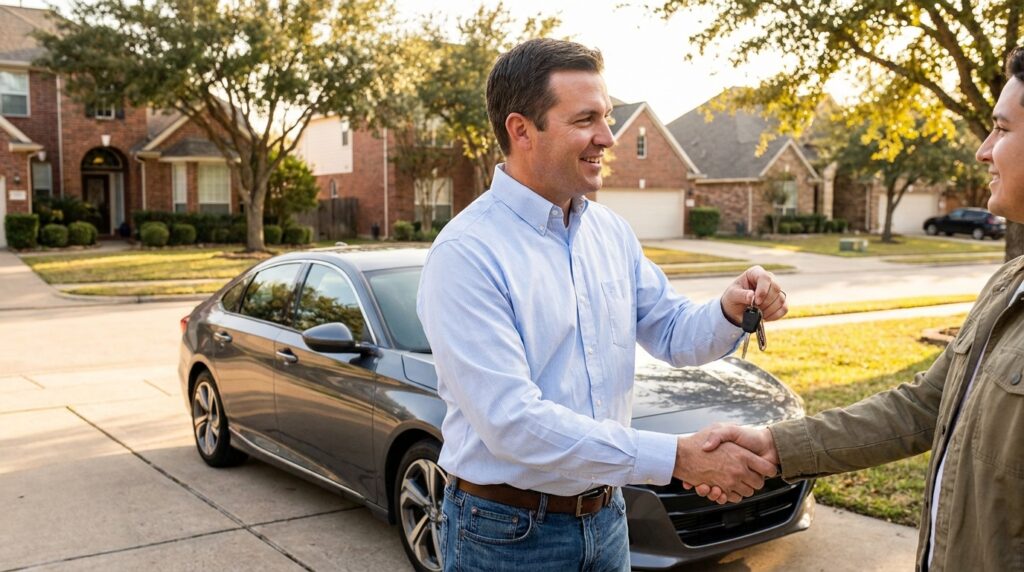
Selling a car privately can put a lot more money in your pocket than trading it in at a dealership. However, the legal paperwork can feel a bit overwhelming if you do not know the rules. You want a smooth, profitable transaction. Most importantly, you want to walk away without any future legal headaches.
If you are planning on selling a car in Texas, you must follow specific rules set by the Texas Department of Motor Vehicles (TxDMV). Missing a simple step could leave you paying the new owner’s toll road fees, parking tickets, or even facing liability for accidents they cause.
We built this comprehensive, easy-to-read guide to walk you through exactly how to sell a car privately in Texas. We will cover the paperwork you need, how to price your car, how to fill out the forms correctly, and the crucial steps you must take to protect yourself after handing over the keys.
Step 1: Gather the Required Paperwork
Before you list your car online or put a “For Sale” sign in the window, you need to get your documents in order. Having the right selling a car in Texas requirements ready will make you look professional to buyers and speed up the sale.
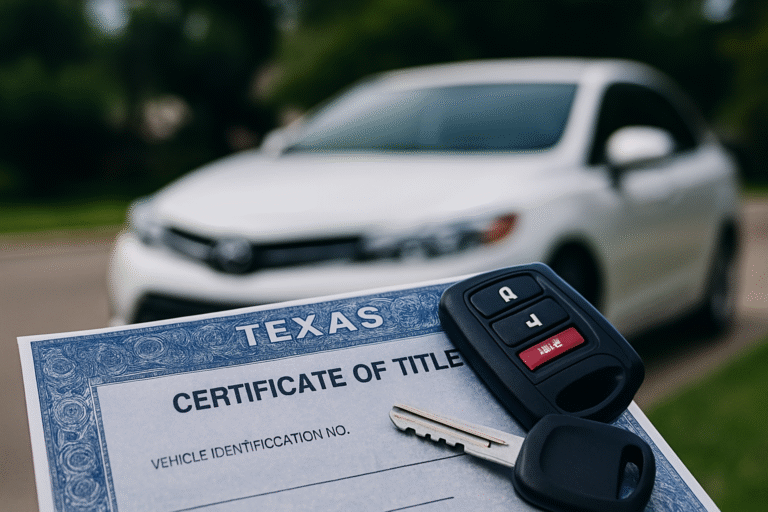
The Texas Certificate of Title
The title is the most important document you own. It proves you are the legal owner of the vehicle. To sell the car, you must have an original, clean title in your name. You cannot sell a car if the title is in someone else’s name (unless you are a licensed dealer or have a legal Power of Attorney).
Form 130-U (Application for Texas Title and/or Registration)
This is the official form the buyer needs to register the car in their name and pay the sales tax. As the seller, you must sign this document. Both the buyer and the seller fill out portions of the Form 130-U. You can download it directly from the TxDMV website. Print it out and have it ready for the buyer.
Valid Identification
You need a valid Texas driver’s license or state ID. The buyer needs to see your ID to verify that the name matches the name on the title. You should also ask to see the buyer’s ID to ensure you are filling out the paperwork with their correct legal name.
Maintenance Records (Optional but Highly Recommended)

While the state does not require maintenance records, buyers love them. Gather your oil change receipts, tire warranties, and repair bills. Showing that you took good care of the car builds trust and helps you get your asking price.
| Document Name | Required by State? | Who Keeps It? |
|---|---|---|
| Original Texas Title | Yes | Buyer takes it to Tax Office |
| Form 130-U | Yes | Buyer takes it to Tax Office |
| Bill of Sale | No (But Recommended) | Both get a copy |
| Current Vehicle Inspection | No | Buyer needs it to register |
Step 2: Prepare the Car and Set a Competitive Price
Now that your paperwork is ready, you need to prepare the actual vehicle. First impressions matter immensely when selling a car privately.
Clean and Detail the Vehicle
Do not sell a dirty car. Wash the exterior, wax the paint, and clean the windows. Spend time on the interior. Vacuum the carpets, wipe down the dashboard, and remove all your personal items. A clean car signals to the buyer that you maintained the vehicle well.
Take High-Quality Photos
Most buyers will find your car online through sites like Facebook Marketplace, Craigslist, or Autotrader. Great photos make your listing stand out. Take pictures during the day in good natural light. Make sure to photograph:
- The front, back, and both sides of the exterior.
- The front seats, back seats, and dashboard.
- The odometer showing the current mileage.
- The engine bay and the trunk.
- Any dents or scratches (be honest to save time later).
Determine the Right Asking Price
Setting the right price requires a bit of research. Use free tools like Kelley Blue Book (KBB) or the NADA Guide. Enter your car’s exact year, make, model, mileage, and condition. Look at the “Private Party Value” rather than the trade-in value.
Step 3: Safely Handle Test Drives and Negotiations

When buyers start messaging you, safety should be your top priority. You will deal with strangers, so you need to set clear boundaries.
Meeting the Buyer
Never invite strangers to your home if you can avoid it. Instead, suggest meeting in a safe, public location. Many local police stations have designated “Safe Exchange Zones” in their parking lots with 24/7 camera surveillance. Grocery store parking lots or bank lobbies also work well.
The Test Drive
Before you hand over the keys for a test drive, ask to see the buyer’s driver’s license. Snap a photo of it with your phone. You should always ride along in the passenger seat during the test drive. Turn the radio off so the buyer can hear the engine, and answer their questions honestly.
Negotiation and Payment
Once the buyer decides they want the car, they will likely make an offer. Stand firm on your bottom line. When you agree on a price, you need to handle payment safely.
- Cash is king: For cars under $5,000, cash is the safest and easiest method.
- Cashier’s Check: For larger amounts, accept a cashier’s check drawn from a local bank. Better yet, meet the buyer at their bank and watch the teller print the check.
- Avoid Personal Checks: Never accept a personal check. They can easily bounce days after the buyer drives away.
- Avoid App Payments for Large Sums: Do not use Zelle, Venmo, or CashApp for large vehicle purchases, as these platforms offer zero protection against fraud.
Step 4: Fill Out the Paperwork & Sign the Title Correctly

This step causes the most anxiety for sellers. Completing a Texas dmv title transfer requires precision. If you make a mistake, scratch something out, or sign in the wrong place, the state may reject the title.
Where to Sign the Title
Flip the Texas Certificate of Title over to the back. Look for the section titled “Assignment of Title.” You must fill out this section completely. Here is what you need to provide:
- Purchaser’s Name and Address: Write the buyer’s full legal name and current address exactly as it appears on their ID.
- Odometer Reading: Write down the exact mileage currently on the dashboard. Do not guess. Check the box indicating if the mileage is “Actual,” “Not Actual” (if the odometer is broken), or “Exceeds Mechanical Limits.”
- Date of Sale: Write the current date.
- Signature of Seller: Sign your name exactly as it appears on the front of the title. If two names are listed on the front with “AND,” both people must sign. If it says “OR,” only one person needs to sign.
- Printed Name of Seller: Print your name clearly next to your signature.
Signing Form 130-U
Next, pull out the Form 130-U. The buyer fills out most of this form. However, as the seller, you must sign the “Seller Signature” line at the bottom of the page. You do not need to notarize this form in Texas.
Step 5: The Bill of Sale (Do You Need One in Texas?)
Many sellers ask about this. Texas law does not strictly require a Bill of Sale to transfer ownership. The signed title and Form 130-U are enough for the tax office.
However, you should absolutely write a Bill of Sale anyway. A Bill of Sale acts as your personal receipt. It proves the date and time you sold the vehicle and the exact amount the buyer paid. If the buyer tries to dispute the sale later, or if the tax office questions the purchase price, the Bill of Sale protects you.
You can draft a simple Bill of Sale on a blank piece of paper. Make sure it includes the following details:
- The vehicle’s Year, Make, and Model.
- The Vehicle Identification Number (VIN).
- The agreed sale price.
- The date of the sale.
- A statement saying the car is sold “As-Is” (this protects you from paying for future repairs).
- The printed names and signatures of both the buyer and the seller.
Take a picture of the signed Bill of Sale with your phone, or make two copies so both you and the buyer can keep one.
Step 6: Protect Yourself After the Sale (Crucial Legal Steps)
You handed over the keys, the title, and you have the cash. But the transaction is not truly finished. You must take three final steps to protect yourself from liability.
1. Remove Your License Plates
In Texas, license plates stay with the seller, not the vehicle. You must unscrew your license plates and take them with you before the buyer drives away. Keeping your plates ensures you do not receive the buyer’s future parking tickets, red light camera citations, or toll road bills.
How does the buyer drive the car home without plates? The buyer should go online to the TxDMV website before meeting you to print a Vehicle Transit Permit. This temporary permit lasts for 5 days and legally allows them to drive the car to the county tax office to register it and get new plates.
2. File a Texas Vehicle Transfer Notification
This is the single most important step you take after the sale. You have exactly 30 days from the date of sale to file a Texas vehicle transfer notification.
Filing this notification legally separates you from the vehicle. If the buyer robs a bank in the car, hits a pedestrian, or abandons the car on the highway before registering it in their name, the police will run the VIN. The system will show that you filed a transfer notification, proving you no longer own the car and keeping you out of legal trouble.
3. Cancel Your Auto Insurance and Toll Tags
Once you remove the plates and file the transfer notification, call your auto insurance provider. Cancel the policy on that specific vehicle so you stop paying premiums. If you prepaid for the year, you will get a prorated refund.
Finally, peel off any toll tags (like TxTag, EZ TAG, or TollTag) from the windshield. Log into your toll account and remove the vehicle so you do not accidentally pay for the new owner’s highway commutes.
Frequently Asked Questions About Selling a Car in Texas
We gathered the most common questions Texans ask when navigating a private car sale. Here are the direct answers you need.
What paperwork do I need to sell a car in Texas?
You need the original Texas Certificate of Title (in your name) and a completed Form 130-U (Application for Texas Title and/or Registration). While not legally required by the state, a written Bill of Sale is highly recommended for your personal records.
Do I keep my license plates when selling a car in Texas?
Yes. Texas law requires sellers to remove and keep their license plates. You can transfer your old plates to a new vehicle you buy, or dispose of them. The buyer must obtain a temporary transit permit or apply for new plates at the county tax office.
How do I notify the State of Texas that I sold my car?
You must submit a Vehicle Transfer Notification online through the official TxDMV website within 30 days of the sale. This legally removes your liability for the vehicle regarding future tickets, tolls, or crimes committed by the buyer.
Can I sell a car in Texas without a title?
No. You cannot legally sell a vehicle in Texas without the title. If you lost your title, you must complete Form VTR-34, pay a small fee, and apply for a certified copy of the title from the TxDMV before you can sell the car.
Where do I sign the Texas vehicle title?
You must sign and print your name on the back of the title in the section labeled “Assignment of Title.” You must also fill in the buyer’s name, their address, the exact odometer reading, and the date of the sale.
Do I need to get the car inspected before selling it?
No, the seller does not have to provide a vehicle inspection. It is the buyer’s responsibility to get a passing vehicle inspection in order to register the car at their local county tax office. However, selling a car with a fresh inspection can make the car more appealing to buyers.
Who pays the vehicle sales tax in Texas?
The buyer pays the motor vehicle sales tax. In Texas, the tax rate is 6.25% of the purchase price or the standard presumptive value of the car, whichever is higher. The buyer pays this directly to the county tax assessor-collector when they register the car.
Conclusion
Successfully selling a car in Texas requires attention to detail, but the process is straightforward once you know the steps. Focus on honesty, transparency, and doing the paperwork by the book.
Remember this final quick checklist before you wave goodbye to your old car:
Sign the back of the title perfectly without mistakes.
Both sign the Form 130-U.
Write a clear Bill of Sale.
Take your license plates off the car.
File the Vehicle Transfer Notification online.
If you follow these steps, you will secure the best price for your vehicle and ensure your peace of mind long after the sale is complete. Good luck with your sale!