

Hybrid vehicles are taking over the roads. Millions of drivers now choose hybrids to save money at the gas pump and reduce their carbon footprint. You enjoy incredible fuel economy, quiet drives, and an eco-friendly lifestyle. But what happens when the dashboard warning lights turn on?
While hybrids save you money on gas, their advanced dual-engine systems require specialized care. You have a traditional gas engine working side-by-side with a powerful electric motor. This brilliant engineering creates unique maintenance needs. You cannot treat a hybrid exactly like a standard car.
Finding reliable hybrid car repair can feel overwhelming. Many drivers worry about hidden costs, expensive batteries, and finding mechanics who actually know what they are doing. This comprehensive guide will demystify the repair process. We will walk you through common issues, breakdown real-world costs, and show you exactly how to manage your HEV maintenance.
Whether you currently own a hybrid or plan to buy one soon, this expert guide gives you everything you need to know to keep your vehicle running smoothly for years.
How is Hybrid Car Repair Different from Traditional Cars?
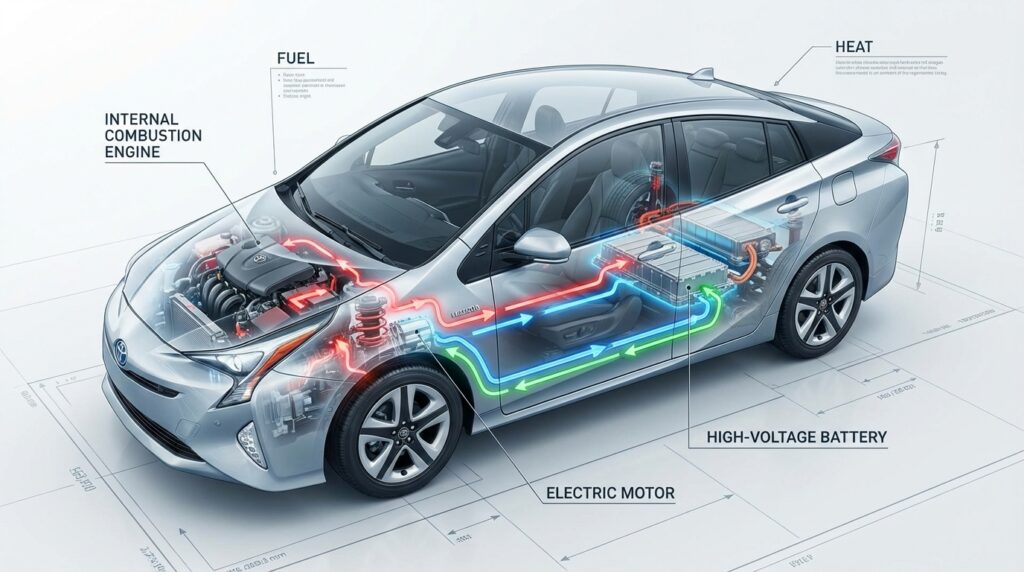
To understand hybrid repairs, you must first understand how these cars work. A traditional car relies solely on an internal combustion engine (ICE). A hybrid vehicle pairs that internal combustion engine with an electric motor and a high-voltage battery.
This dual system means your hybrid has components that regular cars simply do not have. Your car relies on a complex hybrid drivetrain to switch seamlessly between gas and electric power. It also uses specialized computer modules to manage energy flow.
Some maintenance tasks remain exactly the same. You still need regular oil changes, tire rotations, and wiper blade replacements. However, the electrical side of the vehicle requires a completely different approach. Mechanics use advanced diagnostic software to read hybrid-specific codes. They also need special training to handle the dangerous voltage levels safely.
| Maintenance Type | Traditional Gas Car | Hybrid Car |
|---|---|---|
| Oil Changes | Every 3,000 to 5,000 miles | Every 5,000 to 10,000 miles (Engine runs less often) |
| Brake Wear | Pads wear out quickly (Every 30k-50k miles) | Pads last much longer due to regenerative braking |
| Drivetrain | Standard transmission | Complex hybrid drivetrain (often eCVT) |
| Battery System | Single 12-volt battery | 12-volt battery PLUS a high-voltage battery pack |
What is the Most Common Repair on a Hybrid Car?
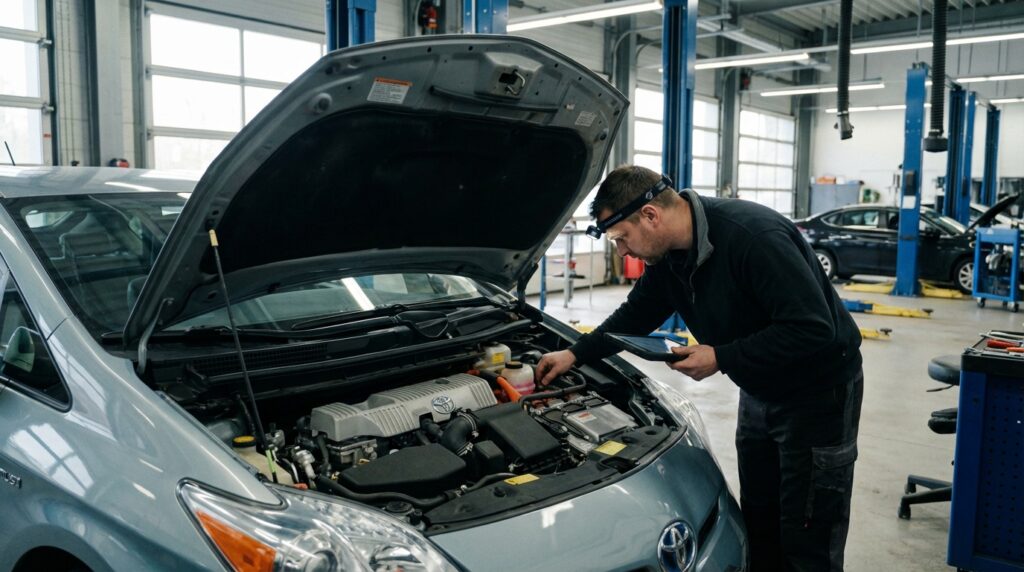
Hybrid vehicles are generally highly reliable. They experience less wear and tear on the gas engine because the electric motor shares the heavy lifting. However, specific components do fail over time. When looking for hybrid car repair, drivers frequently face a few specific issues.
Here are the most common repairs you might encounter as a hybrid owner:
Weak or Failing High-Voltage Batteries
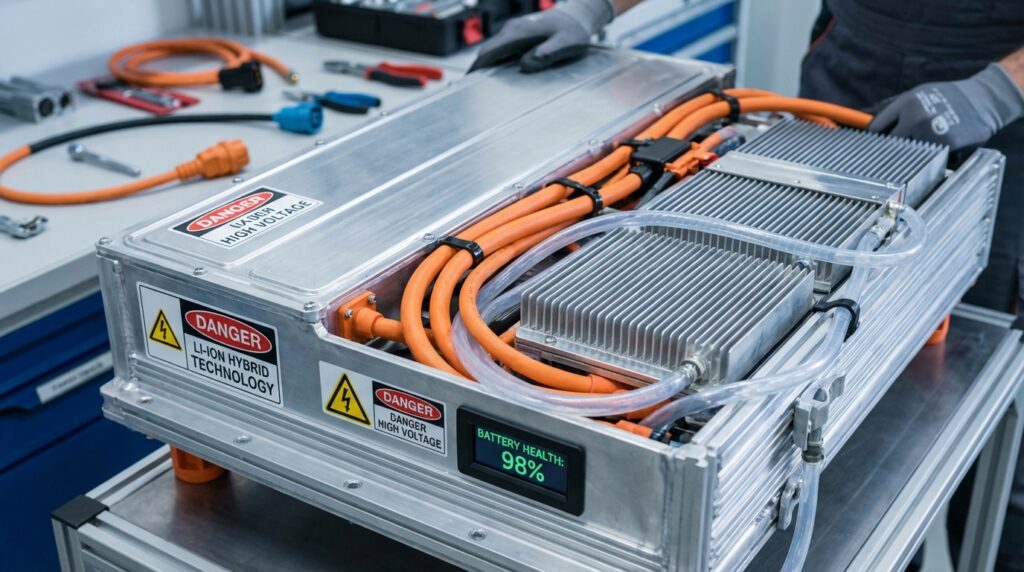
The battery is the heart of your hybrid system. Over time, the cells inside the high-voltage battery degrade. They lose their ability to hold a full charge. You might notice your gas mileage dropping significantly. The engine might run more frequently, and the battery charge indicator on your dashboard might fluctuate rapidly.
A failing battery often triggers the dreaded “Check Hybrid System” warning light. When this happens, the car usually goes into a reduced power mode to protect the drivetrain.
Inverter Issues and Cooling System Leaks
The inverter plays a crucial role in your car. The battery stores Direct Current (DC) power, but the electric motor runs on Alternating Current (AC). The inverter flips the power back and forth. Because it handles massive amounts of electricity, it generates intense heat.
To prevent melting, hybrids have a dedicated inverter cooling system. If the cooling pump fails or the coolant leaks, the inverter will overheat and shut down the vehicle. Replacing an inverter or its cooling pump is a very common hybrid repair.
Oxygen Sensor Replacements
Hybrid engines turn on and off constantly while you drive. This start-stop action creates unique heat cycles in the exhaust system. Because of these rapid temperature changes, oxygen (O2) sensors tend to fail faster in hybrids than in traditional cars.
A bad O2 sensor will trigger your check engine light. It also ruins your fuel efficiency and causes your car to produce higher emissions. Thankfully, replacing an oxygen sensor is a relatively quick and affordable repair.
Regenerative Braking Maintenance
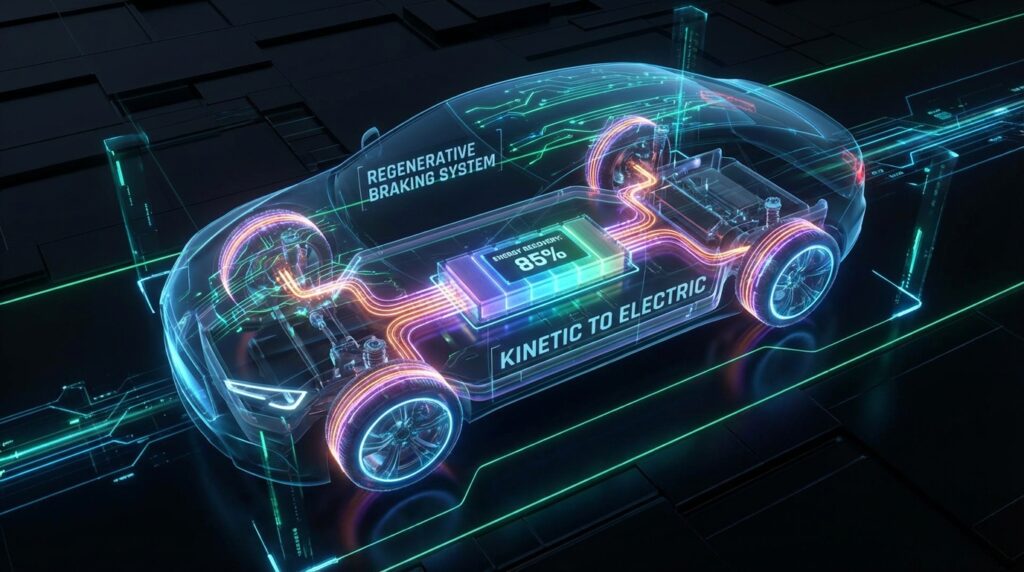
Hybrids use regenerative braking. When you step on the brake pedal, the electric motor reverses itself to slow the car down, generating electricity to recharge the battery. This means the actual brake pads barely touch the rotors during normal driving.
While this makes your brake pads last a very long time, it creates a different problem. Because the mechanical brakes rarely engage, the metal parts can build up rust. The brake caliper slide pins often seize up due to lack of use and moisture. Regular brake repair and lubrication services are essential to keep the system moving freely.
Are Hybrid Cars More Expensive to Repair?
This is the most common question potential buyers ask. Are you actually saving money, or will repair bills eat up your gas savings? The honest answer requires us to look at the big picture. You must separate routine maintenance from major repairs.
Routine maintenance is usually cheaper. Because the electric motor assists the gas engine, your engine experiences far less strain. You need fewer oil changes. Because of regenerative braking, your brake pads can easily last 80,000 to 100,000 miles. Over five to seven years, you will likely spend less on basic upkeep compared to a regular car.
Major repairs can be more expensive. When something big breaks, the costs escalate quickly. The high-voltage battery, the inverter, and the hybrid control modules are highly specialized parts. You also pay for specialized labor because not everyone can work on these vehicles safely. However, because hybrids are incredibly well-engineered, these major breakdowns happen infrequently.
The Big Question: How Much Does a Hybrid Battery Replacement Cost?
Nothing scares a hybrid owner quite like the thought of replacing the main battery. It is the most famous hybrid car repair, and it carries a reputation for being very expensive. But how much does it actually cost?
The cost depends heavily on your vehicle’s make, model, and year. On average, a brand-new hybrid battery replacement costs between $2,000 and $6,000 at a dealership. For example, a newer Prius repair might fall on the lower end of that scale, while luxury hybrid SUVs will cost much more.
Fortunately, you have alternatives to buying a brand-new battery. The aftermarket industry has grown rapidly, giving you excellent options to save money:
- Brand New OEM Battery: The most expensive option, but it provides maximum peace of mind and the longest lifespan.
- Refurbished Battery: Technicians take a used battery pack, identify the bad cells, and replace them with good cells. This option usually costs between $1,500 and $2,500 and comes with a decent warranty.
- Battery Reconditioning: This is a maintenance process rather than a replacement. Technicians hook the battery up to a machine that deep-discharges and recharges the cells multiple times. This restores lost capacity and balances the pack. It costs under $1,000 but only works if the cells are not physically damaged.
Before assuming you need a $4,000 replacement, always ask your mechanic to perform a deep diagnostic test. Sometimes, the problem is just a dirty cooling fan or a single bad cell module.
Can a Regular Mechanic Work on a Hybrid Car?
If you search for a “hybrid mechanic near me,” you will notice that not every local garage pops up. You might wonder if you can just take your hybrid to the mechanic you have used for years.
The answer is both yes and no.
For basic mechanical tasks, a regular mechanic can definitely help you. Changing tires, replacing wiper blades, swapping out the cabin air filter, and changing the oil do not require hybrid expertise. The mechanical parts of the gas engine function just like any other car.
However, for any electrical, drivetrain, or diagnostic work, you absolutely need a certified hybrid technician. Regular mechanics lack the specialized safety gear, insulated tools, and diagnostic scanners required to communicate with hybrid computer modules. More importantly, making a mistake with the high-voltage system can result in severe injury or catastrophic damage to the car.
When choosing a shop for a major repair, you must look for specific credentials. Ask if the shop has mechanics with an ASE L3 Light Duty Hybrid/Electric Vehicle Certification. The National Institute for Automotive Service Excellence (ASE) provides this certification only to technicians who pass rigorous testing on hybrid drive systems and safety protocols.
How Long Do Hybrid Cars Last Before Needing Major Repairs?
Many drivers hold onto the outdated belief that hybrid batteries die after five years. This simply is not true anymore. Automotive manufacturers have perfected HEV maintenance and battery technology over the last two decades.
Today, a well-maintained hybrid car will easily last 150,000 to 200,000 miles before requiring any major electrical repairs. Many hybrid taxis easily exceed 300,000 miles on their original powertrains. The secret to this longevity is the battery management system. The car’s computer never lets the battery fully charge to 100%, and it never lets it fully drain to 0%. This smart management drastically extends the life of the battery cells.
Furthermore, federal law protects hybrid buyers. In the United States, manufacturers must provide a warranty on the hybrid battery and related components for at least 8 years or 100,000 miles. In states that follow California emissions standards, that warranty extends to 10 years or 150,000 miles. If the battery fails within this window, the dealership will replace it completely free of charge.
Tips for Choosing the Best Hybrid Auto Repair Shop
Finding the right repair facility ensures your vehicle stays reliable and safe. You do not want to hand your keys to someone guessing how the system works. Follow these expert tips to choose the right repair shop for your hybrid vehicle:
- Verify their Certifications: Do not just ask if they work on hybrids. Specifically ask if they have an ASE Certified Hybrid Technician on staff. Look for the ASE Blue Seal of Excellence in their waiting room.
- Ask About Their Equipment: Modern hybrids require manufacturer-specific scan tools. Ask the service advisor if they use specialized software to read hybrid battery cell voltage blocks. A good shop will gladly explain their diagnostic process.
- Check Targeted Reviews: Go online and read their customer reviews. Do not just look at the star rating. Search the reviews specifically for words like “hybrid,” “Prius,” or “battery.” You want to see positive experiences from other hybrid owners.
- Inquire About Warranties: A reputable repair shop stands behind its work. If they install a refurbished battery or a new inverter, they should offer a strong parts and labor warranty lasting at least 12 to 24 months.
Frequently Asked Questions About Hybrid Car Repair
Are hybrid cars more expensive to repair than gas cars?
Routine maintenance is usually cheaper because the electric motor reduces wear and tear on the gas engine and brake pads. However, if a major electrical component fails—like the inverter or high-voltage battery—the repair will be more expensive due to the cost of specialized parts and expert labor.
Can a regular mechanic work on a hybrid car?
A regular mechanic can handle basic tasks like oil changes, tire rotations, and cabin air filter replacements. However, for any electrical diagnostics, battery work, or drivetrain issues, you must use an ASE-certified hybrid technician who is trained to safely handle high-voltage systems.
What is the most common repair on a hybrid car?
The most common hybrid-specific repairs include replacing a degraded high-voltage battery, fixing inverter cooling pump leaks, replacing oxygen sensors, and servicing seized brake calipers caused by the infrequent use of the mechanical brakes.
How much does it cost to replace a hybrid car battery?
A brand-new hybrid battery replacement from a dealership typically costs between $2,000 and $6,000 depending on the vehicle model. To save money, many drivers choose refurbished batteries or battery reconditioning, which generally cost between $1,000 and $2,500.
How long do hybrid cars last before needing major repairs?
With proper routine maintenance, modern hybrid cars can easily last 150,000 to 200,000 miles before needing major electrical repairs. Furthermore, federal law requires manufacturers to provide a warranty on hybrid batteries for at least 8 years or 100,000 miles.
Conclusion
Owning a hybrid vehicle offers a fantastic driving experience filled with smooth rides and exceptional fuel savings. While hybrid car repair seems intimidating at first, understanding the basics removes the fear. Your vehicle uses a brilliant combination of gas and electric power.
By staying on top of routine HEV maintenance, keeping the cooling systems clean, and addressing dashboard warning lights immediately, you can avoid massive repair bills. Remember that routine upkeep actually costs less than traditional cars. When the time comes for a major repair, you now know your options regarding battery replacement costs and how to find the right certified professional for the job.