
The Toyota Camry has earned a legendary reputation for being one of the most dependable vehicles on the road. For decades, it has set the gold standard for mechanical longevity, with engines and transmissions that often last well over 200,000 miles with basic maintenance. However, even a car as robust as the Camry isn’t immune to the complexities of modern automotive engineering.
As vehicles have become more advanced, they rely heavily on sophisticated electronics. From infotainment screens to safety sensors, the electrical architecture of a modern sedan is massive. Consequently, Toyota Camry electrical problems have become a more frequent topic of discussion among owners and mechanics alike.
While these issues usually aren’t catastrophic, they can be frustrating. Whether you are dealing with a dead battery, a glitching dashboard, or a stubborn power window, knowing what to look for is half the battle. This article is designed for current owners and prospective buyers who want a realistic, honest breakdown of the electrical quirks associated with this best-selling sedan.
We will dive deep into the most common faults, the specific model years at risk, and the costs you can expect to pay to get them fixed.
How Reliable Is the Toyota Camry Electrical System?
Before we dissect the specific failures, it is important to look at the big picture. Is the Toyota Camry electrical system unreliable? The short answer is no. Compared to many European competitors and even some domestic rivals, the Camry’s electrical architecture is simple, durable, and well-tested.
However, there is a distinct difference between older and newer generations. The “golden era” Camrys (late 90s to mid-2000s) had very little technology to break. They had simple radios, basic cruise control, and standard halogen headlights.
Newer generations, specifically from 2012 onwards and even more so after the 2018 redesign, are packed with technology. Features like the Toyota Safety Sense suite, Entune infotainment systems, and electronic parking brakes introduce more potential points of failure. While the core wiring remains robust, the peripherals—sensors, screens, and actuators—are where most Camry electrical issues arise.
According to data from the National Highway Traffic Safety Administration (NHTSA) and various consumer reliability surveys, electrical complaints usually rank lower than mechanical concerns, but they are rising as cars become more computerized.
Most Common Toyota Camry Electrical Problems
If you are experiencing electrical gremlins, you are likely not the only one. We have compiled a list of the most frequent electrical failures reported by owners and certified mechanics. Below, we break down symptoms, causes, and severity for each.
1. Excessive Battery Drain (Parasitic Draw)
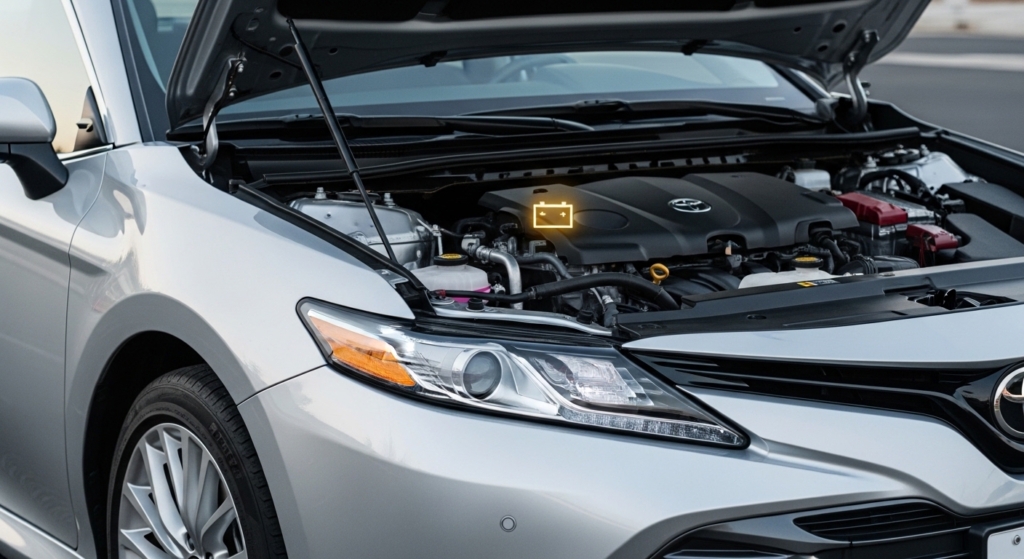
One of the most annoying Toyota Camry battery problems is waking up to a dead car, even if the battery is relatively new. This is often caused by a parasitic draw—a component that keeps pulling power even when the ignition is turned off.
- Symptoms: The car requires a jump start after sitting for 2–3 days; the battery dies frequently despite testing “good” at the auto parts store.
- Affected Model Years: Common in 2012–2017 models and some 2018+ models.
- Main Cause: Often traced to aftermarket alarm systems, a glitching infotainment unit that doesn’t “sleep,” or a stuck relay.
- Severity: Moderate. It won’t damage the engine, but it kills batteries and leaves you stranded.
2. Door Lock Actuator Failure
This is a classic issue that plagued the Camry for years. The electric motor inside the door lock assembly burns out, making the power lock switch useless for that specific door.
- Symptoms: Pressing the lock/unlock button on the fob or door panel works for three doors, but one door remains unresponsive. It must be locked manually with the key or the physical tab.
- Affected Model Years: Highly prevalent in 2007–2014 models.
- Main Cause: The internal electric motor within the actuator assembly wears out prematurely due to heat and frequent use.
- Severity: Minor/Annoying. It poses a security risk if you forget to manually lock the affected door.
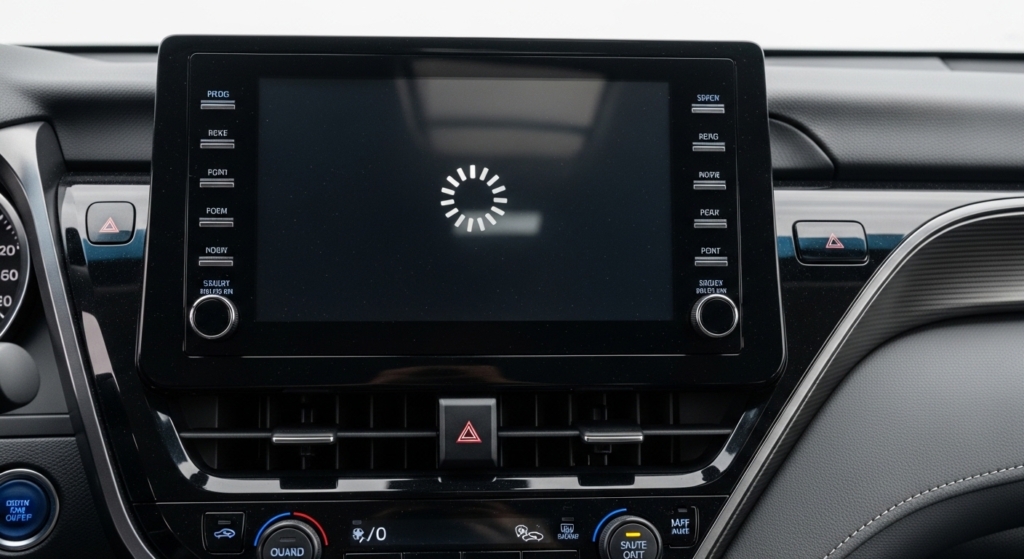
3. Infotainment System Freezing and Rebooting
With the introduction of the Entune 3.0 system, complaints about Camry electrical system failures regarding the radio and navigation spiked. Software stability has been a weak point for recent model years.
- Symptoms: The touchscreen freezes, the backup camera fails to load, Bluetooth disconnects randomly, or the system gets stuck in an endless reboot loop.
- Affected Model Years: 2018–2021 models are the worst offenders.
- Main Cause: Poorly optimized software firmware. In rare cases, the head unit hardware itself is defective.
- Severity: Minor. It does not affect drivability, but it is extremely frustrating for a modern car.
4. Alternator Failure
While the alternator is a wear item on any vehicle, certain Camry generations see them fail earlier than expected. The alternator is responsible for charging the battery while the engine runs; when it dies, the car runs off the battery until it stalls.
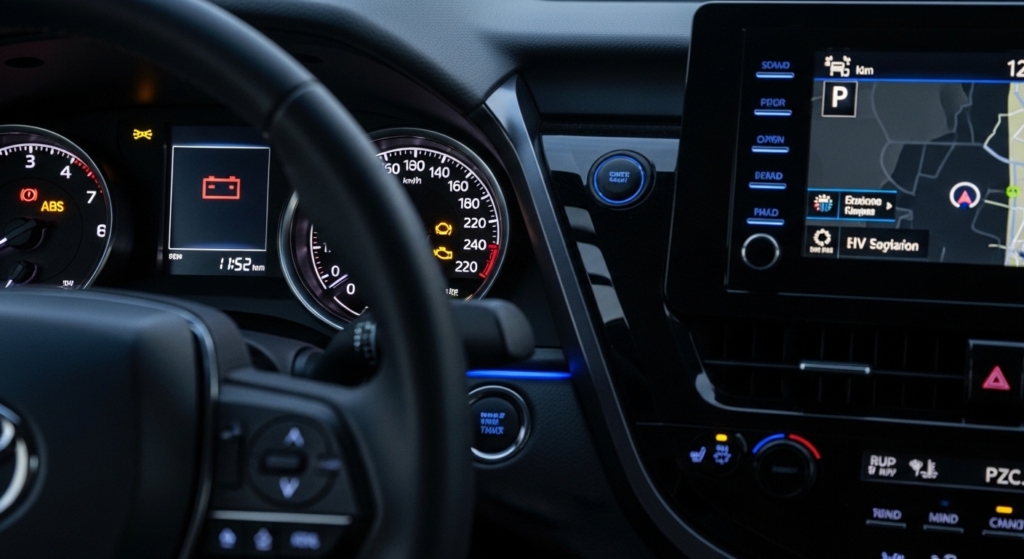
- Symptoms: Dimming headlights, slow power windows, a whining noise from the engine bay, and the battery warning light illuminating on the dashboard.
- Affected Model Years: 2007–2009 (V6 models) and occasionally 2015 models.
- Main Cause: Diode failure inside the alternator or decoupler pulley wear.
- Severity: Critical. If the alternator fails while driving, the vehicle will eventually shut down completely.
5. Rodent Damage to Soy-Based Wiring
This is a controversial topic, but a very real one. To be more eco-friendly, Toyota (along with many other manufacturers) switched to soy-based wire insulation. Unfortunately, rodents find this material delicious.
- Symptoms: Sudden, multiple warning lights, car refusing to start, or visible chewed wires under the hood. Toyota Camry wiring issues caused by rats or squirrels can disable the car overnight.
- Affected Model Years: 2012–Present.
- Main Cause: Organic insulation materials attract pests, especially in colder climates.
- Severity: Variable. It can range from a broken sensor wire to a completely destroyed main harness, costing thousands.
6. Dashboard Warning Lights (ABS and VSC)
Many owners report Camry dashboard warning lights coming on simultaneously—specifically the Check Engine, ABS, and VSC (Vehicle Stability Control) lights. This is often called the “Christmas Tree” effect.
- Symptoms: Multiple warning lights appear. The car may drive normally, or it may go into “limp mode.”
- Affected Model Years: 2007–2011 (Hybrid and Gas).
- Main Cause: Often a faulty ABS wheel speed sensor or a failing brake light switch. In Hybrids, it can indicate a failing ABS actuator.
- Severity: Moderate to Serious. You lose safety features like anti-lock braking and traction control.
7. Starter Solenoid Contacts Wearing Out
On older Camrys, the starter motor itself is durable, but the electrical contacts inside the solenoid wear down, breaking the circuit required to turn the engine over.
- Symptoms: You turn the key and hear a single loud “click,” but the engine doesn’t crank. After trying a few times, it might start.
- Affected Model Years: 1997–2009 models.
- Main Cause: Physical wear of the copper contacts inside the starter solenoid.
- Severity: Moderate. You will eventually be stranded, but it gives warning signs first.
8. Melting Dashboard and Sticky Surfaces
While this seems cosmetic, it affects the electrical components embedded in the dash. Toyota faced a massive issue where dashboards melted in heat and humidity.
- Symptoms: The dashboard becomes shiny and sticky. In severe cases, the melting material can seep into electrical switches or the hazard light button, causing them to stick.
- Affected Model Years: 2007–2011.
- Main Cause: Defective polymer material used in manufacturing.
- Severity: Minor, mostly cosmetic unless material enters switches.
9. Power Window Master Switch Failure
The driver’s side master switch controls all windows. When this electrical board fails, you lose control over one or all windows.
- Symptoms: Windows operate intermittently or stop working altogether. Sometimes the window gets stuck in the down position.
- Affected Model Years: 2007–2011 models.
- Main Cause: Contacts inside the switch become carbonized or the mechanism breaks physically.
- Severity: Minor. However, a window stuck down in the rain becomes a major problem.
Toyota Camry Electrical Problems by Model Year
To help you identify if your specific vehicle is at risk, we have categorized the electrical reliability by generation.
Worst Toyota Camry Years to Avoid
| Model Years | Common Electrical Issues | Risk Level |
|---|---|---|
| 2002–2006 | Starter contacts, O2 sensors, Alternator | Low |
| 2007–2011 | Door lock actuators, Oil consumption (leading to fouled plugs), Melting dash, ABS modules | High |
| 2012–2017 | Touchscreen lag, Musty AC smells (sensor issues), Torque converter shudder (software fix) | Low/Medium |
| 2018–Present | Entune software glitches, Fuel pump failures (electrical recall), Battery drain | Medium |
Warning Signs You Should Never Ignore
Electrical issues often start small before causing a total breakdown. If you notice any of the following, schedule an inspection immediately:
- Burning Smell: The scent of burning plastic or ozone inside the cabin usually indicates a melting wire or overheating switch.
- Flickering Lights: If your dashboard lights or headlights pulse or flicker while idling, your alternator or voltage regulator is failing.
- Slow Cranking: If the engine turns over slowly (groaning sound) even when the weather isn’t cold, your battery or starter is on its last legs.
- Hot Battery Terminals: If the battery posts are hot to the touch, there is high resistance, likely from corrosion or a loose connection.
- Recurrent Blown Fuses: If you replace a fuse and it blows again immediately, you have a short circuit. Do not put a larger fuse in; this can cause a fire.
Repair Cost Breakdown
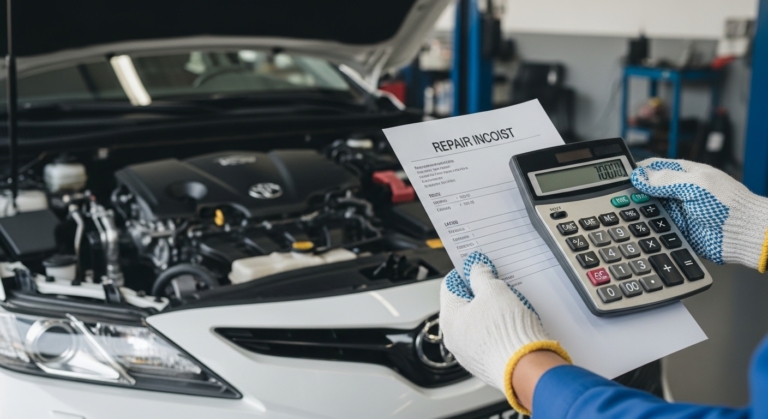
Understanding the financial impact of repairs is crucial. The costs below are estimates for the US market, including parts and labor. Prices will vary depending on whether you choose a Toyota dealership or an independent mechanic.
| Repair Item | Independent Mechanic Cost | Dealership Cost |
|---|---|---|
| Diagnostic Fee | $100 – $150 | $150 – $200 |
| Replace Alternator | $400 – $600 | $700 – $950 |
| Replace Door Lock Actuator (Per Door) | $250 – $350 | $450 – $600 |
| New Battery | $150 – $200 | $200 – $300 |
| Replace Starter Motor | $350 – $550 | $600 – $800 |
| Infotainment Unit Replacement (Out of Warranty) | $500 – $1,200 (Used/Refurb) | $2,500+ |
| Wiring Harness Repair (Rodent Damage) | $300 – $1,500 | $500 – $3,000+ |
Note: For more information on general maintenance costs, check our guide on Toyota Camry common problems.
Can Electrical Problems Be Prevented?
While you cannot stop a sensor from aging, you can significantly extend the life of your electrical system with proactive care.
1. Keep the Battery Terminals Clean
Corrosion adds resistance to the electrical flow, making the alternator and starter work harder. Clean the terminals with a mixture of baking soda and water or a dedicated wire brush at every oil change.
2. Be Careful with Aftermarket Accessories
Many Camry electrical issues are self-inflicted. Poorly installed remote starters, high-powered subwoofers, and cheap LED headlight kits can overload the wiring harness or cause parasitic drains. Always use fused circuits for add-ons.
3. Perform Software Updates
For 2018 and newer models, Toyota releases over-the-air updates for the infotainment system. Ensure your car is connected to Wi-Fi occasionally to download these patches, which fix freezing and rebooting glitches.
4. Rodent Proofing
If you park outside, consider using peppermint oil sprays or ultrasonic repellents in the engine bay to discourage animals from chewing on the soy-based wiring.
5. Clear the Drain Tubes
If your Camry has a sunroof, ensure the drain tubes are clear. If they clog, water can leak down the A-pillar and flood the fuse box behind the dashboard, causing catastrophic electrical failure.
Electrical Problems After 100,000 Miles
Once your Camry passes the 100,000-mile mark, the nature of electrical issues changes. You move from “factory defects” to “wear and tear.”
At high mileage, plastic connectors become brittle. If you are doing a spark plug change, the coil pack connectors might snap. Ground straps (braided metal wires connecting the engine to the frame) often corrode, leading to weird voltage issues.
Oxygen (O2) sensors and Mass Air Flow (MAF) sensors are also likely to fail after 100k miles. These are standard maintenance items, but they will trigger the Check Engine Light and can be mistaken for deeper electrical gremlins.
Toyota Camry Reliability After 100k Miles
Frequently Asked Questions (FAQ)
Is there a recall for Toyota Camry electrical problems?
Yes, there have been several recalls over the years. Notably, some 2018-2019 models were recalled for fuel pump failures (electrical motor issue), and older models had recalls for window switches. You can check your VIN on the NHTSA website to see if your car is affected.
Why does my Camry battery keep dying?
If the battery and alternator test good, you likely have a parasitic draw. Common culprits in the Camry include a trunk light switch that stays on, an aftermarket alarm, or a frozen software module in the infotainment system.
How do I reset the electrical system on my Camry?
To perform a “hard reset,” disconnect the negative (black) battery terminal for 15–20 minutes. This will clear temporary memory in the ECU and radio. Be aware that you may lose saved radio presets and the car may idle roughly for a few minutes while it relearns fuel trims.
Can I drive with the battery light on?
No. The battery light indicates the charging system (alternator) has failed. You are running solely on the remaining energy in the battery. Depending on electrical load, you may only have 10–20 minutes of driving before the engine shuts off completely.
Final Thoughts
Dealing with Toyota Camry electrical problems can be stressful, but it is important to keep things in perspective. The Camry remains one of the most reliable vehicles ever built. The issues listed in this article are common, but they are not guaranteed to happen to every car.
Most electrical failures on the Camry are well-documented, meaning mechanics know exactly how to diagnose and fix them quickly. By staying on top of battery maintenance, avoiding cheap aftermarket electronics, and addressing warning lights immediately, you can keep your Camry running smoothly for years to come.
If you are in the market for a used Camry, pay special attention to the door locks and infotainment system during your test drive. A simple check now can save you hundreds of dollars later.