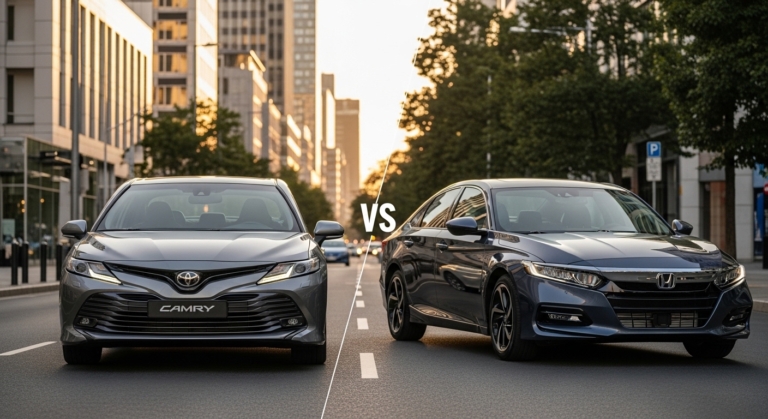

There is an old joke among mechanics that a Toyota Camry typically doesn’t even finish its “break-in” period until it hits 100,000 miles. While that’s a bit of an exaggeration, it’s rooted in truth. For decades, the Camry has been the gold standard for midsize sedan longevity. But if you are currently driving one approaching the six-figure odometer mark, or if you are looking to buy a used one that has already crossed it, you need to separate the legend from reality.
Crossing 100,000 miles is a major psychological milestone, and mechanically, it is the point where maintenance shifts from “preventative” to “corrective.” Even the most robust machines experience wear and tear. Rubber dries out, fluids degrade, and suspension components lose their tension.
In this guide, we will look at exactly what happens to toyota camry reliability after 100k miles. We’ll break down which parts tend to fail, which generations stand the test of time best, and how to keep this legendary sedan running for another decade.
The Reality of High Mileage: It’s Not Magic, It’s Engineering
Is a Toyota Camry reliable long term? Yes, absolutely. But it is not invincible. The reason these cars are known for high mileage reliability isn’t because parts never break; it’s because the core powertrain (the engine and transmission) is generally over-engineered and under-stressed.
However, the difference between a Camry that reaches 200,000 miles and one that dies at 120,000 miles almost always comes down to the previous owner’s habits. A Camry with 110,000 miles that has seen regular oil changes is often a safer bet than one with 60,000 miles that has been neglected.
4-Cylinder vs. V6: Which Ages Better?
Most Camrys on the road feature either a 4-cylinder engine or a V6. Both are excellent, but they age differently.
- The 4-Cylinder (2.5L): This is the workhorse. It is lighter, easier to work on, and generally has lower maintenance costs. There is more room in the engine bay, meaning labor costs for repairs (like replacing an alternator or water pump) are often cheaper.
- The V6 (3.5L): Toyota’s V6 engines are incredibly smooth and powerful. However, they are crammed tightly into the engine bay. Simple jobs, like changing rear spark plugs or replacing an oxygen sensor, can be much more labor-intensive and expensive as mileage climbs.
What Usually Fails After 100k Miles
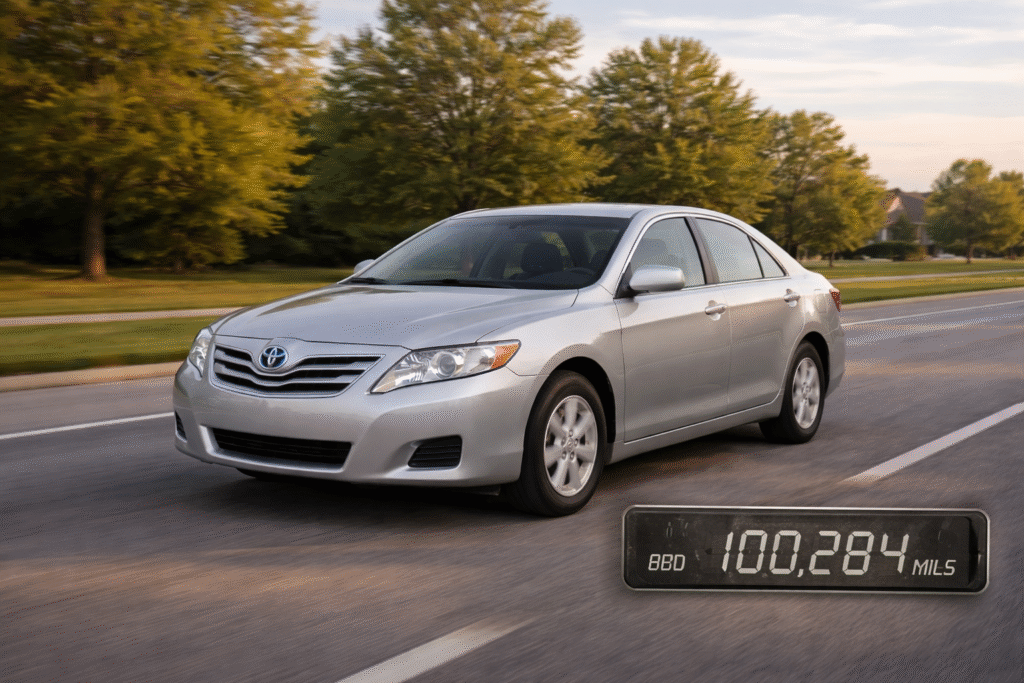
While the engine block itself is rarely the problem, the components bolted to it will eventually reach the end of their service life. When assessing camry problems after 100k miles, you should expect to budget for “wear items” that are often mistaken for major failures.
For a deep dive into specific trouble codes and detailed repair breakdowns, you should check our guide on Toyota Camry Common Problems, but here are the most frequent issues high-mileage owners face.
1. Suspension and Steering Wear
Around the 100k to 120k mark, the original suspension usually gets tired. You might notice the car feels “floaty” on the highway or clunks when going over speed bumps. This is typically due to worn struts and shocks. Control arm bushings also tend to crack around this age. It’s not a safety emergency immediately, but it will ruin your tires if left unchecked.
2. Oil Consumption (Specific Years)
This is the elephant in the room. The 2007–2009 models with the 2.4L engine (2AZ-FE) are notorious for burning oil due to defective piston rings. By the time these cars hit 100,000 miles, some owners report adding a quart of oil every 1,000 miles. Later models (2012+) largely fixed this, but it is something to watch closely on older generations.
3. Water Pumps and Thermostats
The cooling system is critical. Toyota water pumps are durable, but leaks often start developing between 90,000 and 120,000 miles. If you see pink crusty residue around the engine pulleys, that is dried Toyota coolant, and it means your water pump is on its way out.
4. Alternators
Alternators on the Camry generally last a long time, but 120k-140k miles is a common failure point. Dimming headlights or a battery warning light on the dash are the first signs.
5. Hybrid Battery (For Hybrid Models)
If you are looking at a Camry Hybrid, the battery pack life is a major factor. While Toyota hybrid batteries are incredibly durable, they often start showing weakness around 12 to 15 years of age or 150,000 miles. Replacement is an expense you must factor into the purchase price.
At a Glance: Common Failures After 100k
The table below outlines the most common repairs owners face once they cross the century mark.
| Component | Typical Mileage | Symptoms | Urgency |
|---|---|---|---|
| Suspension Struts | 100k – 125k | Bouncy ride, nose-diving when braking, uneven tire wear | Medium |
| Water Pump | 90k – 120k | Coolant leaks (pink crust), overheating, engine noise | High |
| Oxygen (O2) Sensors | 110k – 150k | Check engine light, reduced fuel economy | Low/Medium |
| Serpentine Belt | 100k | Squealing noise on startup, visible cracks in rubber | High |
| Valve Cover Gasket | 120k – 140k | Smell of burning oil, oil visible on engine block | Medium |
| Spark Plugs | 100k – 120k | Rough idle, slight misfire, poor gas mileage | Medium |
What Usually Still Works Fine
Now for the good news. There is a reason toyota camry longevity is legendary. While the rubber and plastic parts wear out, the core of the vehicle is incredibly resilient.
The Transmission
Unlike many competitors (looking at you, Nissan CVTs), the automatic transmissions in the Camry—especially the 6-speed and 8-speed automatics found in models after 2010—are very robust. If the transmission fluid has been changed at least once in its life, these units rarely fail before 200,000 miles.
Note: There is a known “shudder” issue on some 2012–2014 models involving the torque converter, but many were fixed under warranty or via software updates.
Electrical Systems
Toyota tends to use simpler, proven electronics rather than cutting-edge tech that glitches out after five years. You rarely see total electrical failures in high-mileage Camrys. Power windows, door locks, and infotainment screens generally hold up much better than in comparable German or domestic sedans.
Toyota Camry Electrical Problems
Exhaust Systems
Factory stainless steel exhaust systems on modern Camrys are very resistant to rust. Unless the car has lived its entire life in the salt belt (heavy snow areas), the exhaust pipes and mufflers often last the life of the car.
Comparison: Reliability by Generation
Not all Camrys are created equal. If you are shopping for toyota camry high mileage reliability, the model year matters just as much as the mileage. Here is how the generations stack up once they pass 100k miles.
| Generation | Years | Reliability Verdict (100k+) | Major Watch-Outs |
|---|---|---|---|
| 6th Gen | 2007 – 2011 | Mixed | Excessive oil consumption (2.4L engine), sticky dashboards, water pump failures. |
| 7th Gen | 2012 – 2017 | Excellent | Torque converter shudder (early years), AC mold smells. Generally considered the “sweet spot” for used value. |
| 8th Gen | 2018 – Present | Very Good | Transmission shift hesitation (mostly software related), fuel pump recalls. Very reliable powertrain. |
If you want to dig deeper into which specific years have the most complaints, you might want to read about the Worst Toyota Camry Years to Avoid before signing any paperwork.
Maintenance That Matters Most After 100k
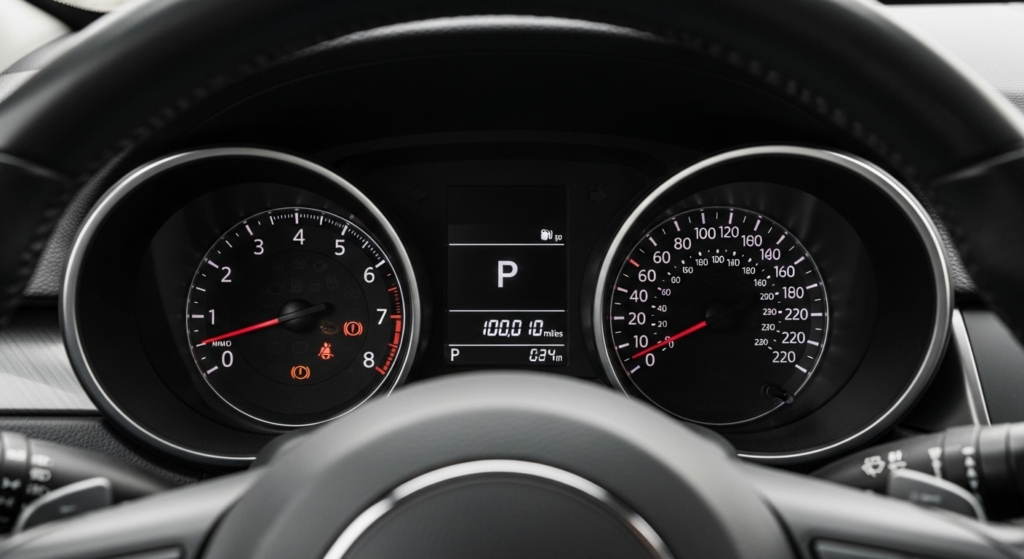
If you want your Camry to reach 200,000 or even 300,000 miles, you cannot treat it like a new car. You have to be proactive. Toyota camry maintenance after 100k requires a shift in strategy.
Toyota Owners
1. The “Lifetime” Fluid Myth
Many manuals claim transmission fluid is “lifetime.” Do not believe this. At 100,000 miles, if the transmission fluid has never been changed, you are in a gray area. If it was changed at 60k, do it again now. Fresh fluid keeps the transmission shifting smoothly and prevents internal wear. The same goes for coolant—old coolant turns acidic and eats gaskets.
2. Spark Plugs and Coils
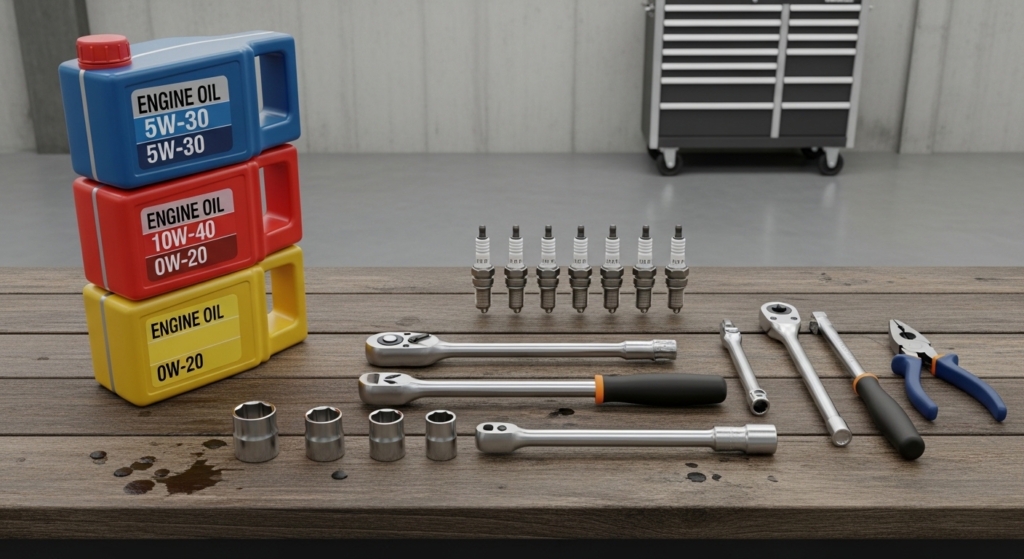
Most modern Camrys use iridium spark plugs rated for 100k to 120k miles. If you haven’t changed them, your engine is working harder than it needs to. Old plugs strain the ignition coils, leading to expensive coil failures later. Swap the plugs now to save the coils.
3. PCV Valve
This is a $10 part that is often ignored. The Positive Crankcase Ventilation (PCV) valve regulates pressure in your engine. If it gets clogged (common after 100k), it can cause oil leaks and sludge buildup. Changing this simple valve is cheap insurance for your engine.
4. Brake Fluid Flush
Brake fluid absorbs moisture over time, which can rust your brake lines from the inside out. A flush is cheap and ensures your braking system remains safe.
Is It Still Worth Buying a Camry with 100k Miles?
The short answer is yes, but the price must be right.
Because of the “Toyota Tax”—the premium people pay for the brand’s reputation—a Camry with 120,000 miles will often cost thousands more than a comparable Chevy Malibu or Ford Fusion. Is it worth the extra money? Usually, yes, because the depreciation curve flattens out.
A Camry bought with 100,000 miles can often be driven for another 50,000 miles and sold for nearly the same price you paid, provided you keep it clean. That is where the real value lies. It’s not just about repairs; it’s about resale value retention.
The Pre-Purchase Checklist
Before you hand over cash for a high-mileage Camry, check these three things:
- Check the Dipstick: Is the oil level low? On a 2007-2011 model, this is a major red flag for oil consumption issues.
- Drive it Cold: Transmission issues often hide when the car is warm. Test drive the car from a cold start and feel for delayed engagement or slipping gears.
- Listen to the Startup: A rattle for the first 1-2 seconds could indicate a VVT-i gear issue (common on some engines) which is an expensive fix.
Frequently Asked Questions
How many miles can a Toyota Camry last?
With proper maintenance, a Toyota Camry can easily last between 200,000 and 300,000 miles. There are many documented cases of Camrys reaching over 300,000 miles on the original engine and transmission.
Is it expensive to maintain a Camry after 100k miles?
Compared to other vehicles, no. While you will have repairs like water pumps or alternators, parts are widely available and affordable. The annual maintenance cost is typically lower than the industry average for midsize sedans.
Does the Camry transmission fail after 100k miles?
Transmission failure is rare on Camrys under 150,000 miles if the fluid has been maintained. The 2012–2014 models had some torque converter shudder issues, but catastrophic failure is uncommon compared to brands that use CVT transmissions.
Toyota Camry Transmission Problems
Which Camry year is most reliable after 100k miles?
The 2015–2017 models (late 7th generation) are widely considered some of the most reliable used cars you can buy. They avoided the oil burning issues of previous years and have a very proven powertrain.
Final Thoughts
Buying or keeping a Toyota Camry with over 100,000 miles is rarely a gamble; it’s a calculated decision. While the car won’t be perfect—suspension parts wear out and sensors fail—the “bones” of the car are built to endure.
If you stick to the recommended maintenance schedule and address noises or leaks when they first appear, there is no reason your Camry cannot provide reliable transportation well past the 200,000-mile mark. It might not be the most exciting car on the road, but at 7:00 AM on a freezing Tuesday morning when you need to get to work, exciting doesn’t matter. Starting every time matters. And that is exactly what a high-mileage Camry does best.